
Cimuning SPBE Fire Destroys 14 Residents' Homes, Bekasi City Government Prepares Assistance
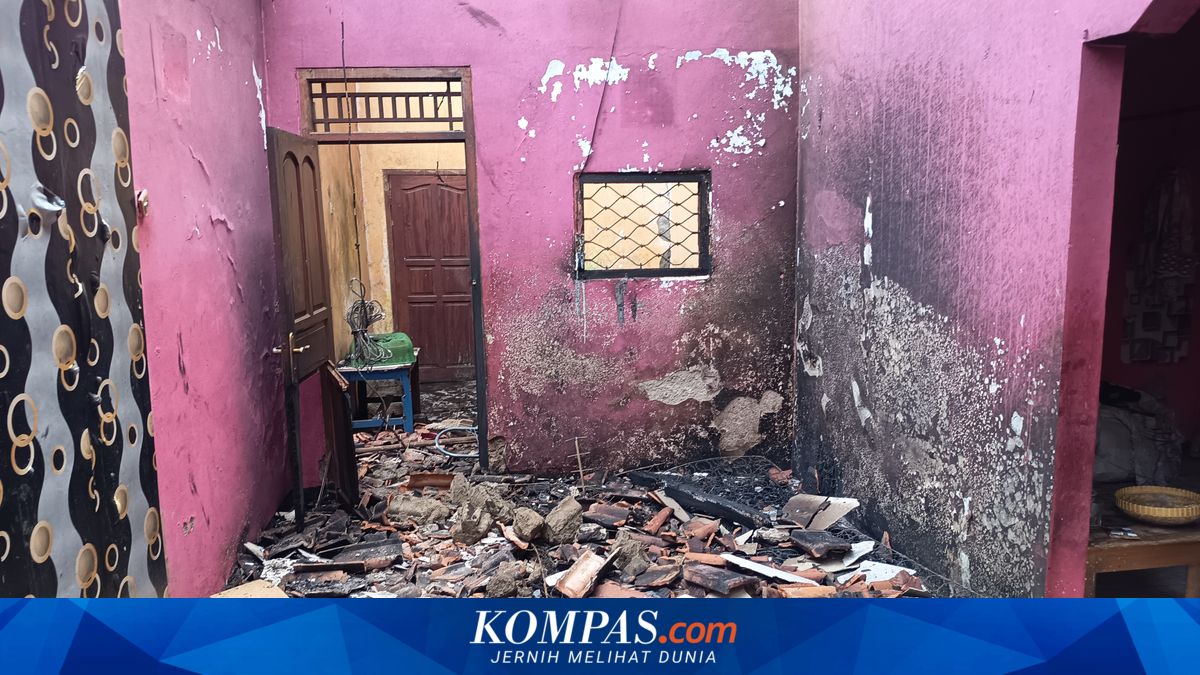
The Bekasi City Government recorded a dozen homes completely destroyed in a fire at the Cimuning Bulk LPG Filling Station (SPBE), Mustikajaya, Bekasi City, on Wednesday night, 1 April 2026. This was stated by Bekasi Deputy Mayor Abdul Harris Bobihoe during his inspection of the fire site on Thursday, 2 April 2026. “Approximately 14 homes were affected, yes. We will try to assess, visit, and survey them,” Harris said when met by journalists at the scene. “And if they are indeed settlements, especially for those who are unable to afford it, it will certainly be covered by the Bekasi City Government,” he added. Meanwhile, based on preliminary data, there are 14 victims who sustained burns, some up to 90 per cent. “There are approximately nearly 14 victims, yes, either from the incident in their own burning homes or those who were passing by on the road and became victims,” Harris explained. He assured that there were no fatalities in the fire incident. The Bekasi City Government will also cover the treatment costs for the victims. “There are none (fatalities). Up to now, no victims have died. Burns are around, some 90 per cent; those with severe burns we immediately send to Type A hospitals, such as Cipto and others, so they receive proper treatment,” he stated. The burnt area is around 2,000 square metres. Preliminary suspicion is due to an electrical short circuit,” said Acting Head of the Bekasi City Fire and Rescue Agency (Disdamkarmat), Heryanto, to the media near the fire location on Thursday, 2 April 2026. As a result of the fire, almost the entire SPBE area suffered heavy damage. According to Heryanto, the fire occurred while the SPBE was operating, thus increasing the risk, including the potential for gas explosions. The extinguishing process faced obstacles because the fire involved gas that required special handling. “Gas like this needs special handling and must be mapped where the fire points are,” he said. Officers had to be extra careful to prevent subsequent explosion potentials, making the handling more complex than a regular fire.