
Cimahi Residents Protest as Decile Changes Cut Them from Social Assistance
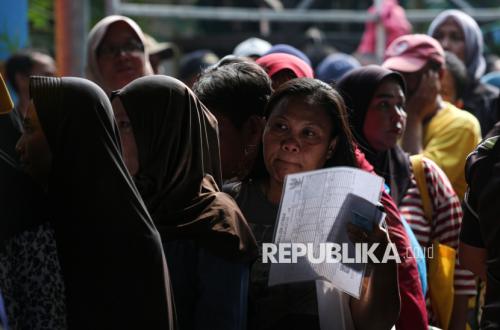
The Social Affairs Agency (Dinsos) of Cimahi City says it has received many complaints from residents about changes to the central government’s welfare classification data, known as deciles. Residents are protesting because they have been removed from the list of aid recipients following the decile changes.
“Many have complained because their decile rose to 6–10, mostly to the sub-district offices. Especially those who previously received aid and now do not. Those who previously did not receive aid and now do are not making a fuss. Some even came to my house; I could only explain and provide education,” said Head of the Cimahi City Social Affairs Agency, Totong Solehudin, when confirmed on Friday (28/8/2026).
He said that, based on its authority, the Social Affairs Agency only accommodates deciles 1–5, or those below the poverty line. Deciles 1–5 are for recipients of Health Insurance Contribution Assistance (PBI JK) funded by the State Budget (APBN), while deciles 1–4 are the categories for recipients of Non-Cash Food Assistance (BPNT), the Family Hope Programme (PKH), and the Smart Indonesia Card (KIP).
“If they come to us, it is because social assistance is linked to social rehabilitation. We only accept deciles 1–5. In short, those who receive social assistance,” he said.
Totong said his agency cannot change, let alone determine, the decile classifications that serve as one of the references for distributing social assistance based on the National Socio-Economic Single Data (DTSEN). In the latest classification set by Statistics Indonesia (BPS), decile 1 is the group with the lowest level of welfare.
Residents can file reports about decile changes through channels prepared by the government, both online and offline. “Now residents can lodge complaints themselves; the channels are open. Offline, they can also come to the sub-district office or service offices such as the Public Service Mall, and they will certainly receive a response. But once again, the regional government cannot determine the classification; that is up to the central government,” Totong stressed.
He continued that, referring to Presidential Instruction (Inpres) Number 4 of 2025, the National Socio-Economic Single Data (DTSEN) serves as the integrated database and main reference for government programmes and is dynamic in nature. The Ministry of Social Affairs, together with BPS and regional governments, carries out updating, verification, and validation of the data periodically every three months.
“So the data is now a single database and dynamic in nature. Our hope is that residents will empower themselves and be able to meet their own needs, so they no longer rely on social assistance that falls within deciles 1–5,” Totong said.