
Cigarette Packaging Standardisation Must Be Finalised Before July for Child Protection
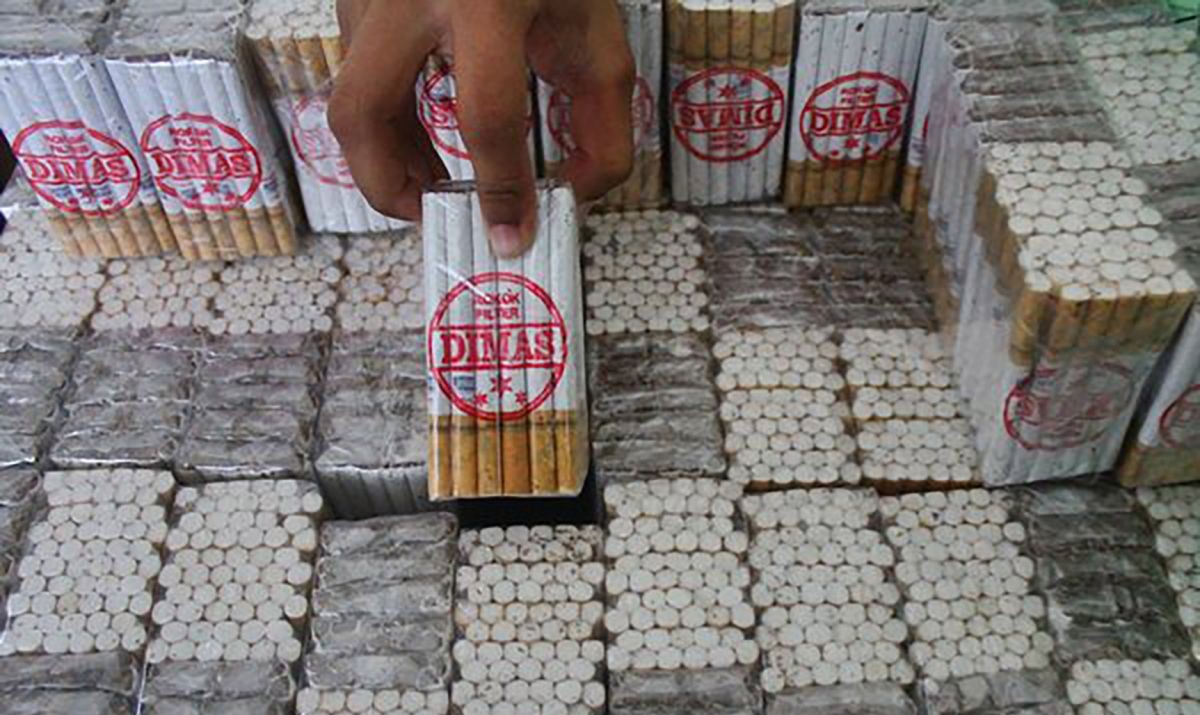
As the July 2026 implementation deadline approaches, the Lentera Anak Foundation has commended the Health Ministry’s commitment to finalising the Draft Minister of Health Regulation (RPMK) on the Inclusion of Health Warnings and Information on Tobacco and Electronic Cigarette Products. One of the core substances regulated in the RPMK is the standardisation of packaging for all tobacco products. This regulation is deemed urgent because the tobacco industry continues to use packaging design as a marketing tool to attract young smokers.
The Chairperson of the Lentera Anak Foundation, Lisda Sundari, stated that the RPMK is a mandate of Government Regulation Number 28 of 2024 on Health and represents a crucial step to protect children from the tobacco industry’s marketing targets. She noted that the industry deliberately designs packaging with specific colours, logos, and shapes to attract new consumers, especially young people, and to build brand loyalty.
Packaging standardisation is not a standalone policy. It aims to reduce the appeal of tobacco products, strengthen the effectiveness of pictorial health warnings, and limit the use of packaging as a promotional medium aimed at children and adolescents. “Cigarette packaging is also used to promote flavours in tobacco products, such as fruit, drink, and candy flavours, to create the impression of a lighter product that is increasingly attractive to young people,” Lisda said in a statement on Thursday (11/6).
Colourful and attractively designed packaging is not merely a product wrapper but a promotional tool designed to attract potential new consumers—children and teenagers—who are ironically the group most vulnerable to the tobacco industry’s marketing strategies. With such massive marketing efforts, it is not surprising that the prevalence of young smokers in Indonesia continues to rise. Data from the 2023 Indonesian Health Survey reveals that smokers in the country generally start at school age, with 65.5 percent beginning between 15 and 19 years old, and 18.4 percent between 10 and 14 years old.
According to Lisda, various international studies show that standardised packaging can reduce the appeal of tobacco products, increase the effectiveness of health warnings, and help prevent smoking initiation among children and adolescents. Under the draft regulation being prepared by the Health Ministry, packaging for tobacco and electronic cigarette products will use uniform colours and feature pictorial health warnings (PHW) covering 50 percent of the surface. The foundation hopes the RPMK can be ratified soon, given the approaching deadline.
Lisda emphasised that objections to packaging standardisation and the 50 percent PHW must not override public health interests, particularly child protection. “The remaining time is very short. Every delay means more children continue to be exposed to tobacco product marketing. Completing the RPMK will be an important investment to protect Indonesia’s young generation from nicotine addiction and long-term health impacts,” she asserted.
However, the proposed standardisation has faced strong opposition. The Regent of Situbondo, Yusuf Rio Wahyu Prayogo, has asked the government to cancel discussions on implementing plain packaging. The policy has been deemed to violate constitutional rights by limiting information on legally circulated products. Commission IX of the House of Representatives has pledged to maximise its oversight function to ensure tobacco control policies remain proportional. The Indonesian Employers’ Association (Apindo) has also highlighted potential impacts on intellectual property rights, particularly concerning trademark values, and warned that standardised packaging could suppress the legal tobacco industry while fuelling the circulation of illegal cigarettes.