
Cianjur Regency Says Subsidised Fertiliser Stocks Secure Until March 2027
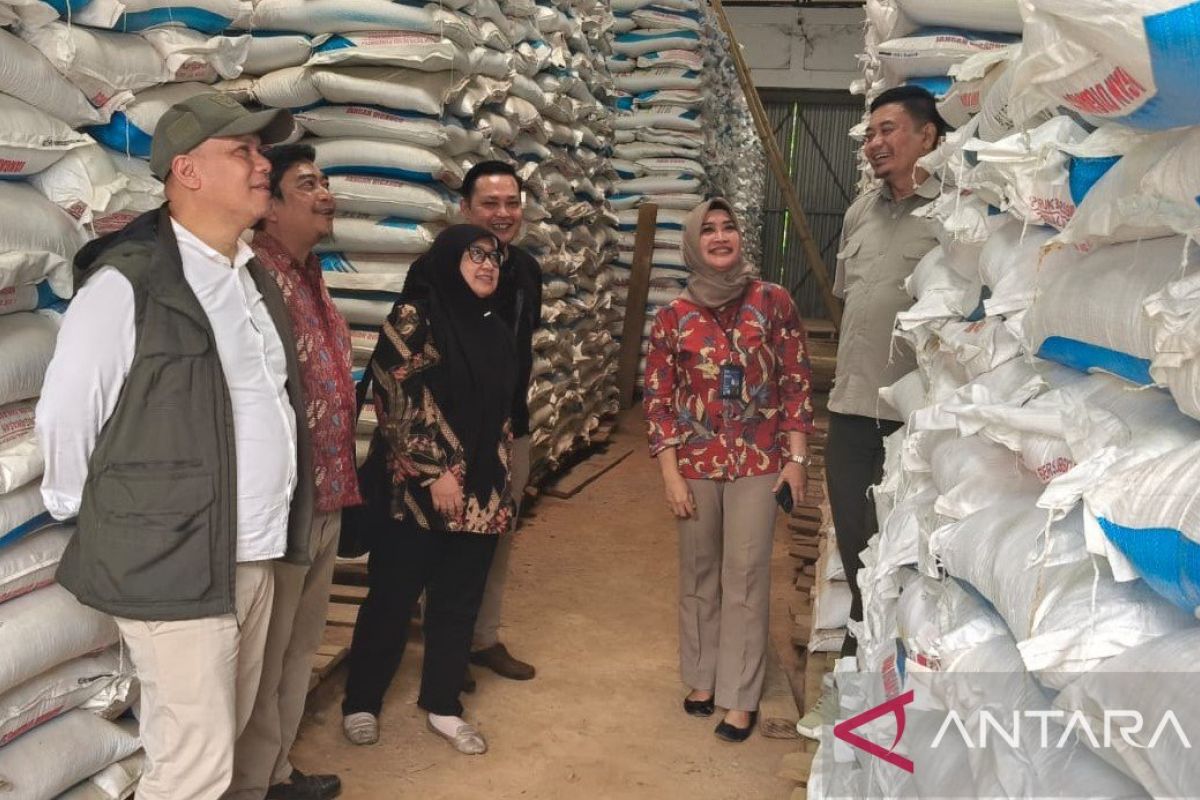
Cianjur, West Java (ANTARA) — The Cianjur Regency Government has confirmed that stocks of various types of subsidised fertiliser in the regency are sufficient to meet farmers’ needs for the first planting season, from October 2026 to March 2027.
Acting head of the Cianjur Food Crops, Horticulture and Plantation Agency (DTPHP), Wahyu Ginanjar, said in Cianjur on Tuesday that the three Level III warehouses held a total of 4,271 tonnes of urea and 3,982 tonnes of NPK fertiliser.
The agency recorded a 2026 subsidised fertiliser allocation for Cianjur farmers of 42,348 tonnes of urea, 37,000 tonnes of NPK and four tonnes of organic fertiliser. Registered farmers need only present their identity cards to purchase the fertiliser.
“We have inspected the Level III warehouses in Bojong and Pasirhayam, Cianjur, together with agency staff and agricultural extension workers, to confirm stock readiness and strengthen coordination with PT Pupuk Indonesia,” he said.
Stock availability is an important factor in ensuring a smooth planting season, and PT Pupuk Indonesia has maintained its readiness to supply subsidised fertiliser in Cianjur Regency.
Warehouse supplies must be matched by targeted distribution to eligible farmers. The inspection found that fertiliser was available and ready to support farmers’ needs, particularly for the first planting season.
The agency urged farmers to contact agricultural extension workers or the agricultural service UPTD for information about their allocations and redemption schedules. The Cianjur Regency Government will continue to strengthen coordination with relevant parties, including PT Pupuk Indonesia.
“We will also continue working with distribution businesses, Fertiliser Recipients at Delivery Points (PPTS), agricultural extension workers and farmers to ensure fertiliser is distributed in accordance with the rules and reaches the right recipients,” he said.
Farmers were also asked to redeem fertiliser according to their needs and assigned allocations under the increasingly straightforward system. Monitoring, oversight and coordination of distribution will continue down to the farmer level.
“Subsidised fertiliser availability can help farmers increase agricultural productivity and strengthen regional food security, thereby improving farmers’ livelihoods,” he said.