
Cianjur faces shortage of 1,100 primary and junior secondary school teachers
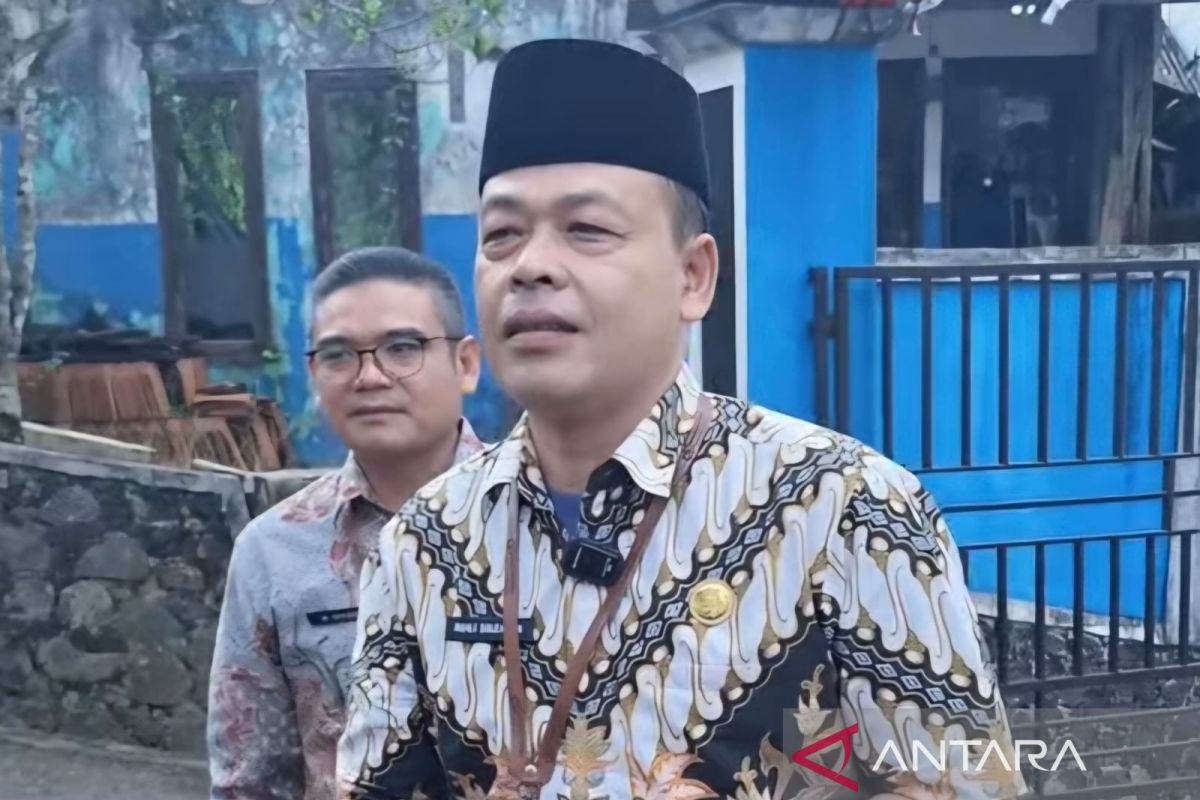
The Education, Youth and Sports Office (Disdikpora) of Cianjur Regency has recorded a shortage of around 1,100 teachers for primary school (SD) and junior secondary school (SMP) levels, necessitating a mapping exercise to address the gap. Head of Disdikpora Cianjur Ruhli Solehudin stated on Tuesday that the current number of teachers stands at 11,000, comprising State Civil Apparatus (ASN) statuses from Civil Servants (PNS) to Government Employees with Work Agreements (PPPK). Despite this relatively high figure, there remains a shortfall of about 10 per cent, particularly in schools in the southern region which lack between two and four teachers each, a deficit influenced by several factors. “The most significant factor is the high number of retirements, deaths, or transfers to other areas, so overall we still require additional teaching and education staff,” Ruhli said. He explained that the appointment of PNS and PPPK currently requires specific regulations, and his office is coordinating with the Personnel and Human Resources Development Agency (BKPSDM) and the Organisation Division to submit the required needs. His office has asked all educational units to empower existing staff within their environments, as the appointment of ASN is the central government’s authority, while the region can only map and submit requests according to need. The current teacher shortage is impacting the optimisation of teaching and learning activities (KBM), which are not running as they should, and is disrupting the maintenance of quality and standards in educational units. “We cannot appoint honorary staff, yet in the field, educators are urgently needed because at any time there are retirements, deaths, and transfers, so there must be a solution from the regional to the central government,” Ruhli said. In addition to the teacher shortage exceeding a thousand, he added, his office is also struggling to meet the target of repairing over a thousand damaged classrooms due to the minimal annual budget from the Regional Budget (APBD). He revealed that various efforts are being made, including seeking funds from the provincial and central governments, and through companies operating in Cianjur, to channel assistance in the form of classroom construction in nearby areas.