
Cianjur Civil Servants' Work-from-Home Results Every Thursday: Electricity Savings
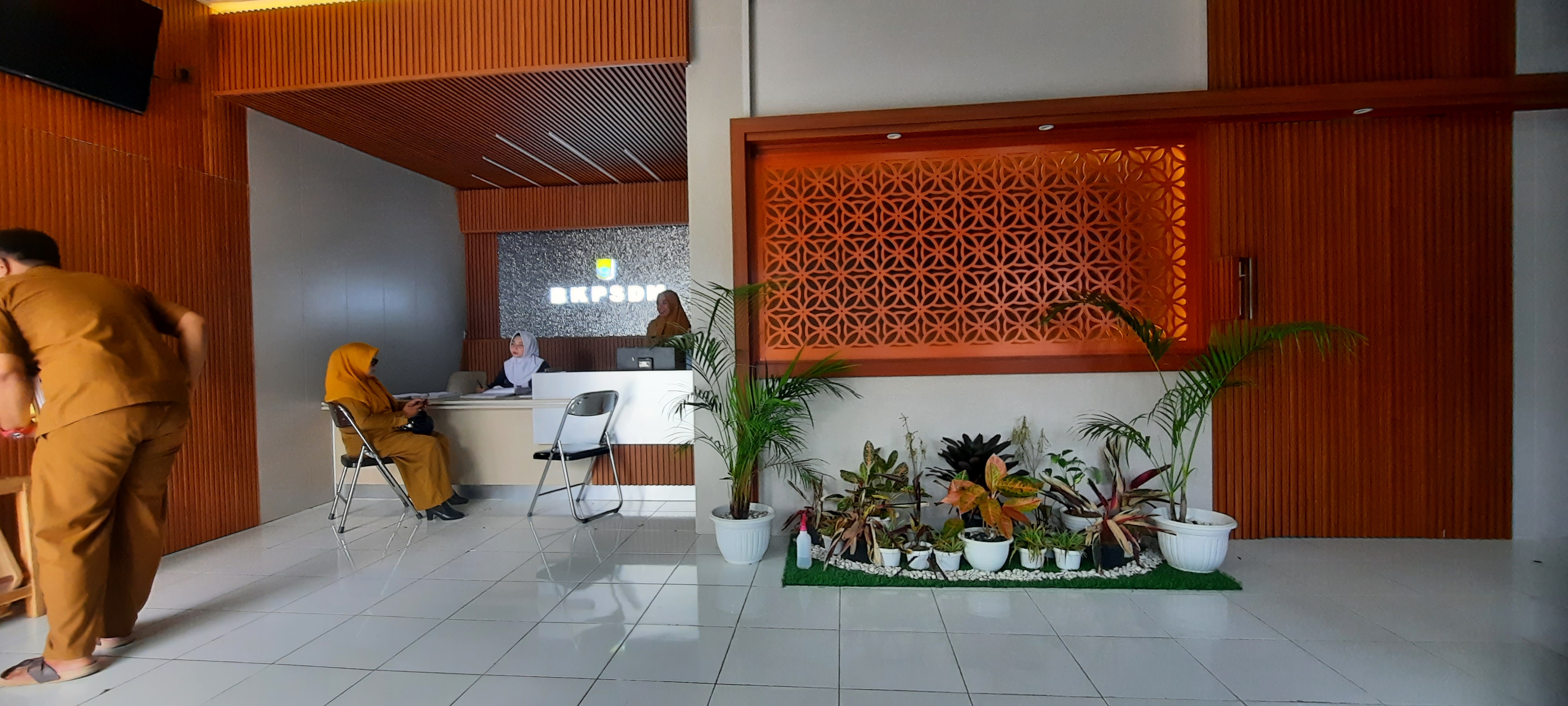
A work-from-home (WFH) system for civil servants (ASN) has been in place in Cianjur Regency, West Java, for the past two months. The implementation of this working system has proven quite effective, including in saving energy consumption.
The Head of the Personnel and Human Resources Development Agency of Cianjur Regency, Akos Koswara, stated that since February 2026, the WFH policy for ASN within the regency government has been applied. However, the policy applies only to ASN not directly serving the public.
“Since February, we have actually implemented WFH every Thursday. But that does not mean they are not working, as attendance is still required. They just work from home without reducing the existence of services,” said Akos on Monday, 30 March 2026.
For ASN who work directly serving the public, Akos said, the WFH system policy does not apply comprehensively. For example, in hospitals, the Civil Registry Office (Disdukcapil), and other public service agencies.
“But that will be rotated as well. So, in agencies that serve the public directly, the rotational WFH policy for ASN is arranged by each respective leader. They will manage it,” Akos explained.
Akos noted that the implementation of WFH has had a considerable impact on energy reduction. One of them is a decrease in electricity usage of around 20%.
“We have evaluated it, and the implementation of WFH has resulted in quite significant savings. One of them is savings in electricity energy usage. For example, at the BKPSDM, there was a savings of about 20% in electricity,” he stated.
The positive impacts of the WFH implementation, Akos said, have been formally conveyed to the regional head. Based on the evaluation results, agencies that have contributed significantly to energy savings include those under the Regional Secretariat (Setda) and the Health Office.
“Alhamdulillah, at least with WFH, there can be an impact on electricity energy savings, and even fuel (petrol) usage,” he concluded.