
Chung Ho-yong, Key Figure in Gwangju Coup and Suppression, Passes Away
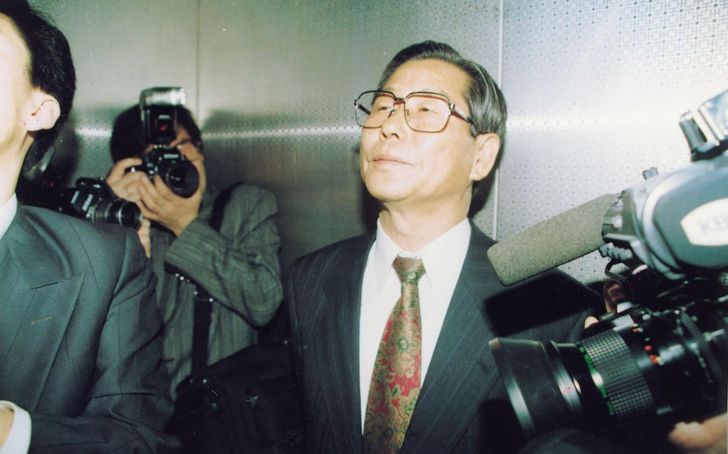
Former South Korean Defence Minister Chung Ho-yong, who was convicted for his role in the suppression of the Gwangju Democratisation Movement in 1980, passed away on Sunday (13/9) local time, the Korea Times reported on Monday (13/9). He was 94 years old.
Chung’s death closes the opportunity to demand direct accountability from one of the key figures of the military group that seized power following the assassination of President Park Chung-hee in 1979. His passing means that answers regarding Gwangju are buried with him.
Chung was the last surviving member of the five main figures known as South Korea’s ‘new military’ group. This group was the force behind the power seizure led by Chun Doo-hwan following the military coup of 12 December 1979.
Born in Daegu in 1932, Chung graduated from the 11th class of the Korea Military Academy alongside Chun Doo-hwan and Roh Tae-woo, who later became President of South Korea.
In addition to Chung, three other figures considered primary leaders of the group were former Army Chief of Staff Lee Hee-sung, former Army Vice Chief of Staff Hwang Young-si, and Roh Tae-woo.
Chung participated in the 12 December 1979 coup, after which his career flourished. He served as Army Chief of Staff and Minister of Defence during the Chun administration in the Fifth Republic era. He also served as a member of parliament.
Political shifts occurred after Kim Young-sam became president. His administration conducted a massive review of the 12 December coup and the military operations used to suppress the pro-democracy movement in Gwangju in May 1980.
During the Gwangju Democratisation Movement, Chung served as the commander of the Army Special Warfare Command. He was subsequently indicted for his involvement in the military operations used to suppress the movement.
In 1997, the Supreme Court of South Korea upheld Chung’s conviction, sentencing him to seven years in prison.
However, Chung never admitted responsibility or apologised for his actions. When the May 18 Democratisation Movement Truth Commission sought his testimony, he refused to participate in direct interviews.
Chung chose to provide written statements instead. In those statements, he maintained that he was not involved in the suppression in Gwangju.
With his death, the chance to obtain direct answers regarding the role of one of the primary figures of the ‘new military’ group in the Gwangju suppression has once again vanished.
Chung’s death also closes one avenue for demanding recognition and an apology from a figure who had undergone legal proceedings for his involvement in the events.
Chung’s funeral altar was established at Ajou University Hospital in Suwon, Gyeonggi Province.
Source: jawawa.id (https://jawawa.id/newsitem/chung-ho-yong-key-figure-in-gwangju-coup-and-suppression-passes-away-1789361689)
Originally published by Media Indonesia (https://mediaindonesia.com/internasional/933141/chung-ho-yong-tokoh-kudeta-dan-penumpasan-gwangju-meninggal), translated from Indonesian