
Chronology of Mass Poisoning of Unair Specialist Doctor Residents, Suspected to be from Rendang Side Dish
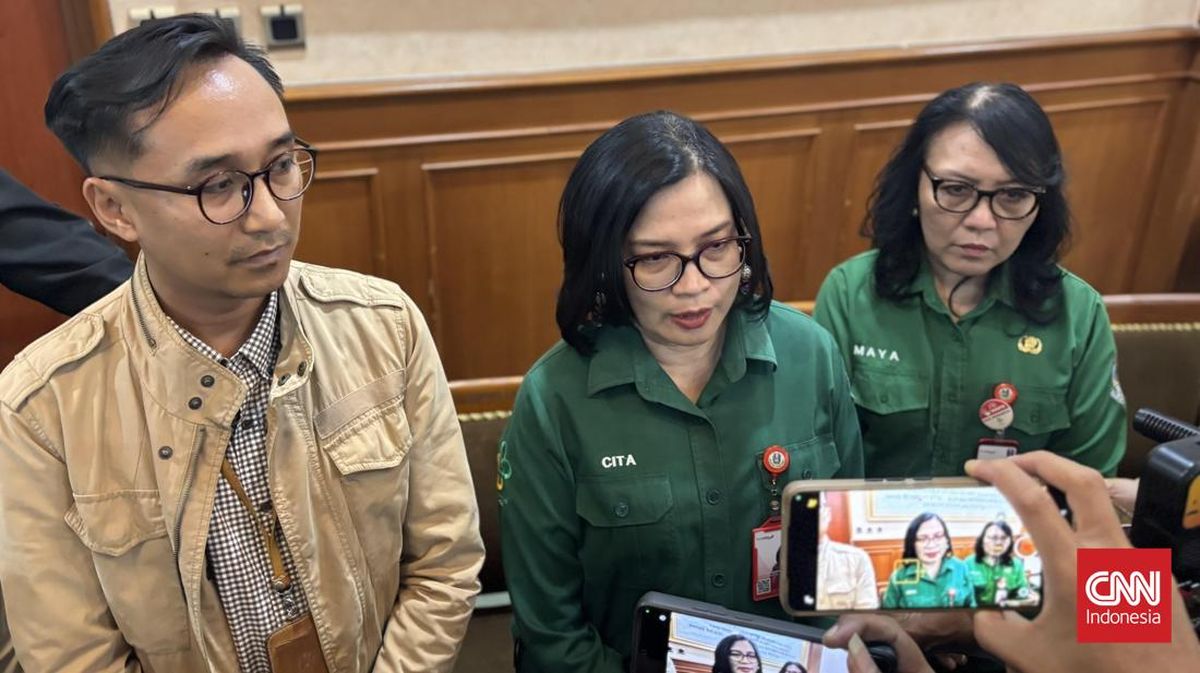
A total of 178 people have been reported to suffer from food poisoning after consuming lunch boxes during a Pre-education (Pradik) activity for the Specialist Doctor Education Programme (PPDS) at the Airlangga University Faculty of Medicine (FK Unair) at Dr Soetomo Hospital on Monday (28/9).
The Head of Education and Training at Dr Soetomo Hospital, Dr Astindari, detailed the chronology of the mass poisoning incident, from the arrival of the food orders to the onset of symptoms among participants at the Integrated Diagnostic Centre (GPDT) building.
“The lunch boxes arrived at 09:00 WIB and were delivered from the Faculty of Medicine to the 2nd floor of the GPDUT. Then, at 09:15 WIB, they were moved to the 7th floor of the GPDT, where the event was being held,” said Astindari during a press conference at Dr Soetomo Hospital on Tuesday (29/9).
Subsequently, at 09:30 WIB, the lunch boxes were arranged on tables in the GPDT hall. At 11:30 WIB, the boxes were distributed to participants and consumed during the break following that time.
“The symptoms experienced by the specialist doctor residents had an onset of approximately 30 minutes to 4 hours after consuming the food,” Astindari added.
The Director of Dr Soetomo Hospital, Prof Dr Cita Rosita Sigit Prakoeswa, revealed field findings suggesting that the cause of the poisoning points towards the beef rendang side dish served in the lunch boxes.
“The menu, if I am not mistaken, included boiled eggs, vegetables, pickles, and meat. Specifically, rendang,” Cita stated at the same location.
The suspicion regarding the rendang menu, according to Cita, is based on reports that vegetarian participants who did not consume meat remained safe from poisoning symptoms.
“Those who are vegetarian, eating only eggs and vegetables, were safe. It might be due to the processing, but we certainly cannot be certain before the laboratory results are available. So, it is only a suspicion,” said Cita.
Nevertheless, Cita noted that the hospital had not received detailed reports from participants regarding the rendang meat having an unpleasant smell or being spoiled at the time of consumption.
“The residents did not report [the condition of the food during the event], but the friends who ate eggs and vegetables were safe. So, it is a possibility,” she said.
While the preliminary suspicion points strongly towards the rendang dish, Dr Soetomo Hospital emphasised that they do not wish to rush to conclusions. Medical certainty regarding the primary trigger for the poisoning of hundreds of prospective specialist doctors and hospital employees is entirely dependent on laboratory test results.
Dr Soetomo Hospital confirmed that they have sent the remaining food from the lunch boxes, as well as specimens directly from the affected patients, to several authorised laboratories, including the East Java Regional Police Forensic Laboratory (Puslabfor), the Public Health Laboratory (Labkesmas), and the Food and Drug Authority (BPOM).
“But of course, we cannot be certain at this time; we are waiting for the laboratory results,” she noted.
The number of victims of the suspected mass poisoning during the Pre-education activity for the Specialist Doctor Education Programme (PPDS) at the Airlangga University Faculty of Medicine has increased. According to the latest data, the total number of victims has reached 178 people, consisting of prospective specialist doctors and cleaning staff at Dr Soetomo Hospital.