
Chocolate Gold: A New Asset for Sustainable Economic Diversification in East Kutai
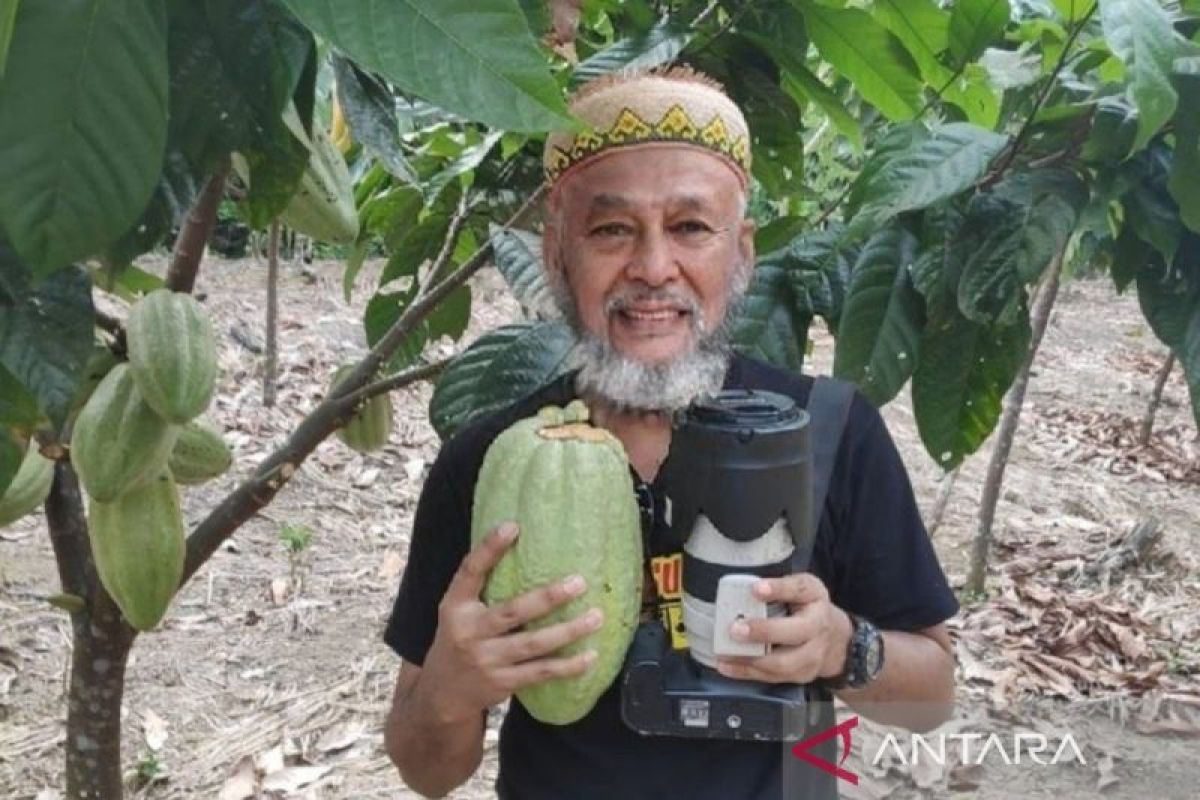
For decades, the name East Kutai in East Kalimantan has been inseparable from the shadow of coal mining and oil palm plantations. These two commodities have long been the backbone of regional income and the livelihood source for most of its residents. Behind the roar of industrial activity, another potential has long grown fertile in its soil but has not been optimally tapped. Now, new hope is blooming, bringing fresh air for a more diverse and sustainable regional economic future. A new historical milestone was recorded on Wednesday, 17 June 2026, in the courtyard of the East Kutai Regent’s Office. Regent Ardiansyah Sulaiman, before regional officials, provincial government representatives, council members, as well as farmers and entrepreneurs, officiated the inaugural shipment of fermented cocoa beans from Karangan District. A fleet of trucks fully loaded with the superior product departed for a company in Bandung, West Java, one of the country’s leading food processing industries. This journey is not merely an ordinary goods delivery, but a symbol of major success in the region’s economic diversification and downstreaming efforts — from black gold (coal) to chocolate gold (cocoa). The inaugural shipment transported 12 tonnes of premium quality fermented cocoa beans to Bandung. The selling price ranges from Rp38,000 to Rp42,000 per kilogram, 35–40 per cent higher than ordinary dried beans. Going forward, a volume increase is planned to between 25 tonnes and 30 tonnes per month starting in the second half of 2026, with all parties hoping the partnership project runs smoothly. Karangan District has long been known as one of the largest cocoa-producing centres in East Kutai. In almost every corner of its villages, cocoa trees grow lushly under the shade of other trees, becoming a hereditary source of livelihood for thousands of farming families. However, the harvests were generally sold only as raw dried beans, with prices heavily dependent on global market fluctuations, leaving farmers’ incomes often uncertain and tending to be low. The main challenge has been inconsistent quality. Cocoa beans without further processing have very limited selling value, and when market prices plummet, farmers immediately feel the impact. This condition prompted the local government to move further, not only helping farmers plant and care for their crops but also assisting them in processing the harvest to achieve higher competitiveness. The key to quality improvement lies in one crucial stage rarely applied correctly before: the fermentation process. This is not ordinary drying, but a natural stage where cocoa beans are left wrapped in their pulp for several days under controlled conditions. This process triggers chemical reactions inside the beans, eliminating the sharp bitter taste and bringing out the various aromas and characteristic chocolate flavours sought by the food and beverage industry. Karangan Subdistrict Head Muhammad Reza Pahlevi, familiarly called Levi, explained that this change in processing methods did not happen overnight. It took time, technical assistance, and patience to change the farmers’ old habits, with the correct fermentation technique only introduced over the last two years. Initially, many were doubtful, fearing the beans would be damaged or unsellable. But once they saw the results — the taste was different and the price was better — their enthusiasm grew on its own.