
Chip Giant Falters Despite Massive Profits: Here Are the Reasons
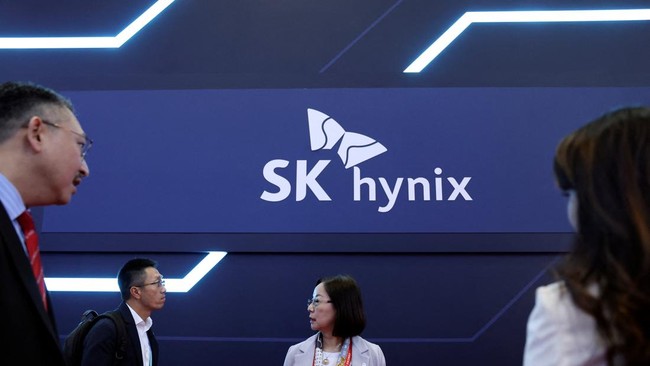
South Korean chip giant SK Hynix has recorded a sharp surge in quarterly profits, hitting new records. However, this exceptionally strong financial performance failed to meet investor expectations, triggering a massive sell-off in the market.
SK Hynix shares closed down 9.6% during Wednesday’s trading, while the benchmark KOSPI index also fell by 6%. This decline occurred as investors began to worry that massive spending on artificial intelligence infrastructure by tech giants might be slowing down.
To mitigate the impact of highly volatile demand cycles, SK Hynix is accelerating efforts to secure long-term supply contracts. The Nvidia supplier recorded a quarterly operating profit that surged more than sixfold to a record high. However, SK Hynix revealed that delivery delays for several advanced products limited the price increases of DRAM memory chips, which constitute its core business.
Lee Min-hee, an analyst at BNK Investment & Securities, stated that the market is concerned about the potential slowdown in AI infrastructure spending by technology companies. “There are concerns that tech companies will take a pause in infrastructure spending,” Lee said, as reported by Reuters.
Investor sentiment was also pressured because SK Hynix has not yet detailed plans to distribute the benefits of the AI boom through increased shareholder returns. Furthermore, the long-term contract strategy is viewed as potentially limiting the upside for memory prices.
Although its shares have lost more than half of their value since reaching a record high last month, SK Hynix’s stock has still recorded an increase of approximately 115% so far this year.
Despite the sell-off, SK Hynix maintains that demand for AI memory chips remains strong. SK Hynix President Song Hyun-jong stated that major customers continue to request additional memory supplies. He also noted that the company is pursuing more long-term supply agreements to manage chip price volatility.
“Major customers are still requesting more memory supplies,” Song said during the earnings presentation. This move is an attempt by the chip manufacturer to convert the current AI demand surge into long-term demand certainty, amidst fears that AI infrastructure spending may eventually slow down.
The long-term contracts offered by SK Hynix generally last five years and include financial protections, such as down payments, to guarantee contract execution. The company stated it has finalised discussions on approximately 10 such contracts and is continuing negotiations with other major industry players.
Concerns regarding the ability of hyperscaler companies—such as Microsoft, Alphabet, Amazon, Meta Platforms, and Oracle—to finance hundreds of billions of US dollars in AI infrastructure investments have pressured global chip stocks in recent weeks.
Nevertheless, SK Hynix remains optimistic about demand prospects. The company plans to increase capital expenditure this year to the high 40 trillion won range, up from 30.2 trillion won in 2025. SK Hynix also dismissed concerns that capacity expansion would trigger an oversupply, stating that it will adjust investments according to market demand conditions.
“As big tech companies increase AI infrastructure investment, the demand for additional supply continues to rise. Because these investments are supported by revenue from AI services, the momentum for memory demand is expected to continue,” the company stated.