
Chinese Smartphones Fail to Sell, Retailers Scramble to Adapt
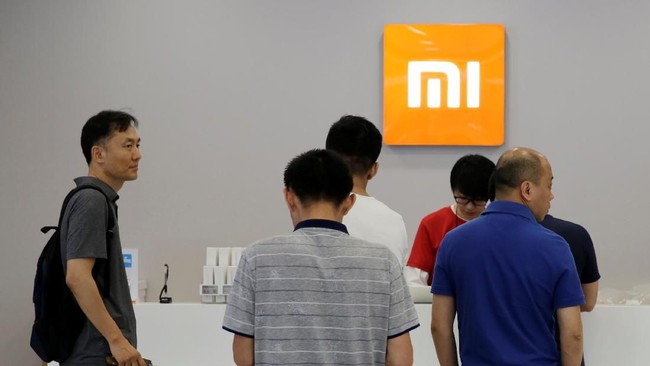
Jakarta, CNBC Indonesia - Xiaomi bets big on artificial intelligence (AI), allocating over 60 billion yuan (approximately £6.5 billion) over the next three years.
The Chinese firm is pouring significant resources into open-source models to ensure its future smartphones and electric vehicles (EVs) do not fall behind in an AI-driven market.
Xiaomi’s efforts are bearing fruit. Its latest AI model, MiMo-V2.5-Pro, launched last month, tops global rankings in the ‘agentic capabilities’ category by Artificial Analysis. This refers to AI systems capable of autonomously executing complex tasks with minimal human intervention.
This achievement has drawn significant attention, as Xiaomi only began releasing open-source AI models around a year ago but is now closely competing with major Chinese AI players such as DeepSeek and Moonshot AI.
Canalys analyst Hayden Hou stated that AI has become the most critical factor for consumer technology companies.
He added that Xiaomi is not aiming to become a pure AI company, but its AI readiness will enable it to quickly launch new products when opportunities for AI and hardware integration arise.
This strategy aligns with Xiaomi CEO Lei Jun’s vision of a ‘Human × Car × Home’ ecosystem, where all devices—from smartphones to home appliances and vehicles—are interconnected.
This approach marks a significant shift for Xiaomi. For years, the company has been compared to Apple, but it is now outpacing the US tech giant in two key areas where Apple lags: AI and electric vehicles.
While Apple’s car project remains unrealised and Apple Intelligence has yet to make a significant market impact, Xiaomi has surged ahead in the EV sector.
In early 2024, Xiaomi launched its first electric sedan, the SU7, featuring premium design and software integration within its ecosystem.
One of its standout features is connectivity with wearable devices such as smart glasses to display navigation without constant dashboard monitoring.
The results are evident: Xiaomi shipped over 410,000 vehicles last year, including the YU7 SUV—a sharp increase from previous figures.
Beyond EVs and AI, Xiaomi is bolstering its technological foundation with in-house chips.
The XRing O1 chip is now used in premium devices such as the Xiaomi 15S Pro and Xiaomi Pad 7 Ultra.
Xiaomi claims the 3-nanometer chip contains 19 billion transistors, matching Apple’s A18 chip density and outperforming it in several benchmarks.
However, this aggressive expansion carries risks. Xiaomi plans to increase its R&D spending to 200 billion yuan over the next five years—almost double the previous period.
Analysts view Xiaomi’s substantial moves in AI, EVs, and chips as a necessary long-term strategy to survive in the tech industry.
Source: jawawa.id (https://jawawa.id/newsitem/chinese-smartphones-fail-to-sell-retailers-scramble-to-adapt-1779913316)
Originally published by CNBC Indonesia (https://www.cnbcindonesia.com/tech/20260526172905-37-738218/hp-china-tidak-laku-pedagang-smartphone-langsung-putar-otak), translated from Indonesian