
Chinese Smartphone Brands Sink as Global Shipments Plunge, Vendors Struggle
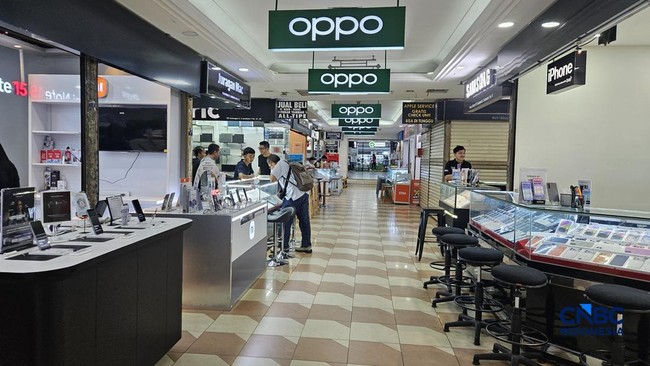
The global smartphone market faced severe headwinds in the second quarter of 2026, with overall shipments plunging 11% year-on-year, according to research firm Counterpoint. This marks the deepest decline for a second quarter since 2013. A key factor behind the slump is a memory chip shortage, driven by surging demand from artificial intelligence data centres. The hardest hit were Chinese manufacturers Xiaomi, Oppo, and Vivo, all of which recorded double-digit declines in shipment volumes compared to the same period last year. The downturn is largely attributed to the rising cost of key components, particularly memory chips, which has triggered extreme market volatility and eroded purchasing power in the entry-level and mid-range segments that form the core of these brands’ customer base. Consumers are delaying purchases, opting for older, cheaper models, or extending the life of their current devices. To mitigate the damage, Xiaomi streamlined its product portfolio and relaxed financing terms for retailers, helping it maintain third place globally with a 12% market share, though this was down from 14% a year earlier. The company did see growth in its premium segment, driven by the Redmi Note 15, Redmi K90, and Xiaomi 17 flagship series. Oppo and Vivo followed in fourth and fifth place with 11% and 8% market share respectively, both hampered by weak demand and component supply constraints that pushed their prices out of reach for core consumers. Counterpoint Senior Analyst Shilpi Jain described the situation as a perfect storm, citing geopolitical tensions in the Middle East that increased logistics and oil prices, alongside a global economic slowdown and record-low consumer sentiment. Facing these pressures, manufacturers are split between raising prices to protect margins and delaying new launches while discounting older stock. The research firm projects a challenging remainder of 2026, with annual shipments expected to fall by 14%, and the memory chip shortage unlikely to ease before 2027. In contrast, Samsung and Apple strengthened their dominance. Samsung expanded its market share to 24%, driven by strong performance in India and the Middle East and high demand for its Galaxy S26 Ultra. Apple secured second place with a 20% share, up from 17% a year earlier, buoyed by robust iPhone 17 shipments and its ability to prioritise components for its premium ecosystem, insulating it from the crisis affecting its Chinese rivals.