
Chinese Scientists Develop High-Protein Maize for Animal Feed
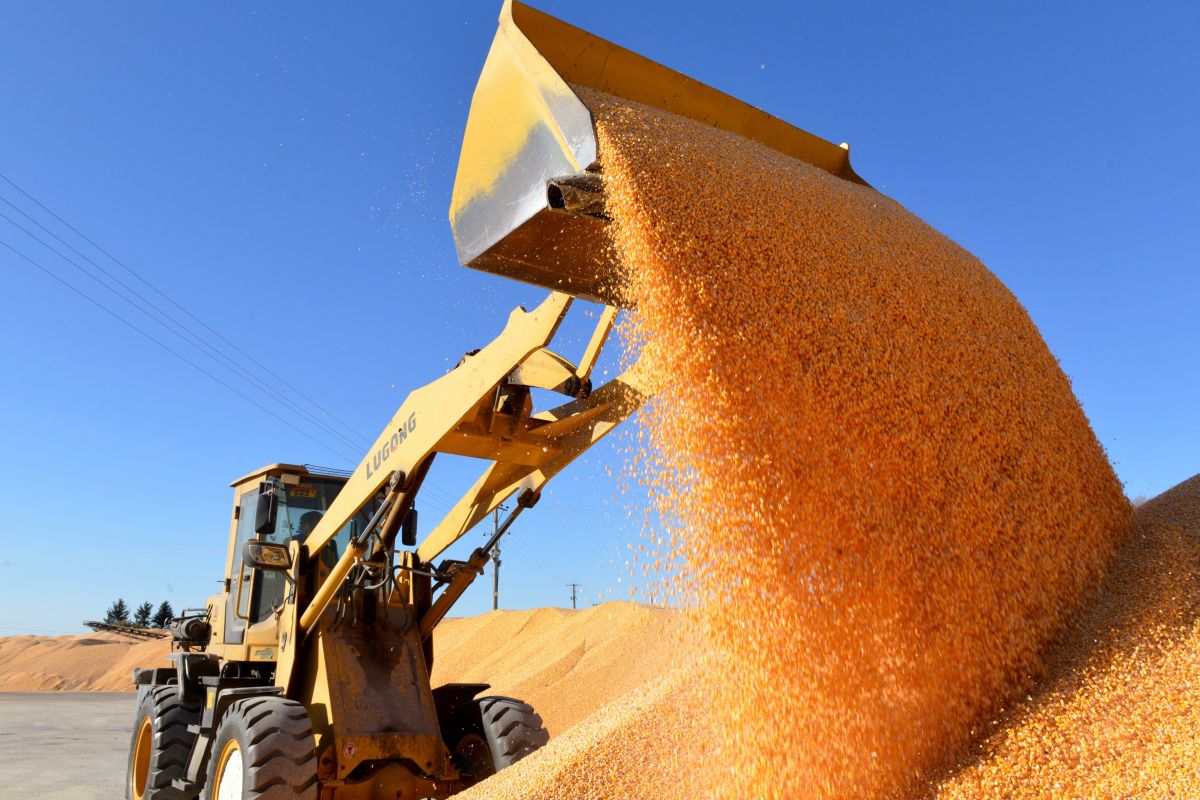
Scientists in China have identified two key genes responsible for high protein content in maize and successfully developed high-protein varieties, offering a promising solution to the country’s animal feed protein shortage.
Maize is China’s largest grain commodity by production volume. However, the protein content of common maize is low, at only around 8 per cent, leading to heavy dependence on imported soybean meal as a protein source for livestock, said Wu Yongrui, Deputy Director of the Center for Excellence in Molecular Plant Sciences (CEMPS) at the Chinese Academy of Sciences (CAS).
In 2025, China’s soybean imports exceeded 100 million tonnes. Increasing the protein content of maize by just one percentage point would be equivalent to the protein contained in approximately 8 million tonnes of imported soybeans, Wu noted.
Therefore, developing high-protein maize to replace imported soybean meal in animal feed is a promising tactic to address China’s feed protein shortage. However, for a long time, breeding efforts lacked access to superior high-protein genes, Wu stated.
Research found that wild maize has a protein level as high as 30 per cent, but after more than 9,000 years of domestication and modern breeding, most of those genes have been ‘lost’ in contemporary varieties due to the absence of targeted selection for protein content, according to Wu.
In 2022, a research team led by Wu identified the first high-protein gene, THP9-T, from wild maize, achieving an initial increase in protein content for major domestic maize varieties. However, further breakthroughs in enhancing maize protein content remained a significant challenge.
Through continuous efforts, the research team successfully identified a second high-protein gene, THP3-T. Multi-year field trials across various locations showed that this gene can increase maize kernel protein content from 10 per cent to over 13 per cent in inbred lines without damaging yield, whilst also increasing protein content throughout the whole plant and allowing maize to grow well and remain protein-rich with less fertiliser use, Wu said.
Further research revealed that combining THP3-T and THP9-T produces an unprecedented synergistic effect, increasing kernel protein content in inbred lines from 10 per cent to 15 per cent—far exceeding the impact of each gene individually.
‘This research not only finds the ’key puzzle piece’ for high-protein maize breeding, but also offers new possibilities for quality improvement and precision genetic refinement in modern maize,’ said Wu.
The team used marker-assisted breeding technology to precisely improve more than 80 parental lines of major maize cultivars in China, raising their protein content to over 14 per cent.
The team also successfully increased the kernel protein content of Zhengdan958, the most widely cultivated maize hybrid in China, from 8.5 per cent to over 12 per cent.
Wu stated that China produces about 300 million tonnes of maize annually. If the protein content of maize used for animal feed nationwide were increased by four percentage points to more than 12 per cent, the total additional protein produced would be equivalent to more than 30 million tonnes of imported soybeans, roughly equal to 30 per cent of current soybean imports.
‘This achievement has significant socio-economic value. It can drastically reduce feed costs, enhance the economic benefits of the livestock industry, and through widespread adoption, significantly increase farmers’ incomes,’ said Han Bin, director of CEMPS and CAS academician.
The findings were published online on Wednesday in the academic journal Nature.