
Chinese Research Urges Global Study of WWII Medical Atrocities
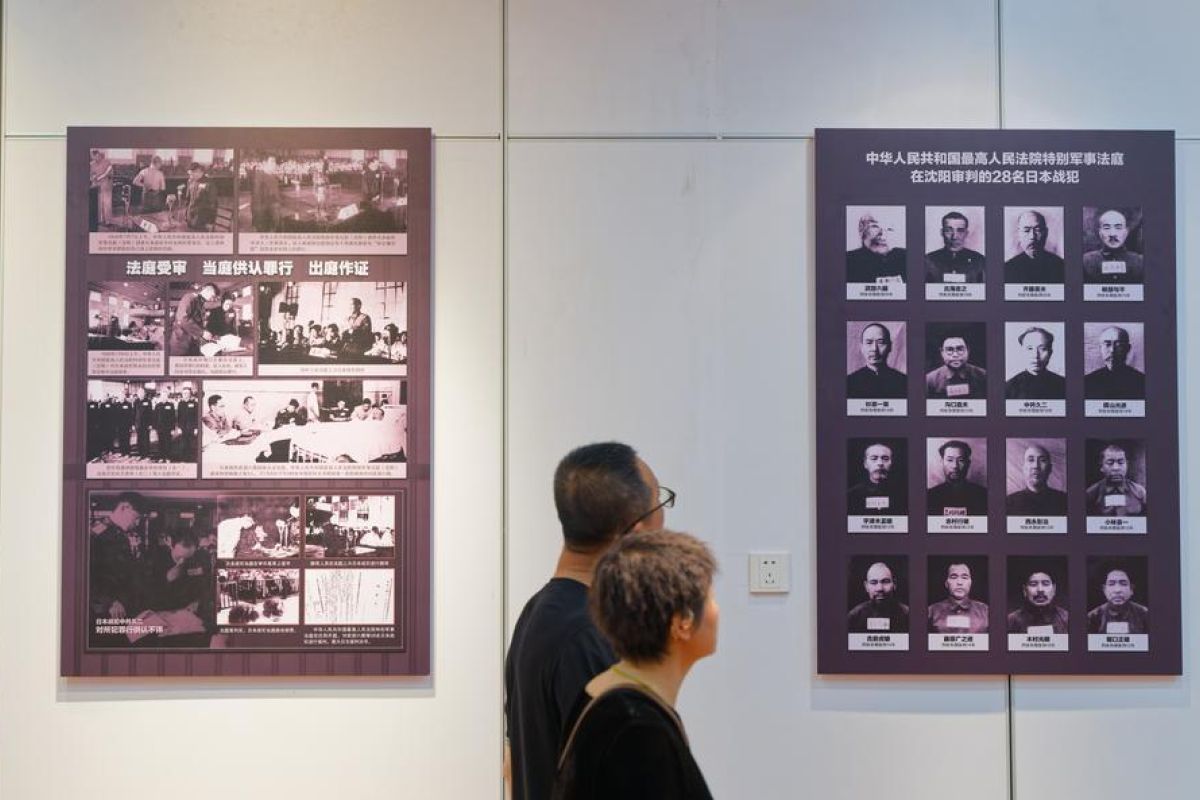
A recently published study urges academics worldwide to acknowledge and seriously examine new research findings concerning Unit 731, Japan’s notorious biological warfare unit during World War II, to enhance historical understanding and prevent similar tragedies. The study, titled ‘Global research on Unit 731 medical atrocities: from the 1950s to the 2020s’, was published in the international journal Medical History. It was co-authored by scholars from the Exhibition Hall of Evidences of Crime Committed by Unit 731 of the Japanese Imperial Army in Harbin, northeast China, and the University of Toronto. Unit 731 served as a top-secret biological and chemical warfare research base, where at least 3,000 people were subjected to human experimentation, and more than 300,000 people across China were killed by Japanese biological weapons. Yang Yanjun, a researcher at the exhibition hall and corresponding author of the paper, described Unit 731 as a classic example of the degeneration of medicine during war. He stated that it is crucial for academics, politicians, and the global public to remember, document, understand, and reflect upon these events. However, the study notes that over the past 80 years since the war ended, awareness of the medical atrocities committed by Unit 731 remains relatively low outside of China and Japan. Drawing on a wide range of sources, including published research, historical documents, and news reports from China, Japan, South Korea, the United States, and European countries, the study provides a comprehensive overview of the unit’s medical crimes, responsibilities, and post-war impact. It also observes a declining interest in Unit 731 research among Japanese academics in recent years, possibly due to a diminishing number of senior scholars and persistent social reluctance to reflect on the country’s wartime history. The study concludes that further research is needed on the historical understanding, post-war impact, post-war reflection, and ecological effects of Unit 731, and that much Chinese research continues to be ignored by the international academic community. Yang noted that while the international community has extensively studied the Nuremberg Doctors’ Trial and Nazi Germany’s medical crimes, awareness of Japan’s wartime medical atrocities remains insufficient. He called on academics worldwide to enhance the rigour and objectivity of studies on Unit 731’s medical crimes and to help foster a correct historical understanding within the international community.
Source: jawawa.id (https://jawawa.id/newsitem/chinese-research-urges-global-study-of-wwii-medical-atrocities-1783702363)
Originally published by Antara (Indonesian) (https://www.antaranews.com/berita/5644831/penelitian-china-dorong-studi-tentang-kekejaman-medis-pd-ii), translated from Indonesian