
Chinese NEV Cars Offer Operational Cost Efficiency
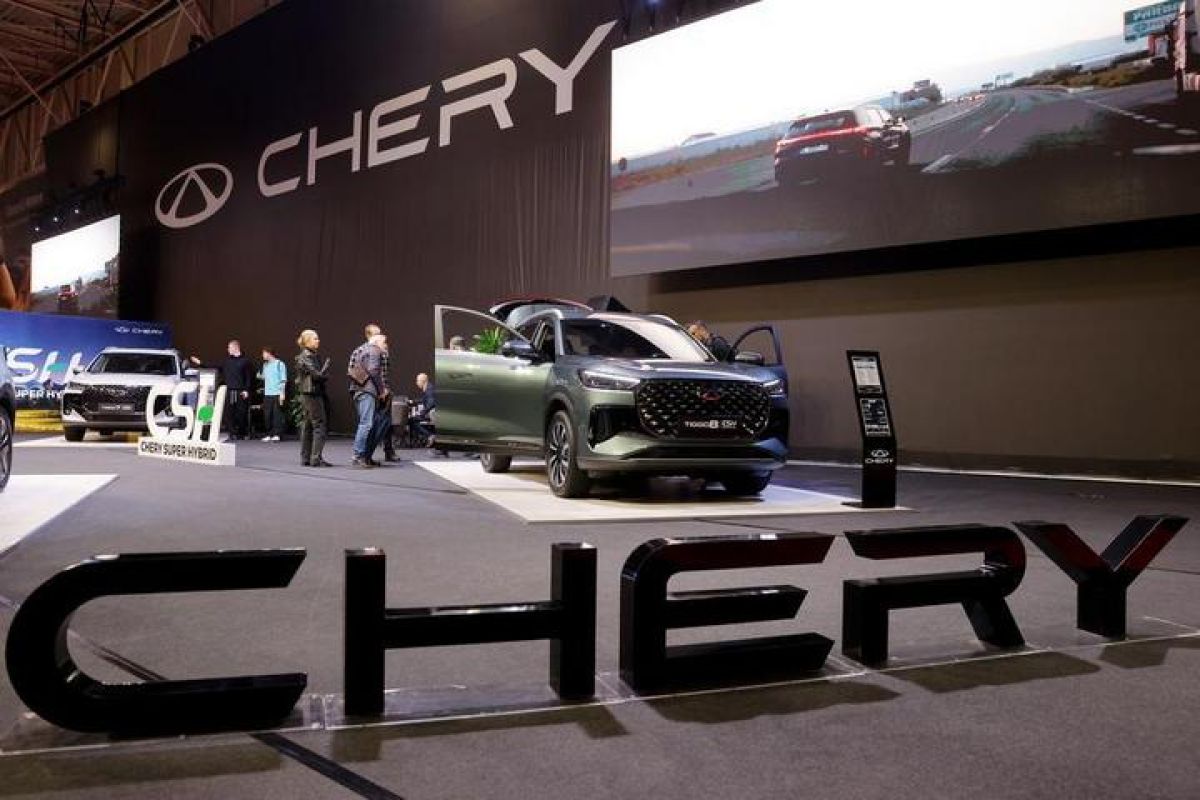
Several Chinese brands are offering their new energy vehicle line-ups, both pure electric and hybrid, as alternatives with more affordable operational costs following the recent increase in non-subsidised fuel prices.
“Through the Chery Super Hybrid, we want to demonstrate that efficiency and flexibility can go hand in hand. Consumers do not need to choose between a fuel-efficient vehicle and one capable of supporting various travel needs. We are delivering technology that allows both to be present in a single driving experience,” said Vice Country Director of Chery Business Unit, Budi Darmawan Jantania, in a statement.
Chery Indonesia claims its two flagship hybrid cars, the Tiggo 8 CSH and Tiggo 9 CSH, offer highly affordable daily operational costs. In a recent simulation, a daily round trip of 40 kilometres required less than Rp14,000 when the vehicle was run entirely in electric mode.
For longer out-of-town journeys, the cost required is less than Rp160,000 for a 240-kilometre trip. The cost can drop by up to half if the vehicle is run entirely in electric mode, provided the driver recharges periodically during the journey so the car does not use petrol at all.
In a simulation of usage up to 1,200 kilometres per month, the total energy cost for the Tiggo 8 CSH is estimated at around Rp568,909, while the Tiggo 9 CSH is around Rp392,199. These figures are far cheaper than the cost of a conventional petrol vehicle, which would generally exceed Rp1 million.
Meanwhile, iCAR, Chery’s sub-brand for electric vehicles, claims energy cost savings from using its electric vehicles can reach Rp1 million per month. In a simulation conducted by the company recently, the semi-off-road electric SUV iCAR V23 Y RWD required a charging cost of only Rp153,000 per month, assuming a daily journey of 30 kilometres in urban traffic conditions. By comparison, a petrol-engine vehicle with an average consumption of 12 km per litre requires a cost of around Rp1.2 million per month to cover the same distance.
“Interestingly, these savings can be enjoyed without sacrificing the attributes that have long been the appeal of an SUV. Users still get a distinctive design, the high driving position typical of an SUV, an enjoyable driving experience, and the modification flexibility that is one of the iCAR V23’s advantages over many other electric vehicles,” said Product Planning Manager of iCAR Indonesia, Tommy Hermansyah.