
Chinese Matcha Brings Freshness to Indonesia's Tea Beverage Trend
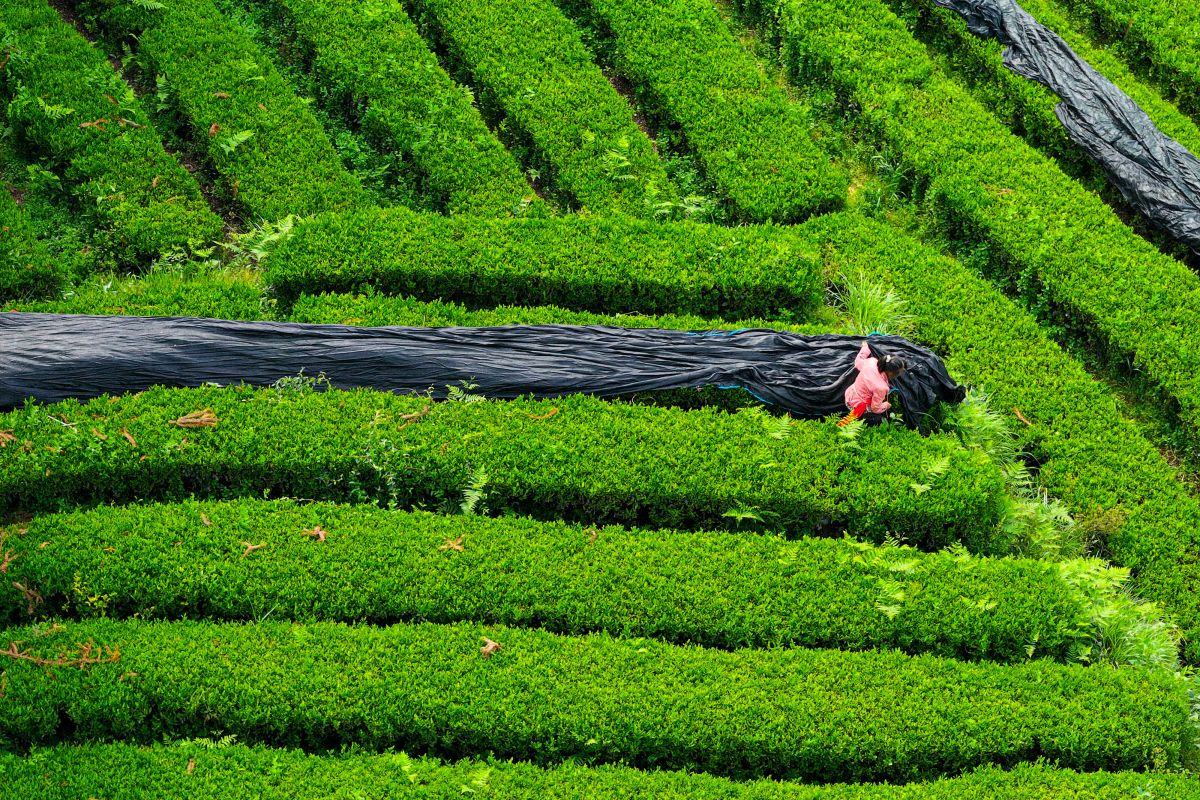
In Indonesia, cafes and tea shops are increasingly adding matcha to their menus. Behind this growing trend are high-quality tea plantations in southwest China. “Indonesian consumers enjoy matcha’s smooth texture, fresh aroma, and vibrant green colour,” says Rusdi Zhang, an Indonesian food and beverage raw material supplier. “Many cafe owners also note that this matcha delivers consistent results, whether served hot or cold.”
Zhang’s company supplies raw materials to cafes, milk tea chains, restaurants, and beverage producers across Indonesia. He explains that as the local beverage industry grows rapidly, more health-conscious young consumers are pushing for greater transparency in ingredient sourcing.
Notably, matcha from Guizhou province in southwest China has obtained halal certification, meeting the needs of Indonesia’s majority Muslim population and ensuring safety for both cafes and end consumers.
The Indonesian distributor first met Gui Tea Group, a leading Chinese matcha producer based in Guizhou, at a trade show in 2024. Since then, both parties have maintained communication and exchanges.
Guizhou’s high-altitude tea plantations, with low latitude and frequent mist, produce matcha with a bright green hue and rich, fresh flavour. Each batch undergoes over 500 pesticide residue tests to ensure levels of contaminants and heavy metals are below regulatory limits, and the product is halal-certified.
Stable, high quality has driven rapid market growth. Gui Tea Group exported less than 10 tonnes of matcha to Indonesia in 2024, a figure that surged to over 60 tonnes in 2025—a more than fivefold increase.
Beyond supplying raw materials, the Chinese partner also adapts to Indonesian consumer taste preferences through recipe adjustments and product application training. This helps local beverage businesses reduce R&D barriers, enabling faster new product launches.
Zhang states that besides pure matcha, his company develops matcha-based beverage and food recipes for customers, provides samples, and blends varying quality grades to suit local tastes.
“Matcha is no longer a niche product. It has become part of Indonesia’s mainstream beverage trend,” Zhang said.
“As consumer understanding of matcha quality improves, demand for premium, high-grade matcha is likely to strengthen further in Indonesia,” he added.
In Guizhou province, an integrated industrial chain connects Gui Tea Group, local farmers, and partner companies. Farmers focus on tea cultivation, partner companies handle initial processing, while Gui Tea Group manages advanced production. This model ensures uniform farming standards, consistent matcha quality, and full traceability.
From Guizhou’s mountain tea plantations in China to cups in Indonesian cafes, this Chinese green touch delivers a new taste experience and healthier choices for Indonesian consumers.