
Chinese Handset Shipments Slump as Apple's iPhone Bucks Global Downturn
The global smartphone industry faced significant headwinds in the second quarter of 2026. A recent report from research firm Counterpoint indicates an 11% year-on-year decline in global smartphone shipments, with a sharp drop in shipments from Chinese manufacturers acting as a major drag on overall industry growth. This dynamic was primarily triggered by supply constraints and price adjustments for key components, especially memory chips (RAM/DRAM), amid the rapid development and resource allocation for artificial intelligence (AI) infrastructure. Rising production costs have forced manufacturers to adjust their marketing strategies, with the impact felt most acutely in the entry-level to mid-range segments, which Chinese producers have traditionally relied upon to reach a broad consumer base.
Senior Counterpoint Analyst Shilpi Jain explained that rising component costs triggered price adjustments at the consumer level, which ultimately affected demand in the affordable and mid-range phone segments. Manufacturers such as Xiaomi, Oppo, and Vivo recorded a decline in shipment volumes in Q2 2026 compared to the same period last year. Despite this, certain product lines, such as flagship series and popular models, continued to strive to maintain competitiveness amidst the challenging market conditions.
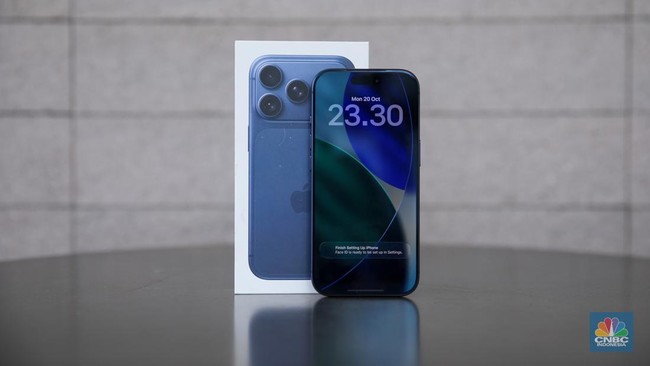
In contrast, Apple Inc.’s decision not to raise the selling price of the iPhone has proven highly successful. The Cupertino-based technology giant is projected to record its strongest quarterly sales growth in five years. However, investors are now beginning to worry and question how long Apple can hold off the global wave of rising component costs. Apple had previously raised the prices of its iPad and MacBook lines last month to offset soaring production costs caused by a shortage of memory and storage chips. Uniquely, Apple chose to protect its main cash cow, the iPhone, a strategy that stands in stark contrast to its competitors who were forced to pass the swelling component costs onto consumers. The domino effect of this saw global smartphone shipments in the April-June period correct to their lowest level in 13 years.
Apple’s bold strategy appears to be working. According to Counterpoint Research estimates, iPhone shipments actually jumped 3% during the period, with the company’s global market share creeping up to nearly 20%. Furthermore, Apple’s decision not to aggressively pour hundreds of billions of dollars into building dedicated AI data centres has provided positive sentiment, officially allowing it to reclaim the title of the world’s most valuable company from Nvidia. This comes amid mounting investor doubts about the return on investment (ROI) from the AI boom. Apple’s shares have recorded a fantastic 25% increase year-to-date, a performance that briefly pushed its market capitalisation past the historic record of US$5 trillion during trading on Tuesday (28/7/2026), far outperforming the other ‘Magnificent Seven’ tech giants.
Dan Morgan, Portfolio Manager at Synovus Trust, noted that Apple was initially mocked by many investors for being considered left behind in the AI investment cycle. Now, however, it is reaping the rewards as the market begins to question the correlation between Big Tech’s giant capital expenditure (capex) and its investment returns. By comparison, Alphabet (Google’s parent company) shocked the market last week after reporting negative free cash flow for the first time in its corporate history due to high AI capex.
Based on consensus data compiled by LSEG, Apple is expected to post a 15.5% revenue surge to US$108.65 billion for the April-June period, marking the strongest fiscal Q3 sales growth rate since 2021. iPhone sales alone are projected to skyrocket by 20.8% during this period. Meanwhile, the Mac computer line is estimated to grow 8.7% (up from 5.7% in the previous quarter) despite its price increase, while iPad growth is predicted to slow to 5.2%. Despite this, analysts expect Apple will not hold iPhone prices much longer. Dan Morgan projects that Apple will make a price adjustment when it launches the latest iPhone line this September. However, analysts from Morgan Stanley are optimistic that consumer loyalty and Apple’s strong ecosystem will mitigate the negative impact of the planned price increase, stating that demand for Apple’s core products is relatively inelastic, with the iPhone being the product least sensitive to price changes within the ecosystem.