
Chinese EV Makers Shift from Exports to Local Manufacturing in Global Push
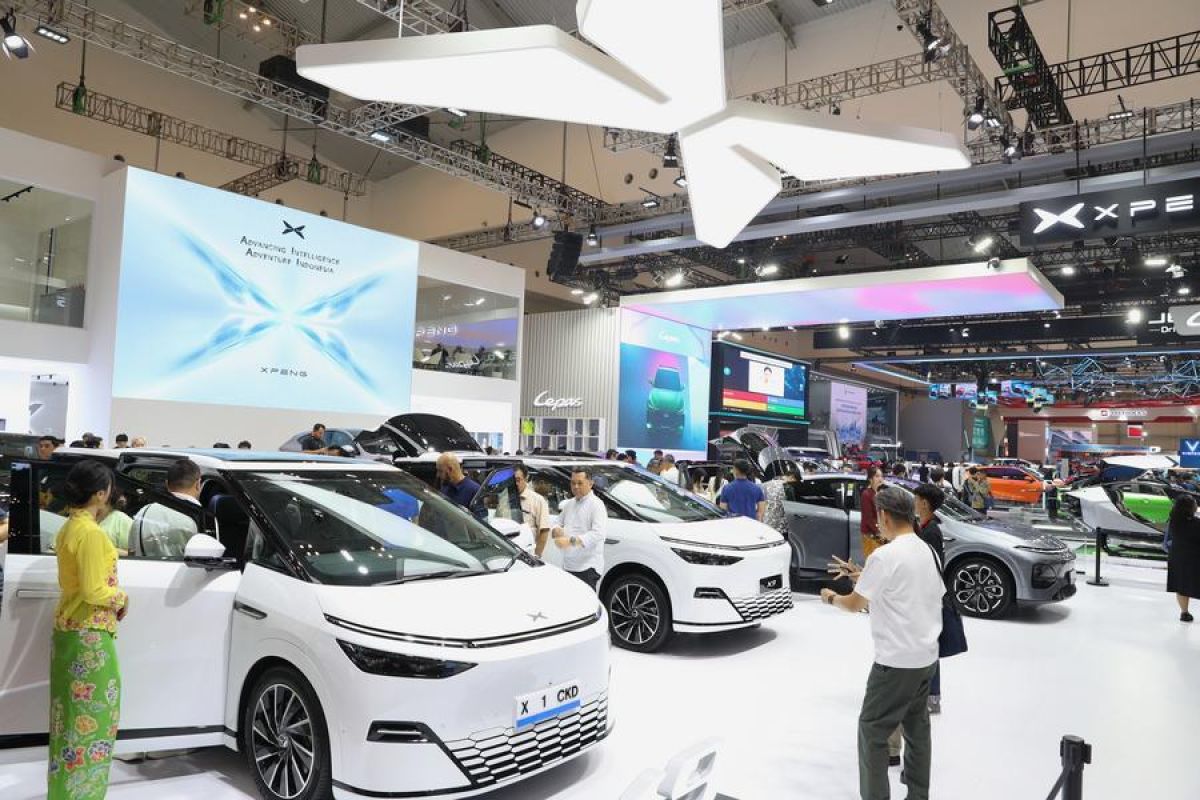
At major Chinese ports, electric vehicles (EVs) are being loaded onto car carriers bound for destinations worldwide. However, for China’s new energy vehicle (NEV) industry, exports are no longer the final goal, but merely the first step. As the world’s largest NEV exporter, China is optimising its global cooperation strategy by shifting focus from product exports towards localised operations and ecosystem-based co-development. For many countries, this transition will bring more than just affordable EVs. It will also deliver new investment, local jobs, and a faster path to their own green transition.
According to official data from the China Association of Automobile Manufacturers (CAAM), China exported 2.615 million NEVs in 2025, a 103.7 per cent year-on-year (yoy) increase. In the first half of 2026, NEV exports reached 2.355 million units, up 120 per cent yoy. NEVs have become the primary driver of the country’s export growth. Chinese EVs are now seen not just as a cheap alternative, but as strong competitors in terms of performance, smart features, and design.
Chinese EV maker XPENG Motors delivered over 45,000 vehicles to overseas markets in 2025, up 96 per cent yoy. Europe accounted for nearly half of that total, while the Asia-Pacific region recorded strong growth. In March 2026, the company launched a three-year plan to expand into Latin American markets by 2028. GAC Group, which views overseas markets as a key growth driver, exported 121,500 vehicles under its own brands in H1 2026, a 132 per cent yoy surge. The company is targeting exports of 250,000 units in 2026 and 1 million units by 2030, with market coverage spanning 120 countries and regions.
For leading Chinese automakers like BYD, GAC, and XPENG, their ambitions go beyond merely increasing sales volumes. They are shifting from product exports towards technology licensing, local manufacturing, and strong brand building to create a more sustainable and integrated global expansion model. BYD has licensed its e-platform 3.0 to Toyota and its Blade battery technology to Hyundai, while seven ASEAN countries have adopted the company’s EV charging standards. These technology-sharing deals not only help global automakers accelerate their EV research and development cycles but also promote the adoption of industry standards that benefit regional automotive markets. Echoing BYD, XPENG has also supplied its second-generation autonomous driving system and self-developed Turing AI chip to Volkswagen for global deployment.
Modernly designed brand experience centres from BYD, GAC, and XPENG have now appeared in commercial districts across Europe, Southeast Asia, and the Middle East. The presence of these centres is simultaneously changing the old perception of Chinese cars as ‘cheap and low-spec’ products. These companies have also established service centres and regional spare parts warehouses in key markets, cutting repair times and reducing maintenance costs for overseas consumers. Beyond building brand image, Chinese automakers are also seeking to engage in local community activities abroad. In February this year, GAC Mexico joined the Mexican Electric Mobility Association to support EV adoption and infrastructure development.
CAAM Deputy Secretary-General Chen Shihua attributed the surge in China’s NEV exports to a resilient supply chain, economies of scale, and the rapid iteration of smart features such as autonomous driving technology and intelligent cabin interaction. ‘These advantages continuously enhance product competitiveness and help products adapt to the needs of overseas users,’ Shihua said.