
Chinese Electric Vehicles Dominate Indonesian Market, Reshaping Automotive Landscape
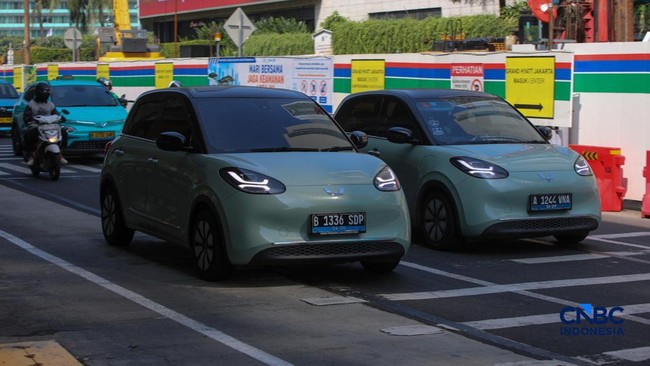
Electric vehicles with sporty designs for young people, featuring dynamic body curves, futuristic interiors, and powerful performance, are beginning to dominate Indonesia. The electric vehicle trend is now not only about energy efficiency, but also about appearance and lifestyle. Throughout January to June 2026, electric vehicle sales in Indonesia reached 69,739 units, contributing approximately 16% to total national car sales in the first half of the year.
Many automotive manufacturers, especially from China, are presenting sporty-designed electric vehicles for young people with dynamic body curves, futuristic interiors, and powerful performance. With modern styling, capable performance, and elegant looks, a range of sporty-designed electric vehicles for young people could be worth considering. Of the 10 best-selling electric vehicles in June 2026, 8 were Chinese brands.
This situation is triggering a shift in the automotive industry map, where a number of Japanese brand dealerships have chosen to cease operations or switch to other brands. The Jaecoo J5 emerged as the best-selling brand in June 2026, with 3,041 units sold, followed by the BYD Atto 1 with 2,249 units.
The Hyundai Ioniq 5 is one of the most popular electric vehicles in Indonesia. Its design is futuristic with sharp body lines and large wheels that give a sporty impression. The Wuling Cloud EV is a medium hatchback class vehicle that comes with a dynamic and lightweight exterior appearance.
Amid the onslaught of Chinese electric vehicles, Japanese players appear unmoved, unwilling to rush into the Indonesian electric vehicle market. Most recently, Chief Operating Officer of PT Eurokars Motor Indonesia and President Director of Mazda Indonesia, Ricky Thio, stated that Mazda chooses to stick to its brand identity rather than change strategy just because competition is getting busier.