
Chinese E-Commerce Giant Shein, Once Banned in Indonesia, Now Faces a Precarious Future
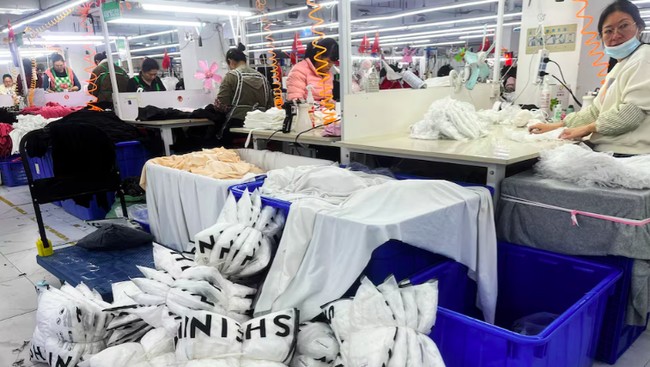
Jakarta, CNBC Indonesia – Chinese e-commerce giant Shein once sent shockwaves through Indonesia’s micro, small and medium enterprises (UMKM) industry. The service, together with Temu, used a business model deemed capable of ‘killing’ the survival of local UMKM.
Shein and Temu sold goods directly from factories to end consumers without any intermediaries. As a result, the products could be sold extremely cheaply, disrupting the climate of healthy competition.
The government intervened directly by banning Temu and Shein from entering the Indonesian market. However, Temu and Shein had previously flourished in international markets before eventually being struck by the administration of Donald Trump.
Trump scrapped the ‘de minimis’ policy that had long benefited Shein and Temu. The de minimis policy exempted import duties and taxes for low-priced imported goods.
Following the policy’s removal, Temu and Shein could no longer sell goods at extremely low prices, as they now had to pay costly import duties. The two e-commerce giants also faced regulatory challenges in several countries besides the United States.
As a result, Shein’s business began to falter. The company suffered a quarterly loss of up to US$99 million (around Rp1.7 trillion) due to slowing sales.
Its pre-IPO financial report documents stated that Shein recorded a loss in the first quarter (Q1) of 2026, as quoted by Reuters on Monday (27 July 2026).
The loss came after the company had previously booked a net profit of US$395 million (Rp7.1 trillion) in the preceding year.
Shein has obtained approval from China’s Securities Regulatory Commission and is scheduled to list its shares in Hong Kong on 10 July. However, the Singapore-headquartered company did not disclose the size of the share offering, offer price, or the estimated proceeds of its share sale.
Battered by De Minimis Rules in the US and Europe
Shein has indeed had to endure difficult times after the United States revoked the tariff exemption for low-value goods, coupled with a substantial one-time accounting charge.
The de minimis rule previously allowed packages valued at less than US$800 (around Rp14.4 million) to enter the United States without import duties.
With the exemption removed, Shein said Chinese-origin products sold by the company, whether directly or through marketplaces and shipped to the United States, are now subject to tariffs ranging from 10% to 87.5%.
The company acknowledged that the removal of the tariff exemption had a significant impact on overall growth, ultimately contributing to increased expenditure.
To cope, Shein is considering various options, including implementing special price increases for the US market.
‘In response to the increased duties and taxes, we are considering a number of options, including raising prices in the US market to offset part of the increased costs,’ Shein wrote.
Beyond the United States, Shein’s key market in the European Union has also imposed a €3 import duty on low-value e-commerce imports. According to the European Commission, this policy was introduced as a measure to curb unfair competition from Chinese-origin products.