
Chinese coffee chain introduces new flavour experiences to Indonesian consumers
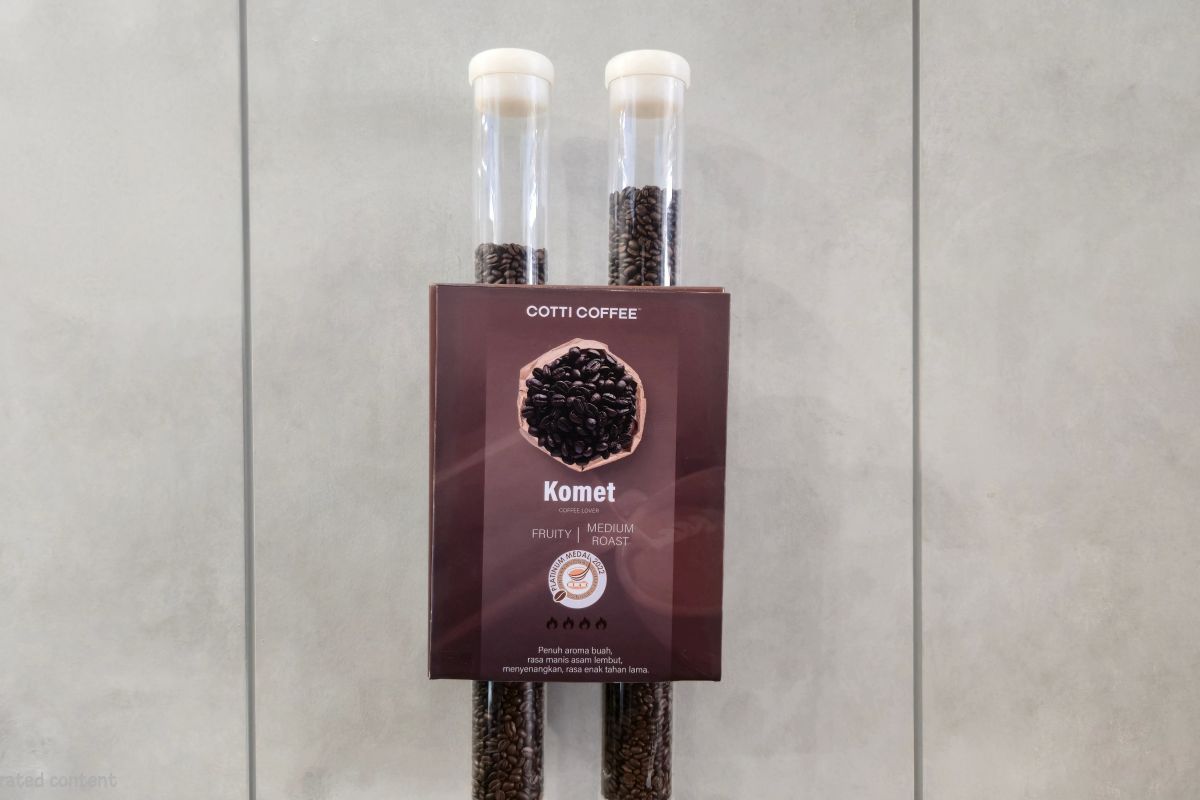
At a Chinese coffee chain outlet in Jakarta, a panel featuring beans named “Komet” catches the eye.
The panel introduces a medium roast coffee character offering floral and fruity aromas with a gentle blend of sweet and acidic flavours.
For some coffee enthusiasts in Indonesia, such flavour profiles may sound unusual.
For years, coffee has been more closely associated with a strong bitter taste and a heavy aroma.
However, as coffee drinking culture has developed within society, consumer preferences have begun to change.
The growth of coffee chains offering a variety of flavour profiles shows that people are interested in trying coffee with lighter, fresher and more complex characteristics.
Beyond the still-popular milk coffee, various coffee variants with nuances of fruit and floral aromas, as well as more pronounced acidity, are beginning to find a place among urban consumers.
This shift in preferences has also encouraged various international coffee chains to enter Indonesia, including Cotti Coffee from China.
The coffee chain was founded in Beijing in 2022 and began expanding into international markets the following year.
According to information posted on its official Instagram account on 22 June, Cotti Coffee now has 61 outlets in Indonesia.
Behind every cup served, Cotti Coffee blends Arabica beans from various coffee-producing regions around the world, including Ethiopia, Brazil, Colombia, Guatemala and Yunnan in China, as explained on the company’s official website.
These blends are then processed into several roast profiles, including Platinum Specialty, a medium roast with floral and fruity notes, and Gold Roast, which highlights dark roast, caramel and dark chocolate flavours.
In addition, one of its other innovative menu items, coffee with coconut, or coconut coffee, is particularly popular with older consumers.
“With coconut coffee, it is usually mothers who order it. They are often curious about the combination of coffee and coconut. After trying it, many say the taste is smoother and easier to enjoy,” said Alfa, who often recommends this innovative menu item to customers asking about the outlet’s favourites.
Aldo (24), a customer met at one of the Cotti Coffee outlets, said he had come to enjoy coffee with fruity characteristics over recent months.
According to him, such coffee is lighter and easier to enjoy than overly bitter coffee.
“In the past, I mostly drank milk coffee or strong-flavoured coffee, but now I prefer ones with a fruity aroma. It tastes fresher and isn’t too bitter on the tongue,” he told Xinhua.
He said a similar trend can be seen among his university friends. According to him, many students now choose americanano made with fruity coffee beans rather than more bitter flavour profiles.
“Many of my friends also order americanano with fruity beans. Perhaps because the taste is lighter, it is easier to drink even without sugar or milk. You can keep drinking it without it feeling too bitter. The aroma is also more appealing than coffee that only tastes bitter,” the young man explained.
A barista has also witnessed this shift in preferences first-hand. Alfa (27), a barista at a Cotti Coffee outlet in Cempaka Putih, Central Jakarta, said that before working at Cotti Coffee, he had worked at other coffee chains where customers generally chose original, bitter-flavoured coffee.
However, at Cotti Coffee, which offers two coffee bean profiles — Gold Roast (bitter flavour) and Platinum Specialty (floral and fruity notes) — he has seen consumer preferences become more diverse.
“Gold Roast is preferred by customers who like stronger, more bitter coffee. Platinum Specialty has more pronounced acidity with prominent fruity notes, so many young people order that one,” said Alfa.
According to the barista’s observations, younger consumers mostly order americanano made with fruity coffee beans.
“The taste is lighter and fresher. Many people are indeed looking for that kind of flavour,” he told Xinhua.
Meanwhile, Gold Roast is usually ordered by consumers who prefer a bitter taste without pronounced acidity. Its fans are relatively varied, from young people to older customers, depending on individual preferences.
This phenomenon shows how coffee drinking culture in Indonesia continues to evolve.
Where consumers were previously more familiar with coffee highlighting bitterness and a strong body, an increasing number are now interested in exploring more diverse flavour profiles.
This shift in preferences has driven new offerings in the market, including through international coffee chains presenting different flavour characteristics.
From coffee plantations in Yunnan to a cup enjoyed in Jakarta, coffee’s journey is now no longer merely about the origin of the beans, but also about how flavour evolves in line with consumer tastes.
Through a variety of flavour profiles, blends of beans from various countries, and menu innovations, the Chinese coffee chain is enriching the choices available to consumers while becoming part of the development of coffee drinking culture in Indonesia.