
Chinese cars receive positive reception in Australia's automotive industry
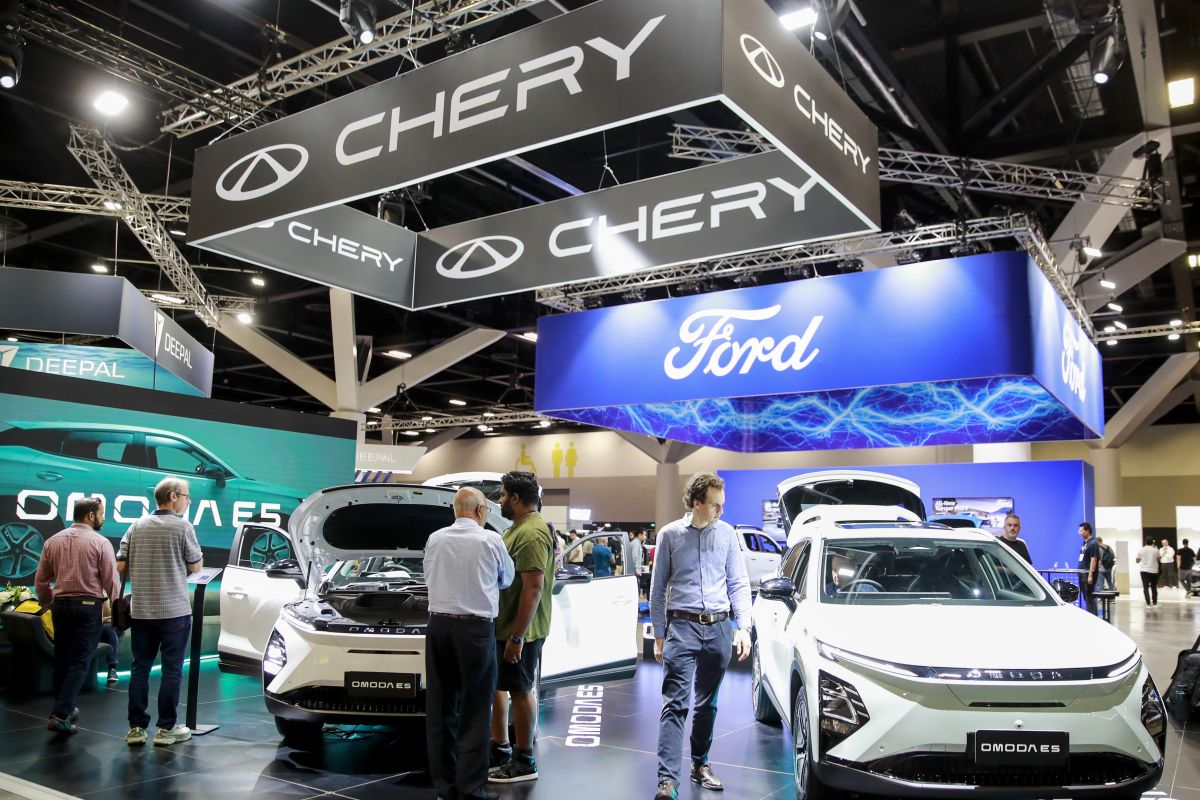
Chinese car manufacturers, particularly those focused on new energy vehicles (NEVs), have recorded rapid growth in Australia’s highly competitive market as they win the trust of consumers in the country, according to the head of Australia’s leading automotive industry association.
The shift towards low-emission electric vehicles (EVs) is an inevitable trend, and the rapid growth of Chinese automotive brands in Australia reflects their ability to meet consumer needs with competitive products and services, said Tony Weber, Chief Executive of the Federal Chamber of Automotive Industries (FCAI), in a recent interview with Xinhua in Canberra.
According to FCAI data, EV sales in Australia have increased significantly this year, while Chinese-made vehicles have recorded strong performance in the new car market. In February, China became Australia’s largest source of new vehicle suppliers for the first time in a single month.
Weber said Chinese automotive manufacturers are increasingly strengthening their presence in the Australian market by continuously expanding dealer networks and providing the after-sales services consumers need, thereby increasing the confidence of the Australian public in their products.
“If there were no such steps, Australian consumers would not have that confidence. They might not buy Chinese vehicle products. Yet now we know Australian consumers are already buying Chinese vehicles,” Weber said.
“You need to provide support for those vehicles. You need to innovate. And that is what Chinese manufacturers are doing,” he said. “Australia is a very open market. It is a very competitive market,” Weber added.
Latest data shows sales of battery electric vehicles (BEVs) from all reporting sources reached 23,510 units in July, accounting for 21.7 per cent of the total market. This figure marks two consecutive months in which BEVs contributed more than one-fifth of overall sales. When including hybrid vehicles, “electrified technology” vehicles accounted for 48.4 per cent of Australia’s new vehicle market in July.
Weber said he is “very optimistic” about the prospects for EVs in the Australian market, while emphasising that the development of charging infrastructure is also “very crucial.”
The FCAI chief also highlighted International Energy Agency analysis showing that Australia has one of the highest ratios of EVs to public charging infrastructure. “That needs to change, and it must change quickly,” he said.
When asked whether China, which currently has a well-established charging infrastructure industrial chain, should participate in developing charging infrastructure in Australia, Weber said, “Australia is a very open economy. When a country has commercial or technological advantages, we would certainly support those countries and their suppliers to enter the Australian market and provide that infrastructure,” he added.
Weber said he has visited China to tour the country’s automotive industry research and development and manufacturing facilities, as well as the Shanghai auto show. He said he was very impressed with the development of China’s automotive industry and the country’s overall development.
“When I go to China and see its automotive industry, I see the future of the automotive world,” Weber said. “More broadly, I see a Chinese society that is very advanced, sophisticated, and functioning well. China is part of the modern world. They truly reflect the modern world,” he added.
Source: jawawa.id (https://jawawa.id/newsitem/chinese-cars-receive-positive-reception-in-australias-automotive-industry-1787162054)
Originally published by Antara (Indonesian) (https://otomotif.antaranews.com/berita/5702600/mobil-china-dapat-sambutan-positif-di-industri-otomotif-australia), translated from Indonesian