
Chinese Cars Dominate EV Segment, Pressuring Japanese Dominance
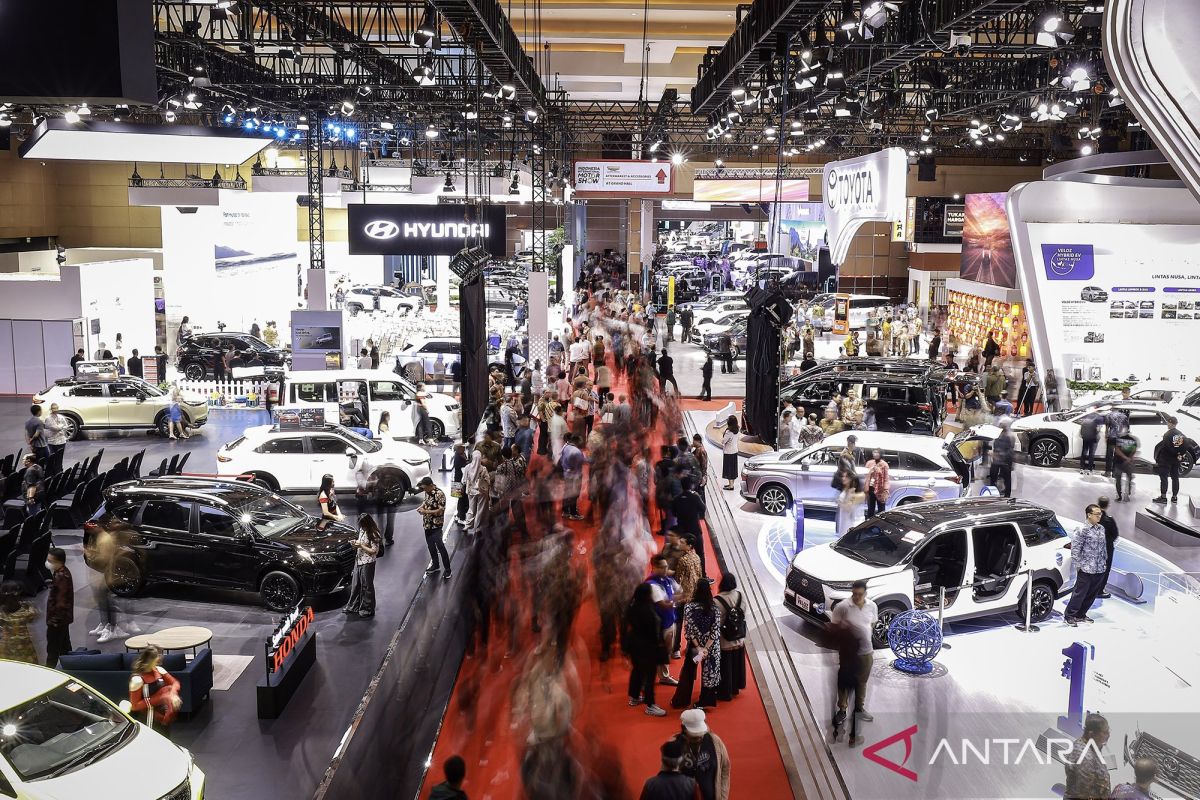
Jakarta (ANTARA) - Automotive expert from Institut Teknologi Bandung (ITB), Yannes Martinus Pasaribu, assesses that car brands from China are beginning to displace the dominance of Japanese producers in several segments of the Indonesian automotive market, particularly electric vehicles (EV) and the middle class. He stated that although Japanese cars remain strong in certain segments, the pressure from Chinese brands is increasingly felt. “China will not yet displace the popularity of Japanese cars in the entry-level SUV, entry-level MPV, and conventional Internal Combustion Engine (ICE) Low Cost Green Car (LCGC) segments in the next 3 to 5 years,” Yannes said when contacted by ANTARA from Jakarta on Tuesday. He noted that Chinese brands have already shifted positions in the EV, SUV, and mid-level hatchback segments. Yannes also believes that these manufacturers will further strengthen their brand image in the Indonesian market. According to him, one of the main driving factors is the rising cost of fuel oil (BBM), which makes electric vehicles increasingly economically attractive. “Expensive fuel prices make the operational costs of entry-level EVs appear far more economical. This trend will strengthen further in big cities and drive faster adoption of Chinese EVs in various cities,” he said. Nevertheless, Yannes acknowledges that consumer perceptions of the long-term quality of Chinese cars remain varied. However, he assesses that this situation is gradually improving along with enhancements in after-sales services and local assembly. On the other hand, the entry of Chinese brands also brings dual impacts to the domestic automotive industry. He explained that the presence of CKD factories from Chinese producers does create new job opportunities and encourage technology transfer. In addition, the implementation of the domestic component level (TKDN) remains administrative in nature, thus not yet encouraging the transfer of core technologies needed to strengthen the national automotive industry’s independence. “Indeed, Chinese CKD factories create new jobs and encourage technology transfer. However, many local component suppliers are under pressure because China often uses its own supply chains,” he said.