
China's technological progress opens opportunities for digital economic transformation
Cairo (ANTARA) - China’s rapid advances in science and technology are presenting new opportunities for developing economies to drive digital transformation, strengthen research capacity and accelerate sustainable development, according to an Egyptian expert.
“China has truly become a major milestone of global innovation today. Most serious scientific research now comes from China, especially in smart technology and the application of artificial intelligence (AI),” Abdel-Wahab Ghoneim, deputy chairman of the Arab Federation for the Digital Economy, told Xinhua in a recent interview.
Ghoneim, who also serves as a digital transformation consultant to the Egyptian government, said China’s technological progress is driven by three factors: “linking scientific research with industry; expanding advanced technologies such as AI, computing and chips; and having a state system that supports research, manufacturing and investment.”
According to the expert, these measures, along with strengthening technology education, legislative reform and administrative simplification, offer practical lessons for developing countries, including Egypt.
Earlier this month, China announced the recipients of the 2025 State Science and Technology Awards in Beijing, honouring 258 projects and 11 science and technology experts.
Among the recipients was Chen Liquan, a leading Chinese expert in lithium battery technology, who Ghoneim said plays a vital role in the future of electric vehicles (EVs) and renewable energy.
“Awarding a lithium battery expert conveys a very important message,” he said, noting that batteries have become the backbone of sustainable development, playing a crucial role in addressing energy storage challenges in the solar, wind and EV sectors.
China’s EV sector has evolved from playing catch-up to becoming a global leader, offering a cooperation model for Egypt in semiconductors, solar panels, wind turbines and other advanced industries, particularly given Egypt’s abundant reserves of high-purity silica sand and mineral-rich black sand — crucial raw materials for high-tech manufacturing industries.
“It is important to attract Chinese companies producing electronic chips and operating in other advanced industries to set up factories in Egypt, while offering them the best incentives,” he added.
Ghoneim also highlighted cooperation already established between Egypt and China, including the Government Data and Cloud Computing Centre, Huawei’s collaboration on 5G development in Egypt’s New Administrative Capital, and the TEDA Suez China-Egypt Economic and Trade Cooperation Zone.
“These are major projects that reflect Egypt’s confidence in Chinese technology,” he said.
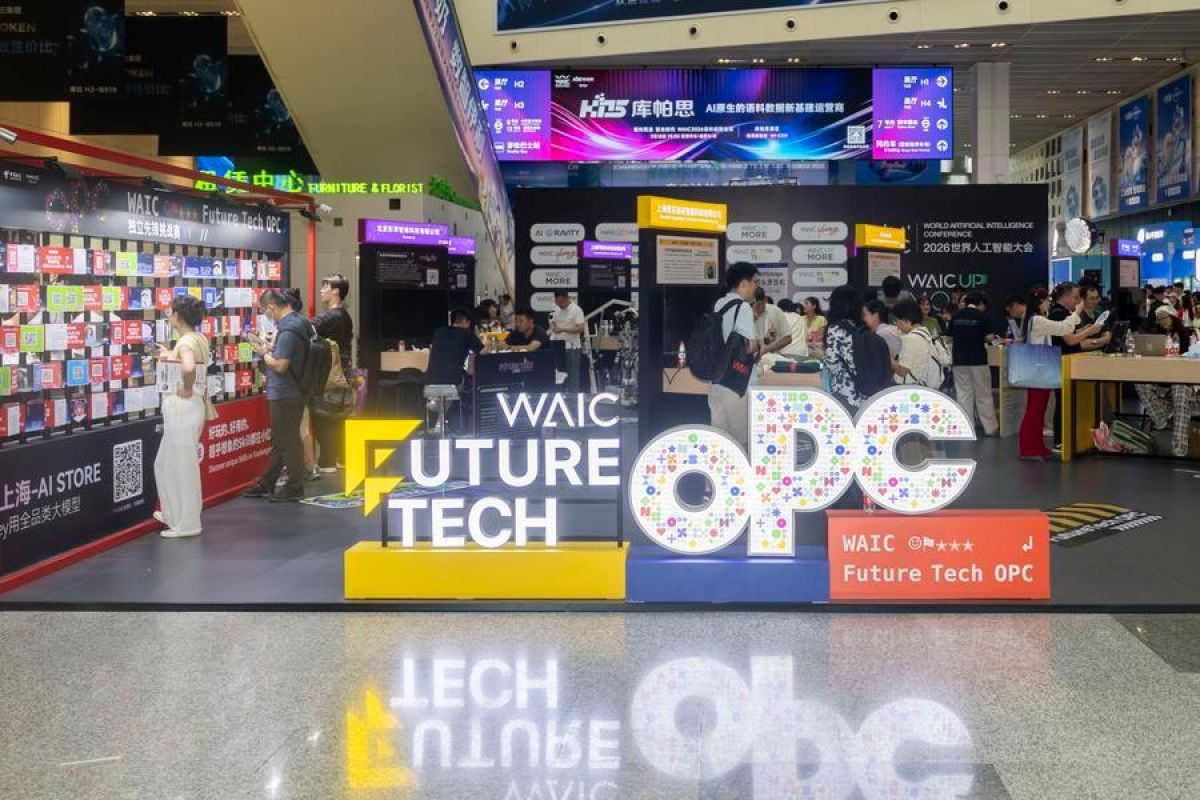
At the World AI Conference (WAIC) 2026, held in July in Shanghai, China announced the launch of the World Artificial Intelligence Cooperation Organisation (WAICO) and committed to providing 5,000 training and AI seminar opportunities for developing countries over the next five years.
Ghoneim said these efforts reflect China’s growing importance as a partner for developing countries seeking to build their own technological futures.
“China cooperates with developing countries in pursuing a development path based on the principle of mutual benefit,” he said.