
China's Surge Leaves Neighbours on the Brink
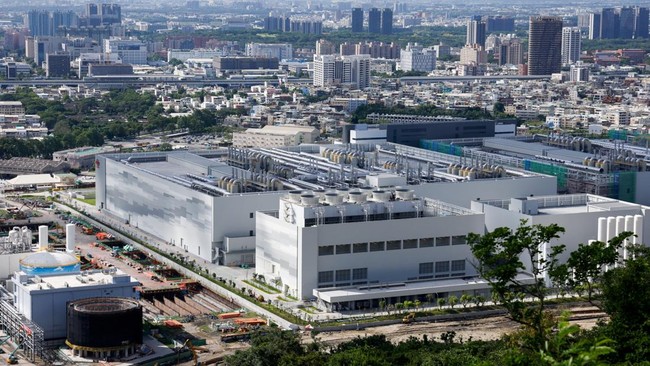
The surge in US artificial intelligence infrastructure demand has significantly boosted economic growth in East Asia’s advanced economies. Latest economic data shows Taiwan’s output grew by 14% year-on-year, driven by a spike in chip and data centre server sales.
South Korean memory chip manufacturers have also recorded operating profits exceeding 500% over the past year. Japan has similarly benefited from this cycle, despite having long since lost its status as the world’s leading chip producer.
In 2025, the three nations enjoyed record exports and solid current account surpluses. However, behind these records lies a structural shift indicating East Asia’s advanced economies are undergoing deindustrialisation in non-high-tech manufacturing sectors.
Supply Chain Transformation and Deindustrialisation Threat
China’s intensifying competition has disrupted East Asia’s old economic model, which previously relied on manufacturing diversification to create prosperity during the 1980s and 1990s.
China’s trade relations with its neighbours have undergone fundamental transformation. Once importing high-value components and focusing on final assembly, it now competes across the entire supply chain.
These macro conditions have drastically altered regional trade balances. Taiwan’s longstanding goods surplus with mainland China has reversed into a deficit. South Korea experienced a similar shift years ago, though recent chip exports have helped restore its surplus.
In Japan, bilateral trade deficits with China have plunged to record depths this year. Traditional industries—from automotive to chemicals—are under intense competitive pressure. Perceptions of government-subsidised Chinese goods are fueling protectionist sentiments.
Semiconductor Export Concentration Vulnerability
Deep specialisation in the chip industry reflects economic maturity, but this narrow focus has created significant structural vulnerabilities.
Tech hardware cycles are notoriously volatile, with their fluctuations increasingly undermining regional economic stability. The tech supply chain is deeply dependent on both the US and China for critical inputs and end-user demand.
According to export concentration indices, East Asia’s exposure is 73% higher than the average for other advanced economies. This concentration has risen steadily since 2019.
This extreme concentration leaves East Asia vulnerable to protectionist policies by the two superpowers.
Urgency for Structural Reform and Domestic Stimulus
To tackle deindustrialisation, East Asia should not respond by doubling down on aggressive industrial policies. South Korea’s $530bn semiconductor subsidy pledge and Japan’s $61bn strategic goods investment are deemed irrelevant.
Government interventions to boost exports worked when economies were catching up, but are no longer optimal for high-income nations. East Asia must reform outdated systems suppressing domestic consumption.
Labour market reforms are needed to address wage inequality and boost real incomes. Pension systems must be overhauled, given the region’s highest relative elderly poverty rates among advanced economies.
Governments should reduce financial engineering to ensure efficient resource allocation. Excessive subsidies for established firms like TSMC and Samsung Electronics should cease to allow outdated industries to undergo natural selection.
Externally, local barriers must be cut by pursuing bilateral free trade agreements between South Korea and Japan, or advancing South Korea’s entry into the CPTPP pact.