
China's Pressure Drives Southeast Asia to Strengthen Defence Cooperation
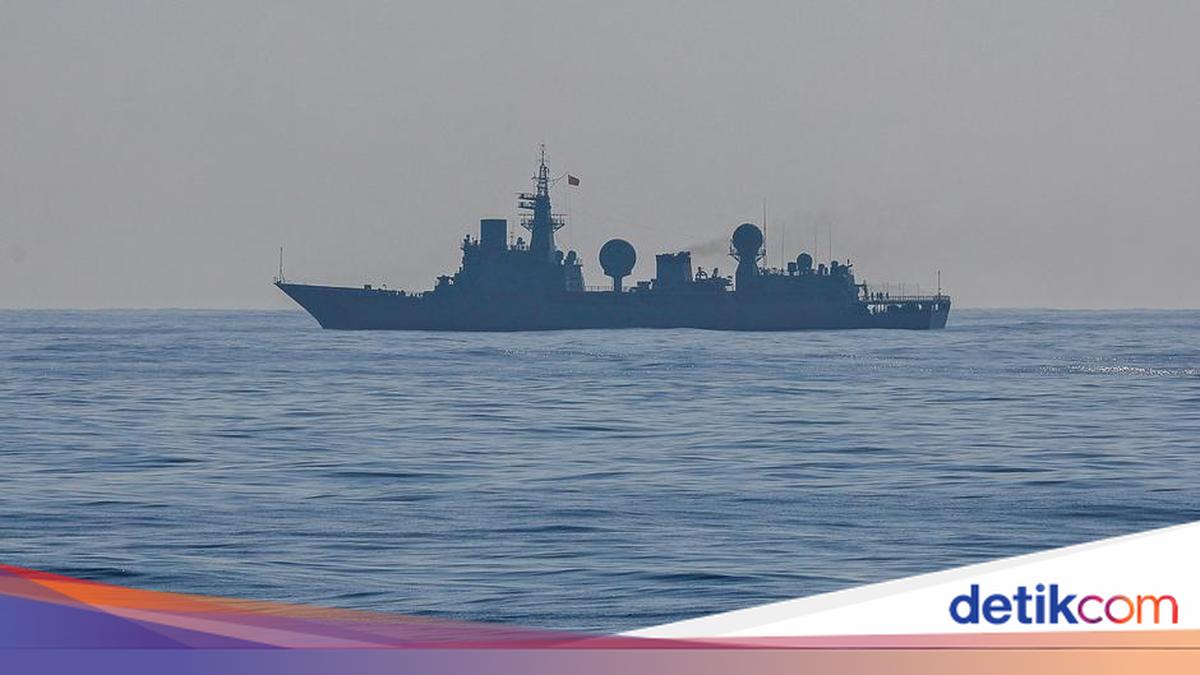
For years, the South China Sea has been viewed as a potential flashpoint for escalating geopolitical rivalry between China and the United States, with Southeast Asian nations often depicted as smaller powers caught in the middle. However, this dynamic is shifting as these countries quietly build a new web of security cooperation. This network is not a formal alliance like NATO but is instead composed of access agreements, missile sales, coastguard exercises, and defence consultations.
On 1 June, the Philippines and Vietnam strengthened their relationship to a strategic partnership and signed a memorandum of understanding on defence cooperation. The pact covers high-level exchanges, strategic dialogue, and joint activities, building on previous coastguard exercises and a hotline mechanism to prevent incidents at sea.
India is also playing a more assertive role. New Delhi recently signed a deal to supply Vietnam with the BrahMos supersonic cruise missile system, a joint development with Russia. This follows a similar agreement with the Philippines, making Vietnam the second Southeast Asian nation to acquire the system. For India, the deal signals that its Indo-Pacific policy now extends beyond diplomacy and trade to include defence exports and maritime security.
According to Hunter Marston, Director of the Southeast Asia Programme at the Lowy Institute, these countries share concerns about China and a common interest in upholding maritime law. He notes that while none of these agreements constitute a formal anti-China alliance, they collectively make unilateral pressure in the region more difficult and costly. Marston also points out that uncertainty over the long-term reliability of US security commitments is driving these middle powers to cooperate more closely with each other.
Vietnam, despite its own territorial disputes with China, remains cautious about formal alignment. Kei Koga, Professor of Public Policy and Global Issues at Nanyang Technological University, explains that the BrahMos deal strengthens Vietnam’s coastal defence and deterrence capabilities without making it part of an anti-China bloc, thus preserving its strategic autonomy. Indonesia is even more circumspect, not officially acknowledging a territorial dispute with Beijing, even though China’s claims overlap with waters around the Natuna Islands. Nevertheless, Jakarta recognises the broader threat and is engaging in its own security dialogues, including a recent defence pact with Australia.