
China's Plastic Industry Begins to Feel Impact of Strait of Hormuz Closure
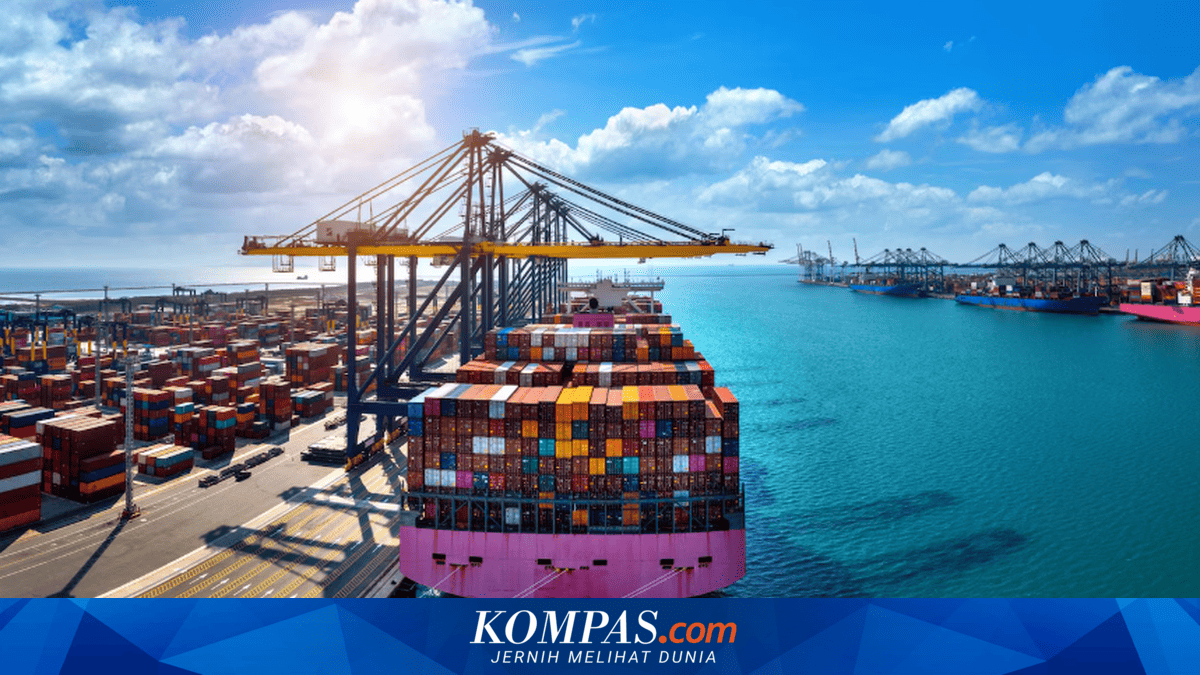
China’s economy is beginning to feel the impact of the Strait of Hormuz closure, which stemmed from the United States’ (US) attacks on Iran since 28 February. As a result, the country’s largest trade fair, the Canton Fair, has seen a drop in visitors. Xiatao Plastic Industry, an exporter of electrical equipment and producer of plastic kitchen accessories with the majority of its sales abroad, is experiencing a slowdown. “We have been forced to offer new prices, and clients are still considering them. For foreign trading companies like ours, the situation is difficult. We only hope the war will end soon,” explained Xiatao Plastic’s general manager, Shao, quoted from Reuters on Friday (17/4/2026). However, the energy shock and higher commodity prices are raising production costs in the world’s largest manufacturing country, threatening the already thin profit margins in factories that collectively employ hundreds of millions of people. It is known that China’s economic growth is supported by export markets from Asia, Southeast Asia, to Europe. A decline in China’s economic volume affects trade in the region. “If the fighting continues, it won’t just affect us - Europe’s economy is also in poor condition. Southeast Asia’s economy has already been weak from the start. Now the US dollar has also fallen,” explained the general manager of rice cooker and kettle maker Weking, Liang Su. Navigational freedom there must be restored so that ship traffic can return to normal. “Freedom and security of navigation through this international strait must be ensured. Restoring normal traffic through this strait is a common call from the international community,” Wang stated to Iranian Foreign Minister Abbas Araghchi over the phone, as quoted from Middle East Monitor on Wednesday (15/4/2026). This includes guarantees that the United States (US) and Israel will not launch further aggression in the future. “Iran’s sovereignty, security, as well as its legitimate rights and interests as a coastal state of the Strait of Hormuz must be respected and upheld,” he added. Global cargo shipping routes, including oil tankers passing through the Strait of Hormuz, have been disrupted since 28 February 2026 following the US-Israel attacks on Iran.