
China's Hainan Province to Ban Sales of ICE Vehicles by 2030
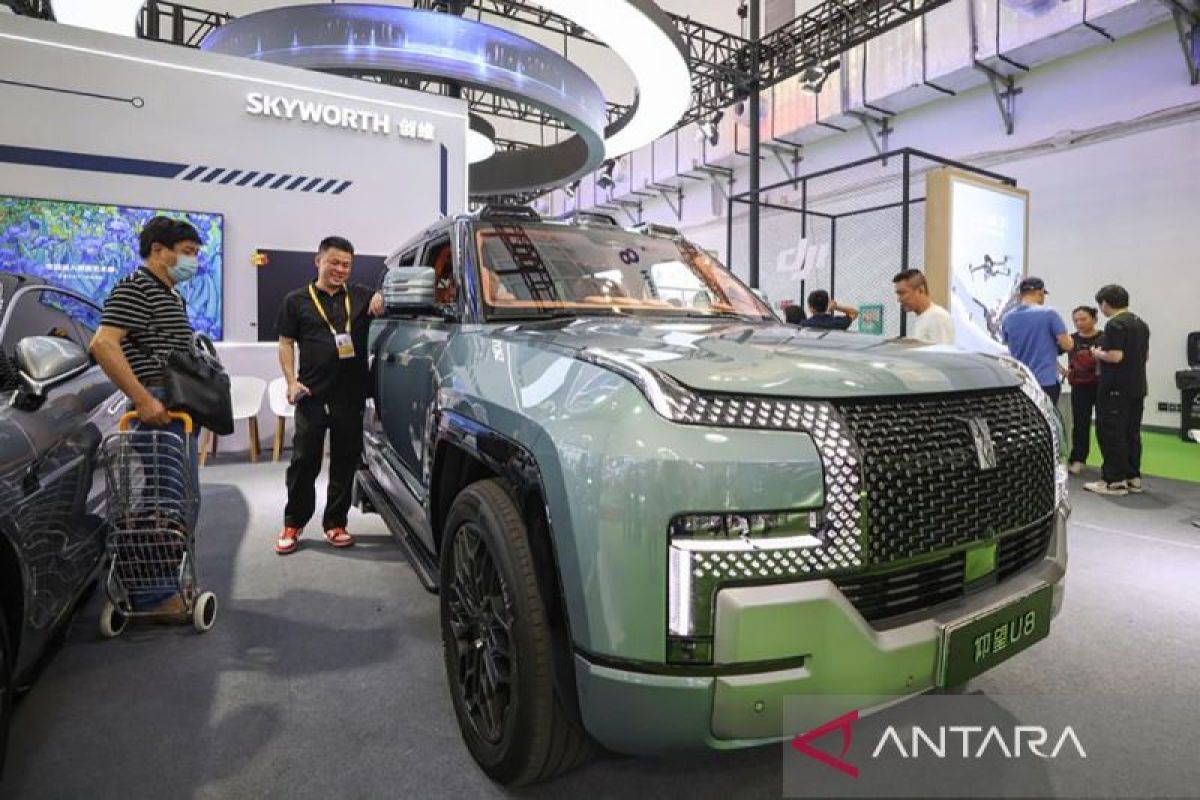
The Hainan provincial government has announced it will become the first province in China to ban the sale of internal combustion engine (ICE) vehicles by 2030. The decision is outlined in the ‘15th Five-Year Plan for the Hainan National Ecological Civilization Pilot Zone’ document, according to a CarNewsChina report on Monday. The policy positions Hainan as a national pioneer in the transition of the transport sector. With an area of 35,400 square kilometres and the G98 expressway encircling the island for 612.8 km, the province is considered highly compatible with the range of modern electric vehicles and the development of efficient infrastructure networks. The province has also recorded significant progress in its ‘Clean Energy Island’ initiative. By mid-2026, renewable energy had become the primary source of electricity supply on the island. Hainan currently ranks first in China for electric vehicle market penetration and second in electric vehicle ownership among all provincial-level administrative regions. The government is targeting a 23.75 per cent share of New Energy Vehicles (NEVs) in the total vehicle population by 2025, increasing to over 45 per cent by 2030. In the public and private sectors, the province aims for all new and replacement public service and private vehicles to use clean energy by 2030, with the exception of special-purpose utility vehicles. Public service vehicles include government fleets, sanitation vehicles, and passenger transport. To support the uptake of electric vehicles, the provincial government is expanding the charging network with a target to maintain a vehicle-to-charger ratio of less than 2.5:1. A 2022 report from state media People’s Daily highlighted concerns regarding the integration of charging and hydrogen refuelling infrastructure with urban planning and the pressure on energy supply. As an island at the end of the Southern Power Grid, Hainan has historically faced challenges due to energy dependence and high electricity costs. To address this, the government is implementing a ‘foundation building’ strategy to increase energy self-sufficiency from 24 per cent in 2025 to 54 per cent by 2030 through the development of nuclear power and renewable energy sources. The provincial government also plans to implement differentiated traffic management policies to encourage the adoption of new energy vehicles and accelerate the phase-out of conventional vehicles. Hainan is a relatively small province with limited automotive industry presence beyond Hainan Mazda.