
China's Foreign Minister: International Norms Key Lesson from US-Iran Crisis
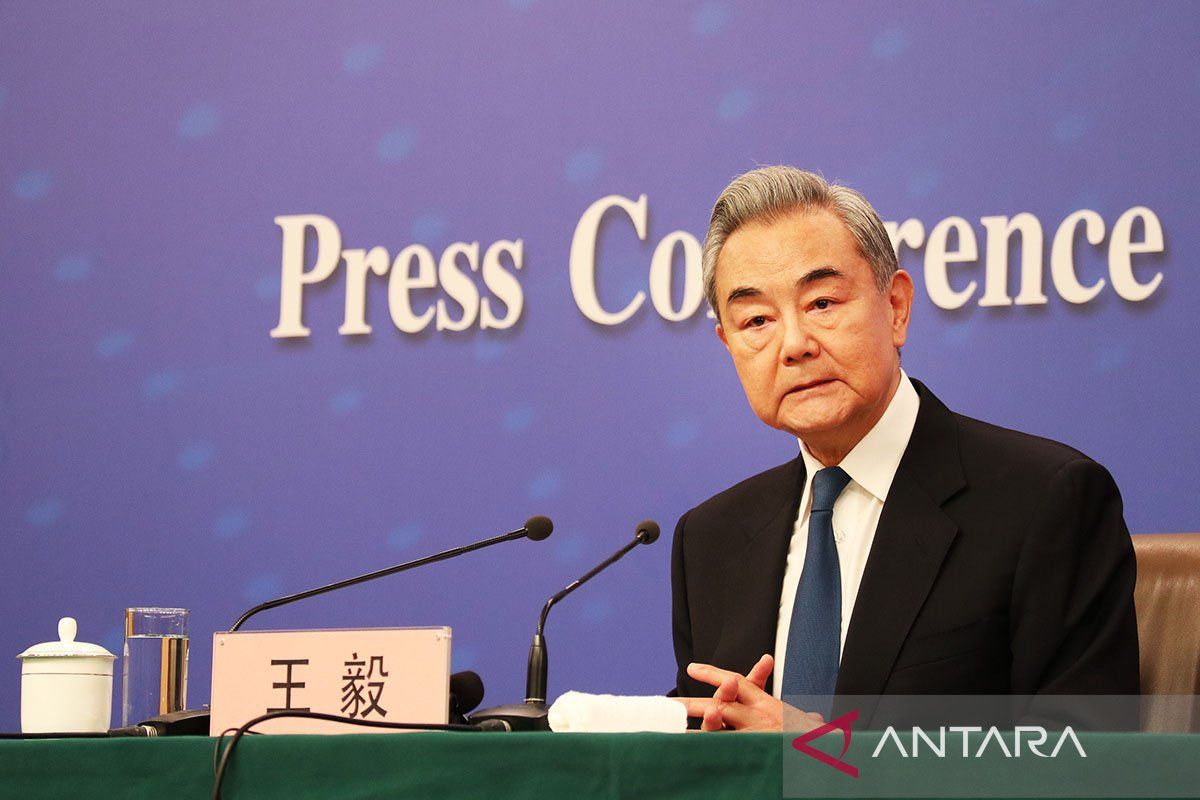
Chinese Foreign Minister Wang Yi has highlighted several important lessons from the United States-Iran crisis, chief among them being the importance of upholding international norms. Speaking at a BRICS Senior Security Officials meeting in New Delhi, Wang Yi said the conflict, which lasted more than a hundred days, shook regional and global stability and offered profound lessons. ‘The first is the importance of enforcing international rules,’ he stated, according to the Chinese Foreign Ministry. ‘Resolving any major regional and international issue must be based on compliance with international rules. The law of the jungle may prevail temporarily, but it will not last.’ Wang Yi said the second lesson is the importance of respecting national sovereignty. ‘Territorial integrity must not be violated, and the internal affairs of a country must not be interfered with. This is the most basic moral bottom line in international relations,’ he explained. The third lesson, he noted, is the importance of building a new security concept, as nations worldwide are increasingly becoming a community with a shared future. ‘Seeking absolute security for oneself at the expense of the security of others will ultimately backfire,’ Wang Yi added. The fourth lesson is the importance of understanding new forms of warfare. ‘In recent battles, information warfare, cyber warfare, and other non-traditional forms of warfare have become increasingly open and tangible. We now face traditional and non-traditional security threats that are closely intertwined,’ he said. Wang Yi therefore urged BRICS countries to strengthen dialogue and cooperation in the security field. Iran and the US previously announced on 14 June that they had reached a 14-point understanding mediated by Pakistan. The first-phase agreement aims to end the war and resolve remaining disputes through dialogue and negotiations. The memorandum of understanding, known as the Islamabad Accord, came into effect on 18 June after being signed electronically by President Pezeshkian and US President Donald Trump. The deal includes provisions on a cessation of hostilities, including in Lebanon, the reopening of the Strait of Hormuz, and the lifting of the US naval blockade on Iran. Subsequently, on Sunday 21 June, US-Iran negotiations, mediated by Pakistan and Qatar, commenced with the aim of paving the way for a permanent end to the war between the US, Israel, and Iran. Iranian President Masoud Pezeshkian stated on Tuesday 23 June that the success of the ongoing talks with the US depends on the full implementation of the agreed commitments. He stressed that statements made outside the framework of the agreement do not help advance the negotiations. ‘The effectiveness of the talks (with the US) depends on full commitment to the agreed obligations and their precise implementation,’ Pezeshkian wrote on social media platform X on Tuesday.