
China's development experience can serve as reference for Indonesian transmigration, says deputy minister
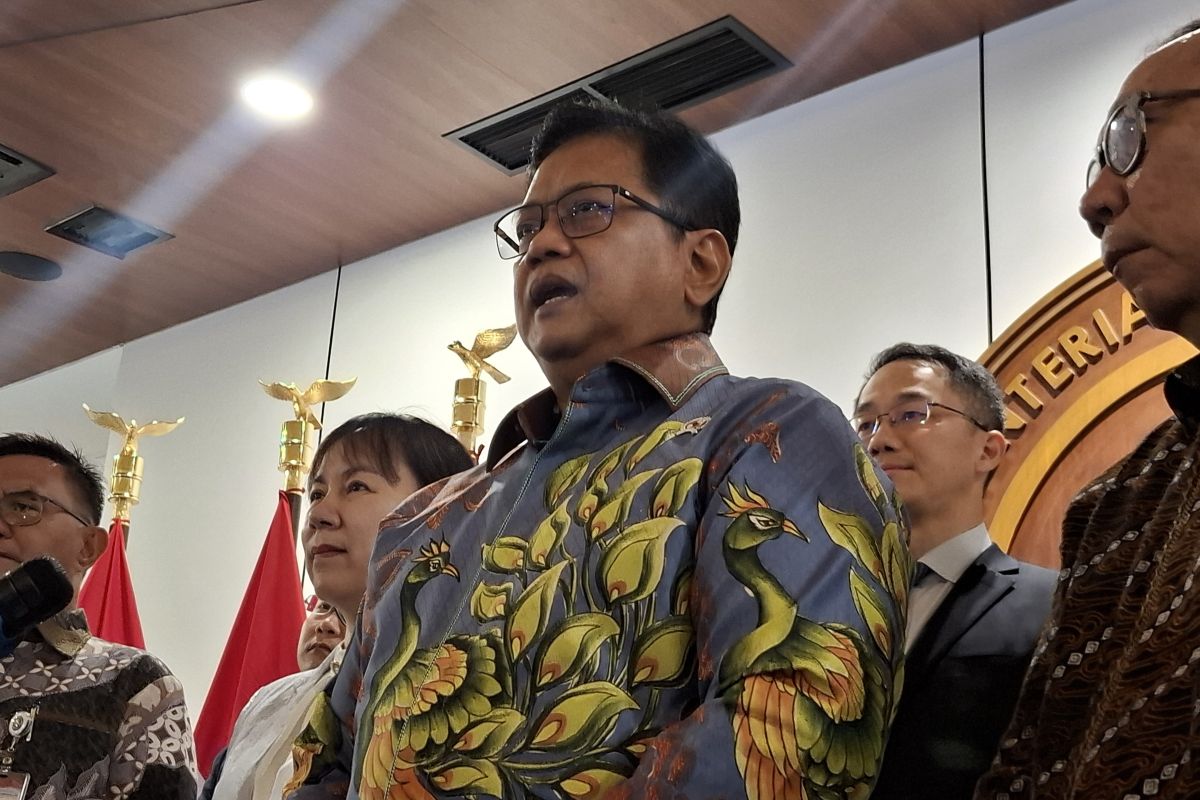
Deputy Minister of Transmigration (Wamentrans) Viva Yoga Mauladi has said that China’s experience in human resources, regional, economic, and industrial development can serve as a reference for developing Indonesia’s transmigration areas. He explained that the Ministry of Transmigration is not adopting a specific transmigration area model from China, but rather studying the country’s development experience to enrich the choice of models that can be applied according to the needs of transmigration areas in Indonesia. “We want the development models in the People’s Republic of China to provide inspiration to us as a comparison, adjusted to the economic, social, and cultural conditions of the communities in transmigration areas,” Viva said at the “Seminar on China’s Development Model” in Jakarta on Tuesday. The Deputy Minister made the remarks in his opening speech at the seminar, which brought together officials from the Ministry of Transmigration with academics from Peking University and representatives from the Embassy of the People’s Republic of China in Indonesia. According to him, relevant aspects worth studying include human resource and regional development, the development of economic models suited to the products of each area, and industrial development. Viva added that these experiences cannot be directly applied because every country has different characteristics and development challenges. Therefore, learning from China is positioned as a comparative perspective to enrich development alternatives that fit the economic, social, and cultural conditions of communities in Indonesia’s transmigration areas. Viva stressed that transmigration today is not merely about population movement but is part of a broader development agenda encompassing regional development, economic empowerment, human resource development, and community building. This approach is also one of the foundations for the Ministry of Transmigration’s involvement of academics through the Patriot Expedition Team (TEP) 2026 in developing transmigration areas. In 2026, the Ministry of Transmigration will deploy 1,476 TEP participants to 53 transmigration areas to conduct research, studies, and science-and-technology-based mentoring. The participants consist of 39 professors, 10 postdoctoral researchers, 158 doctoral degree holders, 49 master’s degree holders, 214 applied master’s students, and 937 bachelor’s degree holders from various universities. “We want to build transmigration areas with science,” Viva said. He stated that the involvement of universities is expected to enrich academic perspectives in determining the direction of area development so that development can be carried out in a targeted, consistent, and sustainable manner. This science-based approach is also directed at increasing regional economic growth and accelerating the emergence of innovations suited to the potential of each transmigration area. The “Seminar on China’s Development Model” was organised by the Ministry of Transmigration in cooperation with the Embassy of the People’s Republic of China in Indonesia and Peking University through the Institute of South-South Cooperation and Development (ISSCAD). The forum, held on 11-12 August 2026, discussed China’s experience in national development, economic reform, governance, and development cooperation between developing countries. Chair of the Management Board of the National School of Development at Peking University, Prof Lei Xiaoyan, said the cooperation marks a point for expanding the exchange of development experiences between Indonesia and China. Lei said Peking University has experience in research and mentoring regions in China in poverty alleviation efforts. This experience can serve as shared learning material with Indonesia. “We have a lot of experience that can be shared going forward, not only in today’s seminar, but perhaps there are many more things we can do together in the future,” Lei said. He stressed that the cooperation is two-way, as his side also wants to learn from Indonesia’s development experience while opening opportunities for further cooperation between Peking University and the Ministry of Transmigration.