
China's Conservation Miracle: Rare Species Rebound, Giant Pandas Included
Jakarta, CNBC Indonesia — For years, China has been known as a country with aggressive infrastructure development.
However, over the past decade, its policy direction has begun to shift. The government has poured major investment into restoring ecosystems, protecting wildlife, and expanding conservation areas.
The results are now visible across various regions. The wild giant panda population now stands at around 1,800, downgrading the species’ status from Endangered to Vulnerable. Populations of Siberian tigers, Asian elephants, Tibetan antelope, and Père David’s deer have also grown.
In Shaanxi Province, the crested ibis — of which only seven individuals remained in 1981 — has now grown to more than 12,000 worldwide, with its habitat expanding to over 20,000 square kilometres.
This recovery stems from policies sustained over decades. The government tightened habitat protection, banned hunting, restricted forest clearance, reduced pesticide use in certain areas, and developed captive breeding programmes followed by release into the wild.
The fastest change has occurred along the Yangtze River.
Since 2021, the government has imposed a ten-year ban on commercial fishing on Asia’s longest river. Enforcement is carried out through routine patrols, drones, cameras, and stricter law enforcement.
Thousands of chemical factories along the riverbanks have been relocated or closed, whilst forest rehabilitation and wetland construction have been carried out across the river basin.
Data from China’s Ministry of Agriculture and Rural Affairs shows fish biomass in the Yangtze has increased by more than 200% compared with conditions before the policy took effect.
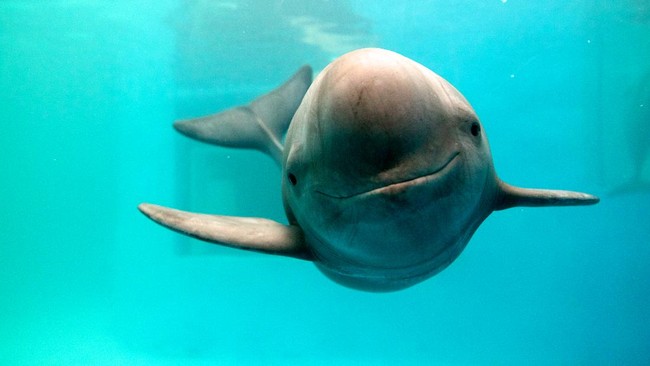
Fish diversity has risen from 308 species to 351. The Yangtze finless porpoise population reached 1,426 individuals in 2025, up from around 1,012 in 2017.
Improved habitat quality has also opened opportunities for other species. Researchers have recorded natural reproduction of the Chinese high fin banded shark again after more than two decades without a sighting.
Conservation investment has since become a source of new economic activity in several areas. The village of Siyinba in Shaanxi converted around 20 hectares of paddy fields into organic farmland to protect crested ibis habitat.
The organic agricultural products generated command higher prices than conventional farming.
The local government then developed a tourism zone themed around ibis conservation. The site receives more than 70,000 visitors each year, generating income of around 3.5 million yuan. New jobs have emerged in homestays, restaurants, tour guiding, and environmental education. Many residents who had previously migrated elsewhere have returned to the village because jobs are now available in their hometowns.
This model represents a different approach to conservation area development. Wildlife protection is combined with local economic development, so communities gain sources of income from the presence of a healthy ecosystem.
Nevertheless, challenges remain. The Yangtze still has more than a dozen major dams, including the Three Gorges Dam. A number of researchers believe this infrastructure hinders fish migration to spawning grounds.
The government has also approved the construction of a new dam on Poyang Lake to regulate water availability during the dry season. The plan has raised concerns, as the area is an important habitat for migratory birds and the finless porpoise, whose population has only just recovered.
Source: jawawa.id (https://jawawa.id/newsitem/chinas-conservation-miracle-rare-species-rebound-giant-pandas-included-1785333145)
Originally published by CNBC Indonesia (https://www.cnbcindonesia.com/research/20260729145611-128-754789/keajaiban-china-satwa-langka-ramai-ramai-lahir-lagi-ada-panda-raksasa), translated from Indonesian