
China to Recognise 12 New Professions as Emerging Industries Drive Job Creation
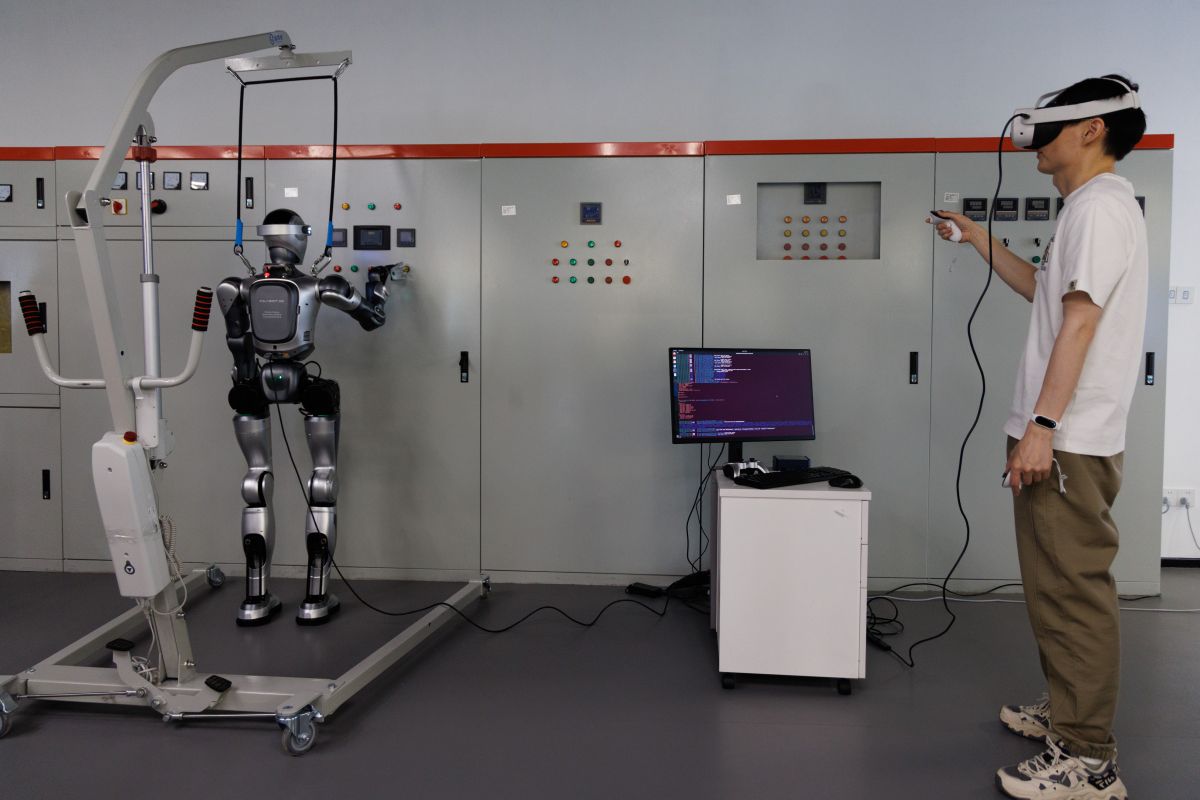
Beijing (ANTARA) - China plans to recognise 12 new professions, including digital twin engineers, embodied intelligence technicians, and sports data analysts, as the country’s rapidly growing economy continues to generate new forms of employment.
According to a recent notification from China’s Ministry of Human Resources and Social Security, the nation will also add several new specialisations under existing professions, including low-altitude logistics operators, artificial intelligence (AI) agent developers, new energy vehicle inspectors, and elderly-friendly renovation designers.
This move reflects China’s efforts to align its workforce with economic transformations characterised by the rapid expansion of new industries, the widespread application of digital technologies, and the increasing role of the service sector, while simultaneously driving new sources of employment. Since 2019, the ministry has released seven waves of new professions, bringing the total to 110.
Specifically, the value of China’s core AI industry has exceeded 1.2 trillion yuan (1 yuan = Rp2,651). Over the last five years, more than 20 of the 72 newly recognised professions have been related to AI, highlighting the increasing role of AI in transforming China’s labour market.
China will continue to develop new professions and expand job opportunities in sectors such as the digital economy, green economy, and silver economy, according to the 15th Five-Year Plan (2026-2030).
The ministry stated that the newly proposed professions will be included in the country’s official occupational classification following a public consultation process. Practitioners in related fields will then become eligible for relevant national policies and support measures.
The ministry will also formulate national standards for these new professions to serve as guidelines for vocational education, skills training, and competency assessment.