
China Tightens Firecracker Sales Following Explosions That Killed 20
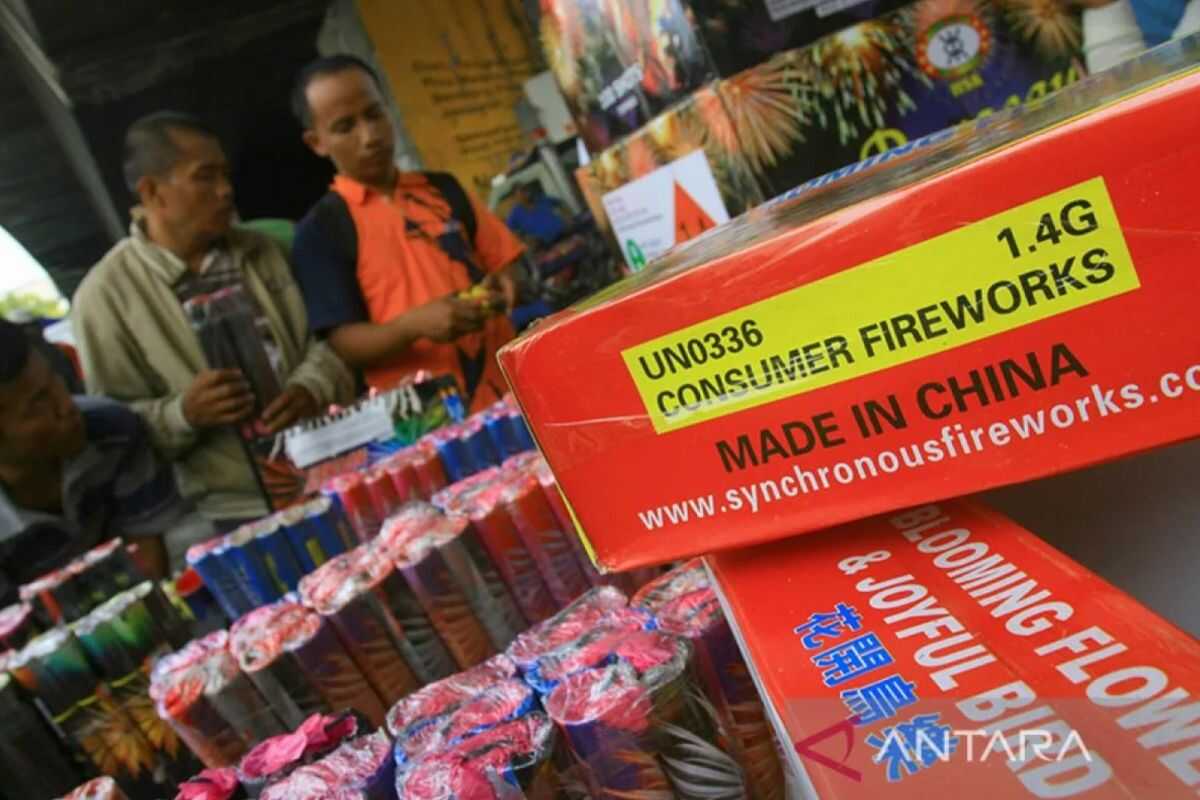
Beijing — The Chinese government has tightened firecracker sales regulations after two explosions within a week killed 20 people in Jiangsu and Hubei provinces during the Lunar New Year holiday.
The Work Safety Commission and the Ministry of Emergency Management said in a written statement issued on Friday that they had issued “five prohibitions and three obligations” to prevent similar incidents from recurring.
The five prohibitions include bans on opening firecracker shops in residential buildings, storing firecrackers beyond permitted limits, placing firecrackers outside shops, testing or igniting firecrackers within a 100-metre radius of shops, and lighting firecrackers in restricted zones and crowded areas.
The three obligations require the assignment of dedicated personnel to stand guard at retail locations, crowd control for the number of people entering shops, and the display of warning posters outlining the “five prohibitions”.
Previously, on Sunday 15 February, an explosion in Donghai County, Jiangsu province killed eight people and left two others with minor burns. This was followed by another explosion on Wednesday 18 February in Yicheng City, Hubei province, which killed 12 people including the business owner and five minors.
An investigation identified five contributing factors: inadequate supervision, insufficiently rigorous business licensing processes, lax crowd management, regulatory violations such as improper firecracker placement and sales that did not meet standards, and suboptimal communication of accident warnings by local governments.
Chinese authorities have called on all regions to learn from the two explosions and urged preventive measures to ensure safety and social order during the Lunar New Year holiday.
Additionally, emergency management departments at the provincial, municipal, and county levels have been instructed to establish inspection teams to conduct thorough checks of every firecracker shop and storage warehouse, particularly those located in densely populated areas.
For the Chinese public, lighting firecrackers is part of the Lunar New Year celebration to ward off evil spirits, welcome good fortune, and mark the beginning of a prosperous new year.
A number of major cities such as Beijing, Shanghai, and Tianjin prohibit residents from lighting firecrackers in city centres, including during the Lunar New Year period, with a focus on public safety.
In Beijing, violations of the rules carry fines of 100–500 RMB (approximately Rp244,000 to Rp1.2 million) for individual offenders and 1,000–30,000 RMB (approximately Rp2.4 million to Rp73 million) for organisations in breach, whilst informants receive a reward.
Firecracker regulations in China are subject to fluctuation and are determined by respective local governments. In 2025, Shanxi province lifted its blanket ban on firecrackers and fireworks, sparking public debate.