
China Tightens Drone Export Controls to the US Amid Rising Tensions
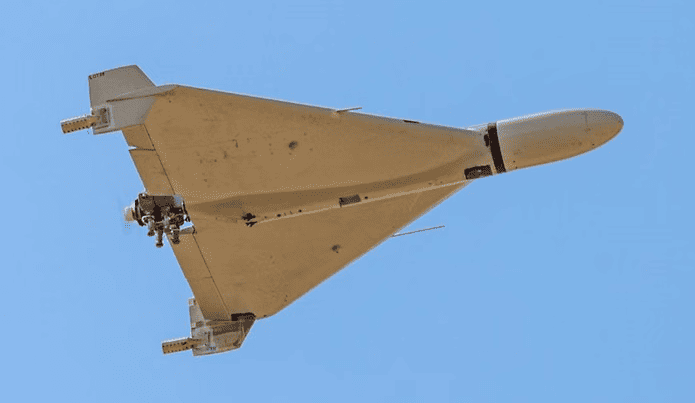
The Chinese government has begun tightening export controls on drones and related dual-use items to the United States, citing the need to safeguard national security amid rising trade and technology tensions between the two countries.
China’s Ministry of Commerce stated that the rules, which took effect on Wednesday, are intended to protect national security and interests while fulfilling international obligations, including those related to non-proliferation.
Exports of drones, key components, and related technologies listed in China’s dual-use items control list to the United States will now undergo strict case-by-case review. These items will also no longer qualify for export licensing facilitation, according to a ministry statement quoted by state media Global Times.
The policy follows the United States’ tightening of restrictions on Chinese technology products. The US Federal Communications Commission (FCC) recently granted preliminary approval to a proposal banning the import of certain foreign-made military-standard drones, widely seen as targeting Chinese manufacturers.
The FCC has also added advanced robotic devices, including humanoid robots, quadruped robots, and power inverters, to its list of equipment deemed risky for sale in the United States. Many of these products are manufactured in China.
The US has also recently added 43 Chinese companies to an import blacklist over alleged links to forced labour involving Uyghurs and other minority groups.
In addition to tightening export controls, Beijing has halted follow-up post-certification inspections by US certification bodies appointed by Chinese institutions. The Chinese government has also launched a national security investigation in the foreign trade sector, targeting imported office equipment used for printing and duplicating documents that run on foreign system software.
US company Compliance Testing LLC has been added to China’s retaliatory measures list, prohibiting organisations and individuals in the country from conducting transactions, cooperation, or other activities with the firm.
China has also imposed retaliatory measures against six US entities accused of assisting in the implementation of US sanctions related to Xinjiang. The six entities are Applied DNA Sciences Inc., Stratum Reservoir LLC, Altana Technologies Inc., Responsible Business Alliance, Verite Group Inc., and Human Rights in China.
A spokesperson for China’s Ministry of Commerce urged the US to immediately revoke the restrictive policies, halt actions deemed erroneous, and return to resolving differences through friendly consultation and cooperation. China also warned it would take further countermeasures if the United States imposes new restrictions on Beijing.