
China Tightens AI Grip, but the US Still Holds Key Advantages
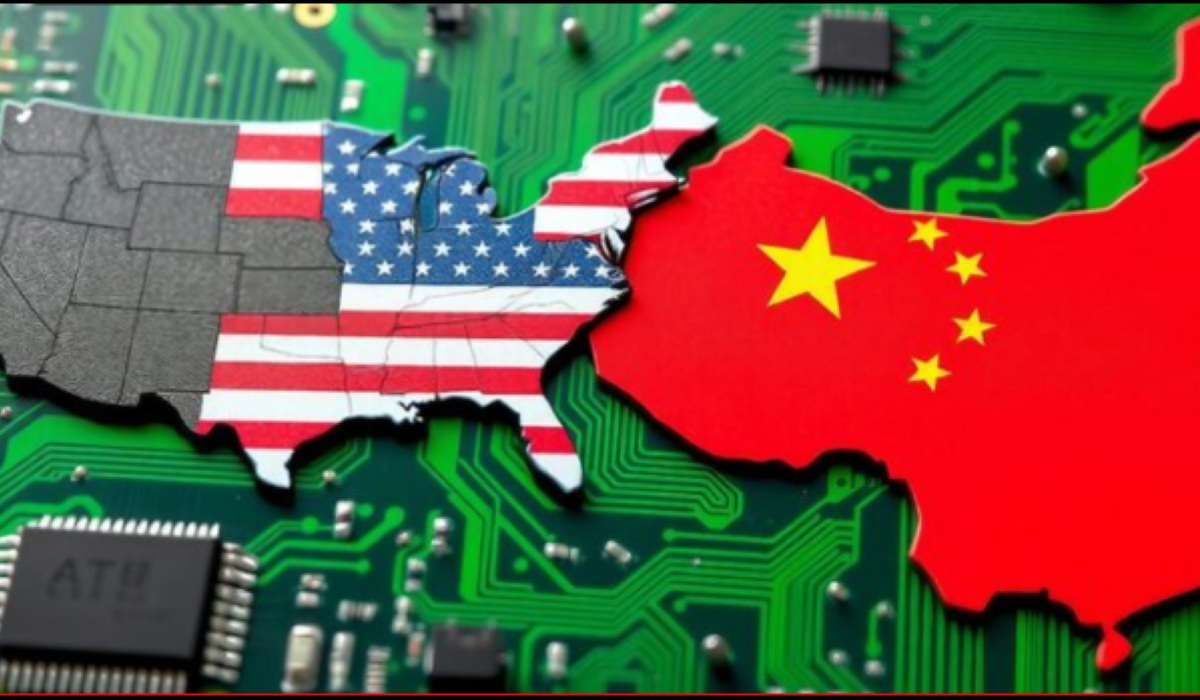
The global artificial intelligence (AI) race is now entering a surprising new chapter. Many have long regarded the United States (US) as the undisputed leader, but that view is beginning to waver. Clement Delangue, CEO of Hugging Face, recently made the controversial claim that China is currently winning the AI race, particularly in the open-model category.
Delangue predicts that at the current pace of progress, China will not only dominate open-source models but could also lead in the frontier (most advanced) model category by the end of this year or next. The statement serves as a wake-up call for Western technological dominance, which has so far been spearheaded by companies such as OpenAI and Anthropic.
Based on compiled data, China is currently considered to lead in the development of open AI models that can be downloaded, modified, and self-hosted. This advantage provides flexibility for developers around the world to adopt Chinese technology without full dependence on the closed ecosystems owned by the US.
Beyond language models, experts also highlight China’s edge in robotics and autonomous vehicles. Keegan McBride of the Tony Blair Institute for Global Change stated that China has a significant advantage in state operations and automated scientific infrastructure. If future AI success metrics are measured by manufacturing and robotics, China is in a highly favourable position.
Despite showing rapid progress, China faces a major challenge in hardware. US export controls have restricted Chinese companies’ access to the most advanced AI chips, such as Nvidia’s. This has a direct impact on the training capacity of large models. For example, Moonshot AI temporarily halted new subscriptions for its Kimi K3 model due to server capacity constraints after demand surged sharply.
However, China is not standing still. Companies there are reportedly working to overcome these constraints through the development of a domestic chip industry, distilling US models, and accessing computing power abroad. Although China’s domestic chip industry still lags far behind the US, its progress continues to show a positive trend.
On the other hand, the US still holds sway over the private capital ecosystem. Companies such as OpenAI and Anthropic are able to raise record funding to operate at scale. In addition, the US remains a magnet for global AI talent. This financial advantage allows the US to continue shaping the global rules of the AI game, as long as it can maintain its technological edge.
The big question now is no longer whether China can compete, but whether the US can adapt quickly enough. China excels not only in model performance but also in cost efficiency, customisation, and global reach. This competition is not merely about who has the smartest model, but whose technology is most widely used by the world.
With recent developments such as Palantir’s 29.5% share surge due to demand for AI sovereignty tools, it is clear that the global market is beginning to place great value on the practical implementation of AI at the state level, where China has already gained a head start.
Source: jawawa.id (https://jawawa.id/newsitem/china-tightens-ai-grip-but-the-us-still-holds-key-advantages-1786110682)
Originally published by Media Indonesia (https://mediaindonesia.com/teknologi/919495/tiongkok-semakin-perkuat-cengkeraman-ai-amerika-serikat-masih-miliki-keunggulan), translated from Indonesian