
China Successfully Clones Endangered Tibetan Yak
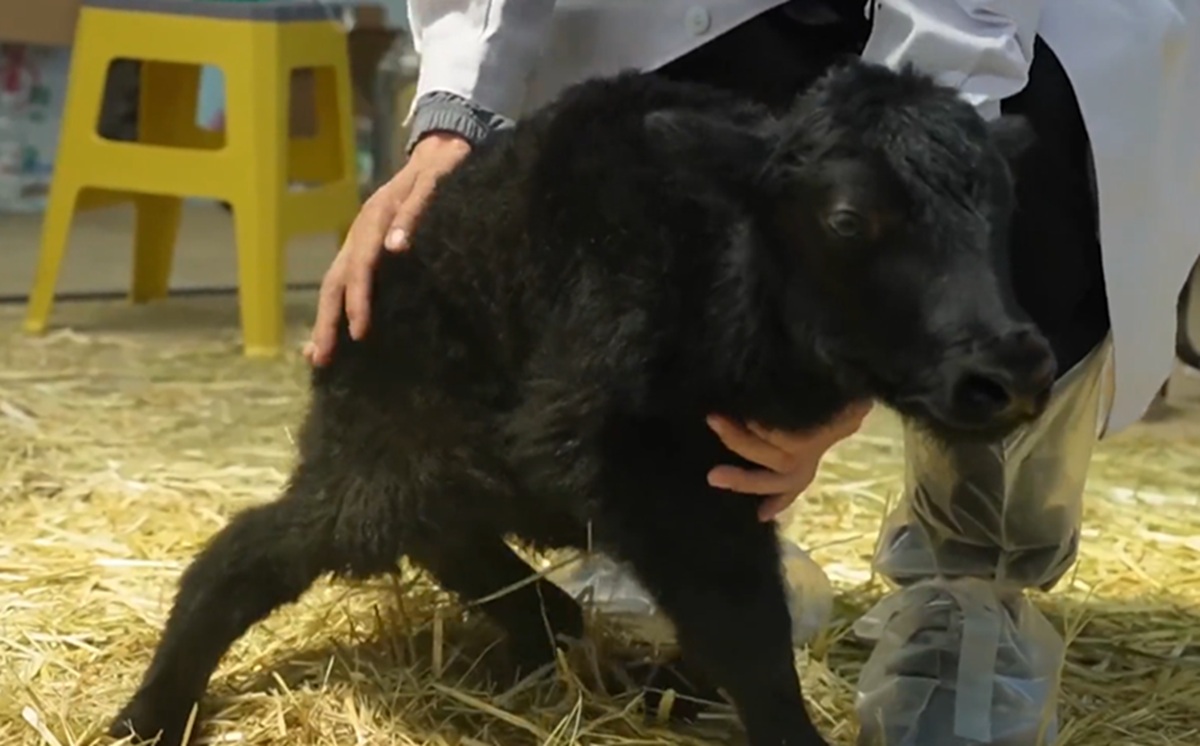
Scientists in China have successfully cloned two Tibetan yaks living on the high plateau, in a medical and scientific breakthrough aimed at saving the rare animal population from the threat of extinction.
The cloned yak calves were born in the Tibet Autonomous Region through a collaboration between researchers from China Agricultural University and local livestock authorities. The project was launched to address the drastic decline in genetic quality and the population of native-breed yaks in the Himalayan mountain region, caused by inbreeding and environmental change.
The cloning used somatic cells taken from the ear tissue of an elite male yak. Through somatic cell nuclear transfer technology, the genetic material was inserted into an egg cell whose nucleus had been removed, before finally being implanted into the womb of a surrogate mother.
The two calves born were reported to be in healthy condition with normal weight and vital signs. The success marks the first time somatic cell cloning technology has been successfully applied to the yak species in the extreme temperature and air pressure conditions of the Tibetan high-altitude habitat.
Yaks play a crucial role in the ecosystem and the local economy of communities in Tibet. For centuries, the animal has been a mainstay of local residents’ livelihoods, providing food in the form of meat and milk, wool for clothing, and serving as the primary means of transport across treacherous terrain.
The researchers stressed that the cloning step is not intended to replace natural breeding, but rather to serve as a means of preserving genetic reserves. By maintaining the genetic material of elite individuals, the biodiversity of native Tibetan yaks can be protected from the risk of deteriorating genetic quality.
Going forward, the research team plans to integrate the cloned individuals into local breeding programmes to strengthen the resilience of residents’ livestock populations. The breakthrough is expected not only to save the Tibetan yak, but also to pave the way for similar conservation schemes for other rare species threatened with extinction in the high-altitude region.