
China strengthens domestic demand to support the economy in 2026
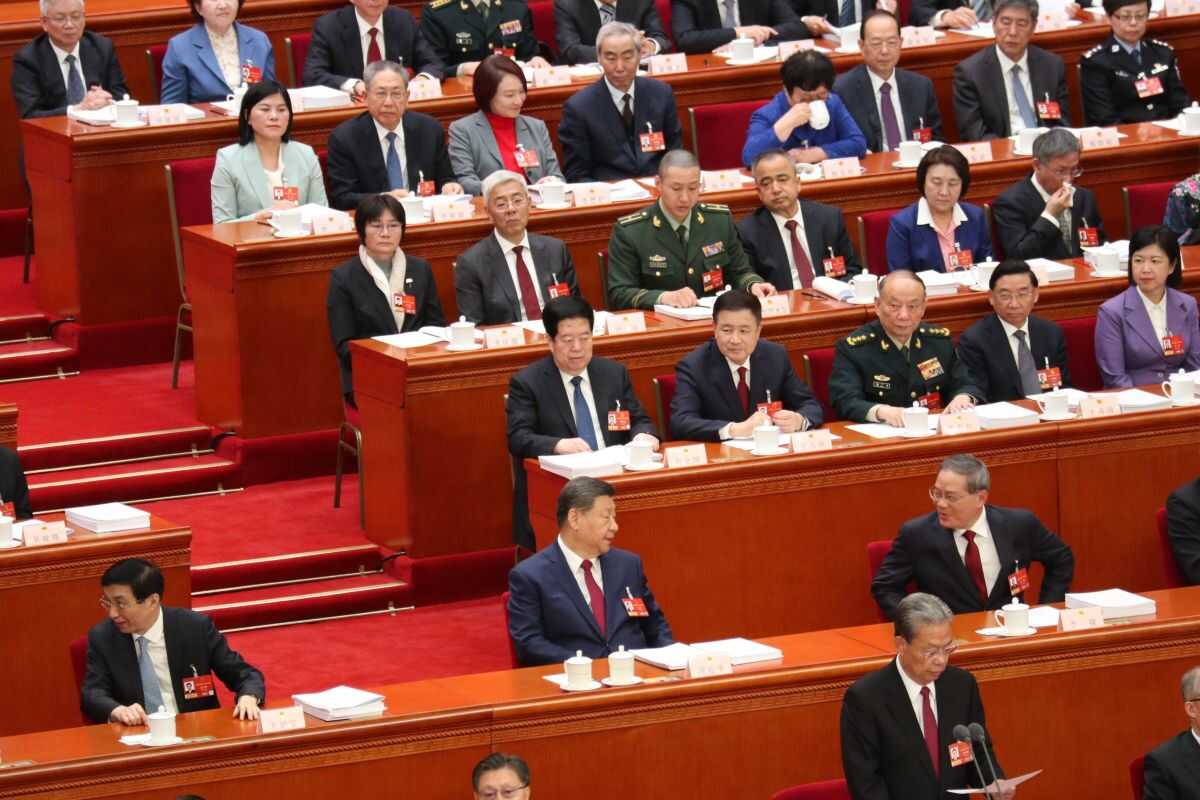
Beijing — The Chinese government will strengthen domestic demand to underpin the country’s economy in 2026. “In the face of a complex and challenging international environment, we must remain committed to a strategy of expanding domestic demand,” said Prime Minister Li Qiang at the opening of the National People’s Congress (NPC) at the Great Hall of the People in Beijing on Thursday. In a document circulated during the session, China lowered its 2026 economic growth target to between 4.5% and 5%, the lowest in three decades. “To boost the momentum of the domestic economy and ensure its reliable performance, this plan emphasises the need to raise living standards, increase spending and invest both in physical assets and in human capital,” Li added. These measures are expected to stimulate consumption, achieve a significant rise in household consumption as part of GDP, and broaden effective investment. “We must fully leverage the enormous strength of the domestic market. We should further develop a unified national market and remove local protectionism and market segmentation,” Li Qiang said. He noted that the Chinese government is taking steps to stimulate household consumption, including raising incomes for urban and rural residents and a range of practical measures to boost incomes for low‑income groups, property income, while refining the remuneration and social security systems. To promote wider and higher consumption of goods, the government will launch an ultra-long-term government bond of 250 billion RMB, to be allocated to a consumer goods trade‑in programme and other policies to be refined. There will also be a dedicated fiscal–monetary coordination fund of 100 billion RMB to facilitate the expansion of domestic demand through integrated measures such as loan interest subsidies, financing guarantees, and risk compensation. Spring and autumn holidays will be introduced for primary and secondary school students in eligible regions. A rotating paid leave system will also be implemented. “Consumer rights and interests will be better protected and we will improve the consumption environment for foreign tourists so that China becomes a preferred shopping destination,” the document said. There are also targeted initiatives to boost consumption with specific consumer groups, such as operating tourist trains for the elderly and other efforts to increase retail sales in the services sector by up to 5.5%. The government is also said to support cultural production such as film, TV programmes, animation, and theatre, and to extend opening hours at popular museums, cultural venues, and tourist sites, thereby supporting the organisation of recreational sporting events. The number of foreign visitors to China is said to have reached 154.5 million last year, with tourist expenditure at $131.1 billion. “In addition, we have refined the departure tax refund policy, with eligible goods for tax refunds sold to tourists leaving China nearly doubling,” Li said.