
China states readiness to cooperate in safeguarding global energy security
Beijing (ANTARA) - The Chinese government has stated that it will continue to work with various parties to safeguard global energy security amid the uncertain situation in the Strait of Hormuz, which is disrupting international supplies of refined oil and LNG.
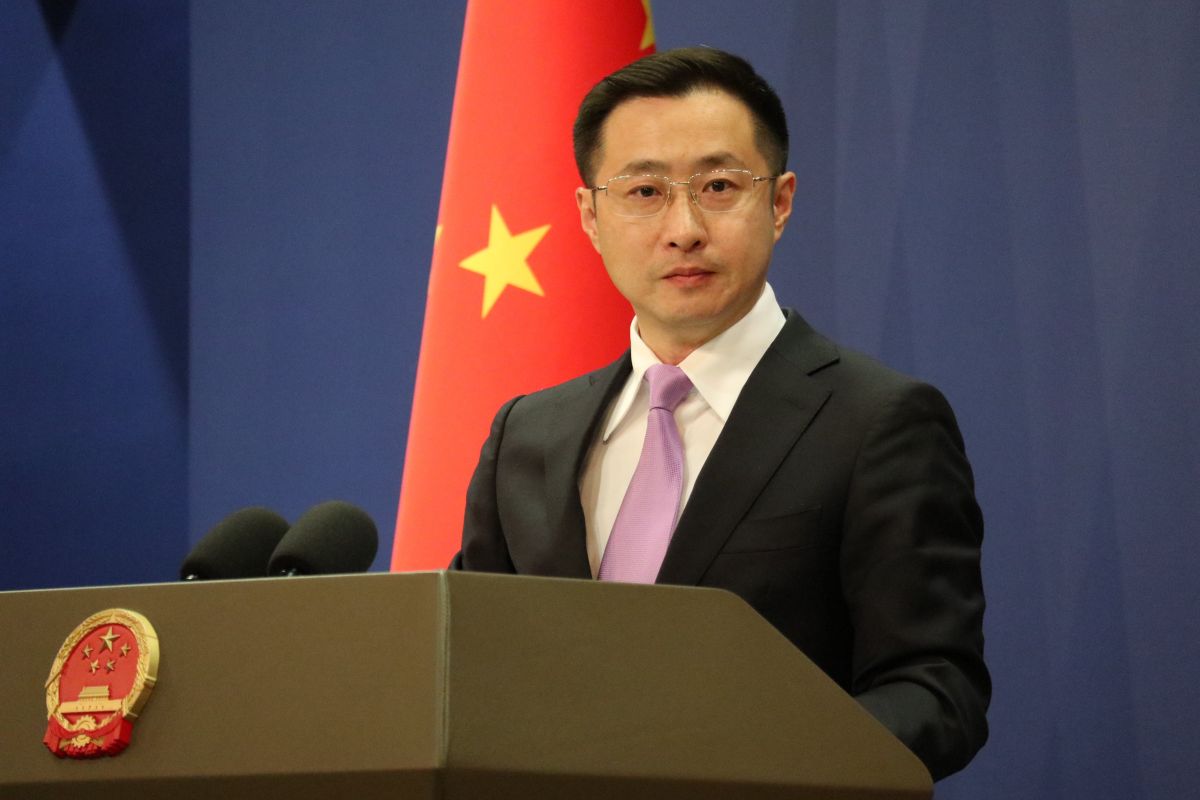
“China is ready to maintain communication with all parties to jointly safeguard global energy security and maintain the stability of industrial and supply chains,” said spokesperson for the Chinese Foreign Ministry Lin Jian during a press conference in Beijing on Wednesday (29/4).
It was previously reported that China has approved the export of 500,000 metric tonnes of fuel for May to regions outside Hong Kong. This figure is nearly double the estimated shipments in April, although it remains less than half the average for the same period last year.
Nevertheless, China has been tightening fuel exports since March to protect its domestic market from supply disruptions of crude oil and fuel caused by the closure of the Strait of Hormuz due to the conflict between the US-Israel and Iran.
“The conflict in the Middle East is pressuring global fuel supplies. Many countries are feeling the impact. The key to fundamentally resolving this issue is to prevent the recurrence of open conflict by all means,” Lin Jian stated.
Lin Jian also urged the conflicting parties to achieve a comprehensive and lasting ceasefire and to curb any new disturbances that could further impact the global economy.
Asia-Pacific countries such as Australia, Bangladesh, Cambodia, Laos, Maldives, Myanmar, New Zealand, and Sri Lanka are reported to receive fuel supplies from China in May, with Beijing determining the volume and destinations of the shipments.
The slight increase in shipment volume follows lobbying by Chinese state oil companies to continue some overseas sales.
Moreover, in recent weeks, rising domestic fuel prices have led to weakened demand, partly due to the use of electric vehicles, which reduces pressure on domestic petrol demand, while export demand has experienced a sharp rise.
More than half of the 500,000 tonnes of approved refined oil is allocated to the major state-owned refiner Sinopec, while PetroChina is permitted to export 150,000 tonnes and CNOOC 40,000 tonnes. Diesel and jet fuel are likely to account for at least 40 per cent of the total volume.
As the world’s largest oil importer, China has focused on energy resilience for years. This strategy relies on diversifying oil suppliers and massive investments in domestic production and reserves, positioning China more strongly than its neighbours in facing energy supply crises.
China also acted swiftly to protect domestic consumers by restricting fuel exports, at a time when oil-importing countries in Southeast Asia, such as the Philippines and Vietnam, are struggling with severe supply shortages.