
China Sets Accuracy Standard for EV Battery Health Indicators
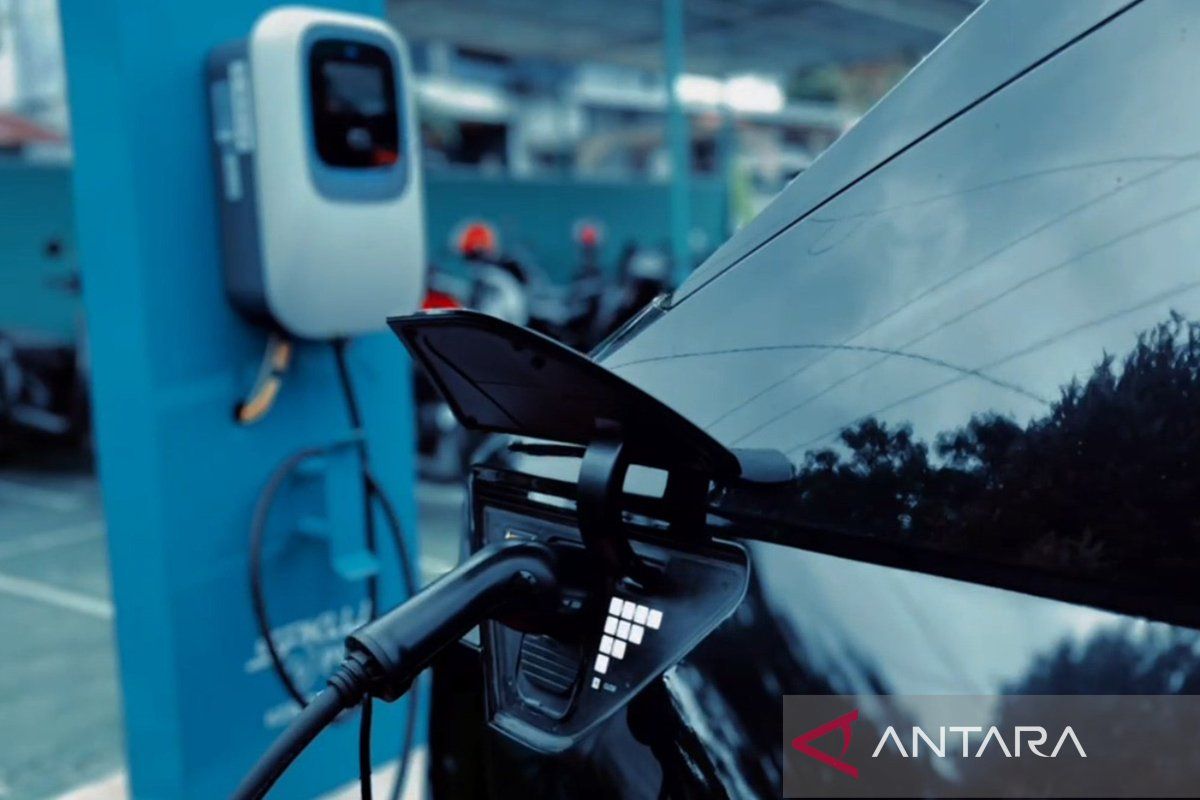
China has revealed detailed implementation requirements for the recommended national standard GB/T 46991.1-2025, which governs the accuracy and durability of battery health display systems for light passenger electric vehicles. The document sets limits on the difference between the available energy status displayed on the vehicle’s instrument panel and the actual measurement results. Additionally, this standard establishes battery durability benchmarks based on vehicle age and mileage. GB/T 46991.1-2025 was developed under the direction of China’s Ministry of Industry and Information Technology (MIIT) and the Standardisation Administration of China (SAC), with technical input from an expert drafting team led by Yu Yang. The standard applies to light passenger electric vehicles and is classified as a recommended national standard, not a mandatory safety regulation. One of the main provisions regulates the accuracy of battery health information displayed to the driver. The document defines State of Available Energy (SOCE) as the ratio between the energy currently available in the battery and the energy available when the vehicle’s battery was new. Unlike State of Charge (SOC), which indicates the remaining battery energy during vehicle use, SOCE is designed to reflect the battery’s ability to retain its capacity over the long term. According to the provisions, the relative deviation between the SOCE value displayed by the vehicle and the physical measurement result must not exceed five per cent. GB/T 46991.1-2025 also regulates battery energy consumption occurring outside normal driving conditions. The standard requires that power consumption when the vehicle is not being used for driving, including energy used by vehicle systems when parked or operating various accessories, be converted into Virtual Mileage. Virtual Mileage converts energy consumption outside driving activities into an equivalent distance based on the vehicle’s energy consumption rate. The displayed value must have a maximum relative deviation of three per cent compared to the measurement result. The document sets minimum SOCE retention levels for light passenger electric vehicles based on vehicle age and accumulated mileage. For a vehicle aged five years or 100,000 km, the minimum SOCE requirement is at least 82 per cent. For eight years or 160,000 km, it is at least 75 per cent, and for ten years or 200,000 km, it is at least 70 per cent. These figures indicate the remaining available energy compared to the initial energy capacity when the vehicle left the factory. The published information only applies to light passenger vehicles. The disclosure of this standard comes amid China’s ongoing efforts to develop various standards related to electric vehicle battery quality, recycling, safety, and lifecycle management. GB/T 46991.1-2025 focuses on battery health measurement, display accuracy, and durability evaluation. As a recommended national standard, it focuses on evaluation criteria and does not stipulate administrative sanctions, mandatory vehicle recalls, or published enforcement actions for vehicles exceeding the specified deviation limits. Battery condition has become an important factor in warranty discussions, used electric vehicle valuation, and long-term ownership considerations. By establishing SOCE accuracy measurement methods, Virtual Mileage calculation, and battery durability benchmarks, GB/T 46991.1-2025 provides a common reference for evaluating battery condition. The impact of this standard on used electric vehicle prices, warranty disputes, and consumer assessment practices will depend on how automotive manufacturers, testing institutions, and market participants implement these provisions in the long term.
Source: jawawa.id (https://jawawa.id/newsitem/china-sets-accuracy-standard-for-ev-battery-health-indicators-1785815652)
Originally published by Antara (Indonesian) (https://otomotif.antaranews.com/berita/5678753/china-tetapkan-standar-akurasi-indikator-kesehatan-baterai-ev), translated from Indonesian