
China Says Glacier Collapse in Nepal Triggered Flash Floods That Killed Hundreds
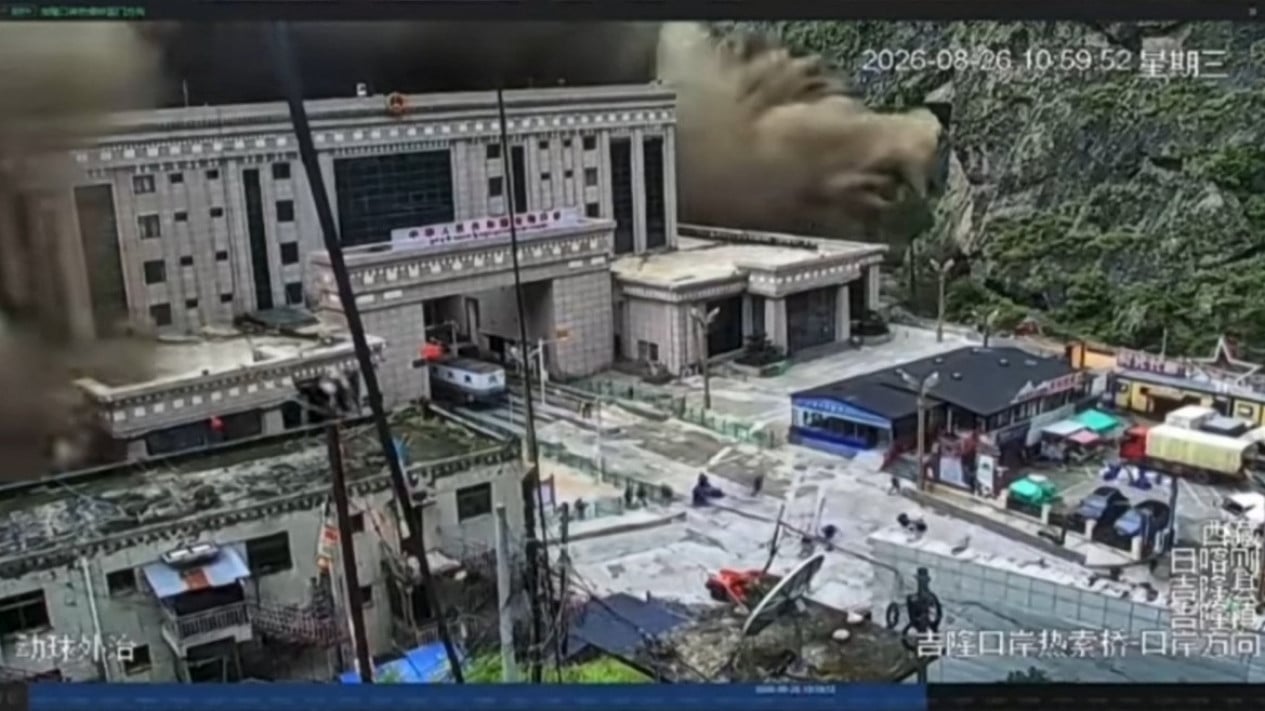
The Chinese government on Friday said the collapse of a glacier in the Nepalese highlands is suspected to have triggered the disaster on both sides of the border that killed at least 480 people.
“We note that experts and official institutions from China and Nepal have conducted a preliminary assessment of the cause of the disaster,” Chinese Foreign Ministry spokesman Lin Jian told reporters in Beijing when asked about the flash floods that struck northern and central Nepal and the southern Tibet region of China on Wednesday, 26 August 2026.
In addition, President Xi Jinping directed officials to make every effort to search for all Chinese citizens and foreign nationals who remain missing.
Floods and landslides struck northern and central Nepal, sweeping through settlements along the Bhotekoshi and Trishuli rivers and carrying people and debris downstream.
On the Chinese side of the border, mudslides hit Gyirong County in the southwestern Xizang Autonomous Region, also known as Tibet.
“The disaster was likely triggered by the collapse of a glacier in the Nepalese highlands,” Lin said.
The statement was issued by Beijing as the death toll from the devastating flash floods rose to 480, while more than 1,200 people, mostly foreign nationals, remain missing.
Nepalese police said the death toll from the flash floods had reached 475, while China confirmed five deaths.
New concerns emerged on Friday after a large barrier lake formed by the flash floods was reported to have burst and could trigger another surge of water into the Bhotekoshi River in Nepal, according to a report by the Kathmandu Post newspaper.
Beijing on Thursday, 27 August, warned that a lake near the confluence of the Chhochen Khola and Purepu Tsangpo rivers had “already overflowed” and was at high risk of bursting.
The two rivers merge before entering Nepal, where the flow is known as the Bhotekoshi River, a major tributary of the Trishuli River.
“Information has been received that the lake on the Chinese side has burst. Therefore, preparations are being made to dispatch helicopters stationed in Dhunche and Rasuwa to conduct reconnaissance,” said a rescue official at Tribhuvan International Airport in Nepal.