
China responds to US and EU concerns over Ethnic Unity Law
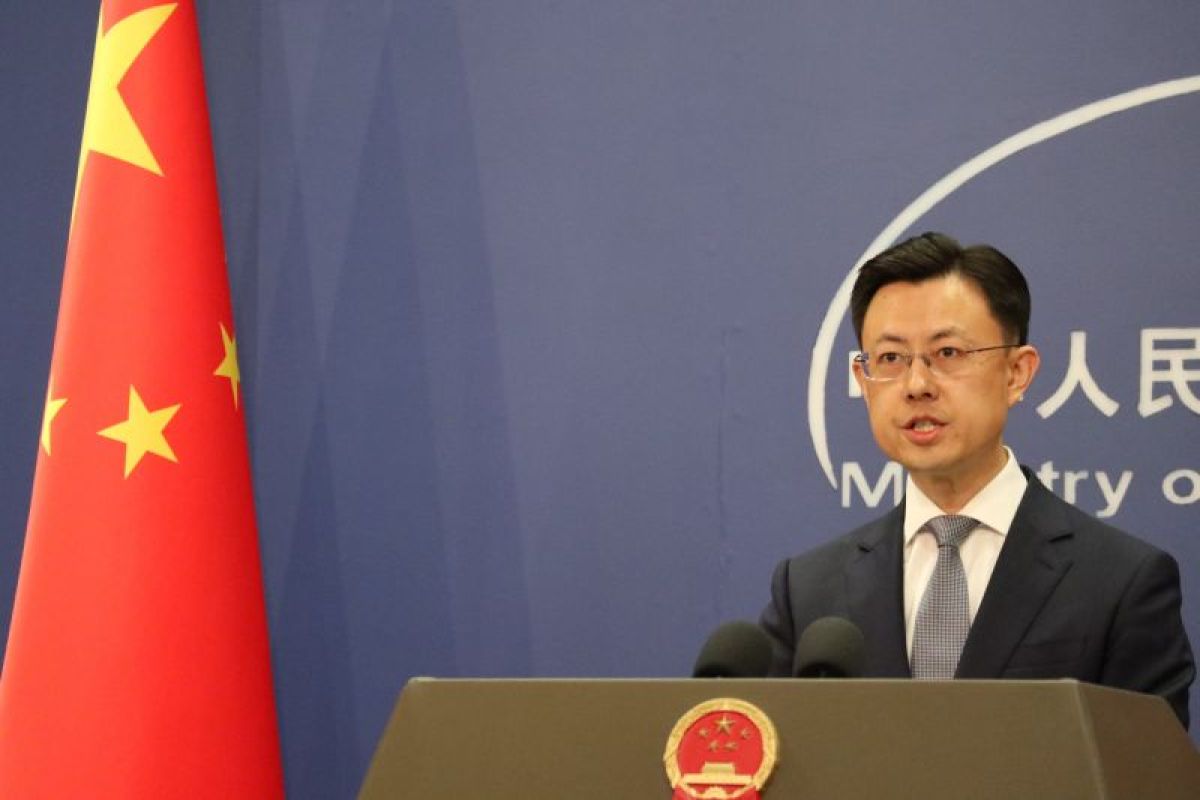
The Chinese Foreign Ministry has stressed that the purpose of the newly implemented Ethnic Unity and Progress Promotion Law is to enable various ethnic groups in China to help one another. “We wish to emphasise that China is a multi-ethnic country where all ethnic groups are equal and united in harmonious relations of mutual assistance,” said Chinese Foreign Ministry Spokesperson Guo Jiakun at a press conference in Beijing on Friday. The Ethnic Unity and Progress Promotion Law comes into effect on 1 July 2026, following its approval during a session of the National People’s Congress (NPC), with the aim of enhancing cohesion and shared prosperity among all 56 ethnic groups in China. The Chinese government states that the population of the country’s 55 ethnic minorities, aside from the Han ethnic group, has surpassed 125 million based on the 2020 census. However, in a statement, a European Union spokesperson said the law could further restrict the cultural, language, and religious rights of ethnic minorities. Meanwhile, in a separate statement, a US State Department spokesperson described the law as “problematic” for compelling individuals outside mainland China to “actively promote the Chinese Communist Party’s ‘ethnic unity’ agenda or face retaliation from Chinese authorities.” “Strengthening the rule of law is beneficial for protecting the rights and legitimate interests of all ethnic groups and enhancing ethnic unity,” Guo Jiakun added. The Chinese government, according to Guo Jiakun, attaches great importance to preserving the cultures of ethnic minorities and legally protects the rights of all ethnic groups to use and develop their own spoken and written languages. “Our practices and achievements in this field have been widely recognised by the international community. Certain countries, trapped in ideological prejudice and driven by political manipulation, choose to turn a blind eye to China’s progress in socio-economic development and human rights protection,” Guo Jiakun asserted. Instead, he said, they take matters out of context, deliberately slander China’s ethnic policies, and fabricate and spread misinformation. “By grossly interfering in China’s internal affairs, they seek to undermine China’s ethnic unity. We firmly reject such actions,” Guo Jiakun stated. The law stipulates that upholding national unity and ethnic solidarity is the duty of all Chinese citizens and prohibits discrimination and oppression against any ethnic group. It also combats violent terrorism, ethnic separatism, and religious extremism, and stipulates criminal accountability for those who plot, perpetrate, incite, or fund such activities. The legislation also establishes measures to support cultural integration, social intermixing, and economic development in ethnic minority regions. Specific provisions direct central and local governments to strengthen infrastructure, promote industrial growth, ensure better access to public services, and enhance environmental protection efforts, among other measures. This is because many ethnic minority communities reside in mountainous, remote, or historically underdeveloped parts of China. The Chinese government notes that through 18 years of absolute poverty alleviation efforts, China has been free from absolute poverty since 2021, with all 420 impoverished counties in provincial-level regions predominantly inhabited by ethnic minorities from 28 groups having been lifted out of poverty, including in the Inner Mongolia Autonomous Region, Guangxi Zhuang Autonomous Region, Xizang Autonomous Region, Ningxia Hui Autonomous Region, and Xinjiang Uygur Autonomous Region. The law also stipulates that the state shall promote the standard spoken and written Chinese language, while respecting and protecting the rights of ethnic minorities to learn and use their own spoken and written languages. However, the UN Special Rapporteur for Minority Rights and Cultural Rights has said the law has been used to justify forced assimilation in regions such as Tibet and Xinjiang, rather than promoting ethnic harmony. Article 63 of the law states that “organisations and individuals outside mainland China who commit crimes aimed at undermining ethnic unity and progress or creating ethnic division shall be held legally accountable in accordance with the law.”