
China Reshapes Global Oil Trade Map, Middle East Remains King
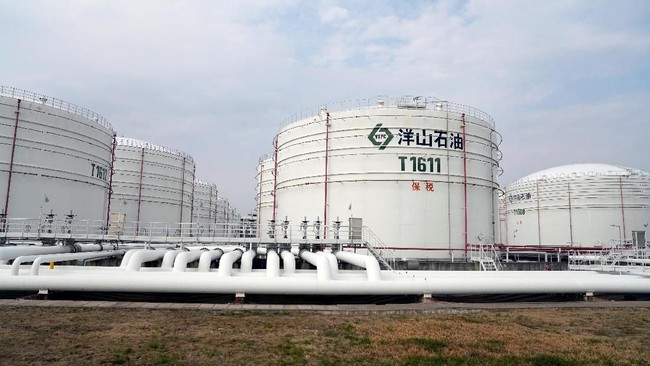
The centre of the world’s crude oil trade has shifted over the last three decades. While in the 1990s trade flows were largely determined by developed nations in Europe and North America, Asia has now become the primary engine of global demand.
According to OPEC, the U.S. Energy Information Administration (EIA), and the UN Comtrade Database, this change has occurred alongside a surge in energy consumption in China and India.
China now holds the position of the world’s largest crude oil importer. In 2025, the country’s net imports reached 11.5 million barrels per day (mbpd). This figure represents a sharp increase compared to the mid-1990s, when China’s oil imports were barely visible in global trade. The growth of the manufacturing industry, urbanisation, and increased energy consumption have caused China’s oil requirements to rise steadily for nearly three decades.
India is following a similar trend. The country’s net crude oil imports rose from approximately 0.8 million barrels per day in the early 1990s to 5 million barrels per day in 2025. The rise in consumption from the world’s two most populous nations has altered the direction of international oil trade. Export flows that previously moved largely towards Western nations are now increasingly concentrated towards the Asian region.
A major change has also occurred in North America. According to Visual Capitalist, the region was once one of the world’s largest oil importers in the early 1990s. This situation changed after the rapid development of shale oil production in the United States. Increased domestic production, combined with supplies from Canada, has turned North America into a net oil exporter since 2019. By 2025, the region’s net exports had reached 2.5 million barrels per day.
Although the centre of demand has shifted to Asia, the Middle East maintains its position as the world’s primary supplier of crude oil. In 2025, the region’s net exports reached 16.3 million barrels per day. This volume remains far greater than that of the CIS countries, which recorded 6.2 million barrels per day, or Africa, which recorded 4.6 million barrels per day.
This shift in trade flows demonstrates that the balance of the global oil market is now increasingly influenced by Asian economic growth.
As energy needs in China and India continue to grow, the region is expected to remain the primary destination for global oil exports. Meanwhile, the Middle East continues to hold its role as the largest supplier, while North America is further consolidating its position as one of the new supply sources in the international market.
Source: jawawa.id (https://jawawa.id/newsitem/china-reshapes-global-oil-trade-map-middle-east-remains-king-1783234238)
Originally published by CNBC Indonesia (https://www.cnbcindonesia.com/research/20260705100220-128-748125/china-ubah-peta-perdagangan-minyak-dunia-timur-tengah-tetap-jadi-raja), translated from Indonesian