
China Releases Over 150 Billion Aquatic Seedlings Between 2021 and 2025
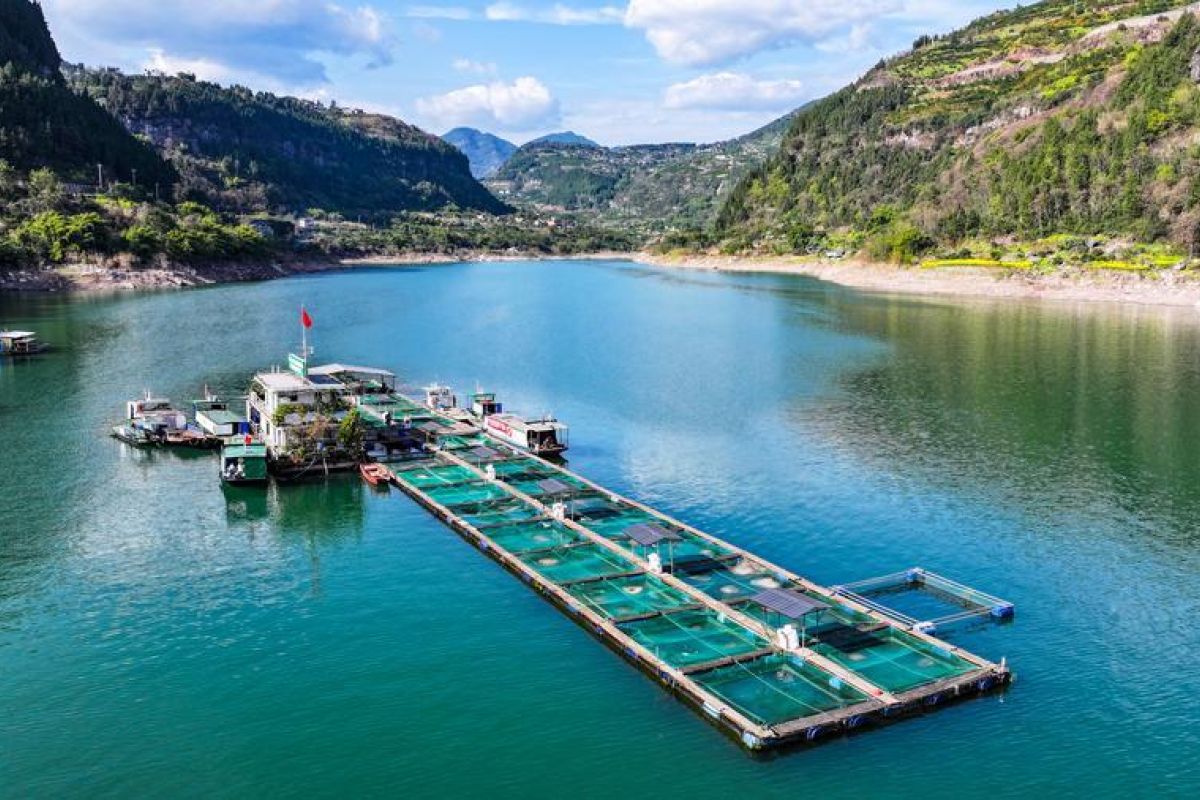
China released more than 150 billion aquatic seedlings of various species into its rivers, lakes, and seas during the 2021-2025 period, a move deemed to deliver significant ecological, economic, and social benefits, according to a senior agriculture official. The release of artificially bred aquatic seedlings into natural waters is a globally recognised practice for conserving aquatic resources, restoring aquatic ecosystems, and protecting biodiversity, Zhang Zhili, China’s vice minister of agriculture and rural affairs, stated at a recent stocking event. Experts say the practice is crucial for restoring declining aquatic populations while maintaining the health of aquatic ecosystems. It can also enhance fishery resources, particularly when conducted during fishing moratoriums, and support rural economic growth through recreational fishing and tourism. The benefits are already evident. More than 90 per cent of China’s shrimp caught in the Bohai Sea originate from stocked populations, whilst over 30 per cent of large yellow croaker caught in the East China Sea are artificially bred fish, Zhang said. Zhang also revealed that more than 12 per cent of Chinese sturgeon released into the Yangtze River Basin successfully reach the sea. In Xinjiang, the big-head schizothoracin fish species has for the first time re-established a natural population in Bosten Lake after more than two decades. Currently, China’s four main coastal seas are implementing seasonal fishing bans, whilst seven major inland river systems are also enforcing synchronised fishing moratoriums. This period is considered a critical time for aquatic biota to grow and reproduce. Since 5 June, more than 200 regions across China have organised stocking activities, with over 500 million aquatic seedlings of various species released, marking the 12th consecutive year of such conservation efforts.