
China Rejects New US Tariffs
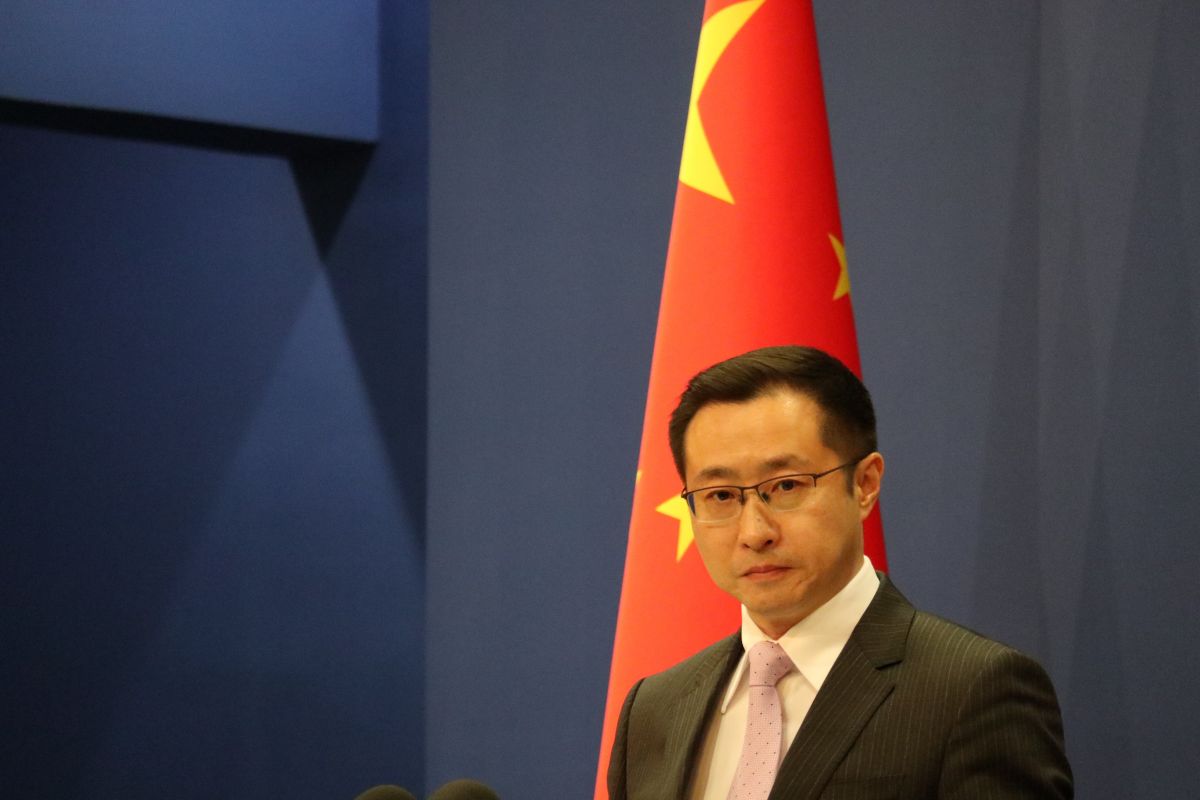
Beijing (ANTARA) - The Chinese government has firmly opposed the new trade tariffs imposed by the United States. “China’s position on China-US economic and trade issues is consistent and clear. We oppose all forms of unilateral tariffs,” Foreign Ministry Spokesperson Lin Jian said at a press conference in Beijing on Friday.
The United States will begin imposing new tariffs of 10 to 12.5 percent on imports from 60 major trading partners, including China, Japan, and the European Union, starting Friday (24/7). The US government stated the policy was adopted because these countries were deemed not strict enough in banning imports of goods produced using forced labour.
“A tariff war and a trade war benefit no one,” Lin Jian stressed. However, Lin Jian did not disclose whether China would take retaliatory measures in response to the new tariffs. The announcement of the new US tariffs came a day before the 10 percent global tariff imposed by President Donald Trump in February was set to expire. The temporary tariff was implemented after the US Supreme Court struck down the previous reciprocal tariff policy, which included fentanyl-related levies on products from China, Canada, and Mexico.
According to the Office of the United States Trade Representative, the countries targeted by the new tariffs account for approximately 99 percent of total US imports. Unlike US allies, China did not receive special treatment, meaning the new 12.5 percent tariff will be added on top of existing duties. Besides China, Japan, and the EU, the tariffs also apply to Australia, Indonesia, the Philippines, Switzerland, Taiwan, and Thailand. The tariff rate is determined based on the assessed level of suspected forced labour usage according to the US government’s evaluation.
While most partner countries will face a 12.5 percent tariff, around 20 countries, including the United Kingdom, Indonesia, Malaysia, and Mexico, will only be subject to a 10 percent tariff. This is because they are considered to have taken stronger legal steps to prevent the import of goods suspected of being produced through forced labour. In the Asian region, the United States is applying higher tariffs to Japan and South Korea. However, goods from these two countries that have already been subject to tariffs of 12.5 percent or more will be exempt from the additional levy.
Furthermore, the new tariffs do not apply to products already subject to sectoral tariffs, such as automobiles and steel, which were previously imposed by Trump on national security grounds. The Trump administration initiated the trade investigation based on the view that many US trading partners cut costs by using forced labour. Washington is also examining what it considers unfair practices related to industrial overcapacity in 16 economies, including China, India, Japan, Vietnam, and the European Union.