
China Protests PM Takaichi's Tribute to Yasukuni Shrine
Beijing (ANTARA) - The Chinese government has strongly protested the actions of the Japanese Prime Minister in sending a ritual offering to the Yasukuni Shrine in Tokyo, which is regarded as a symbol of reverence for wartime militarism.
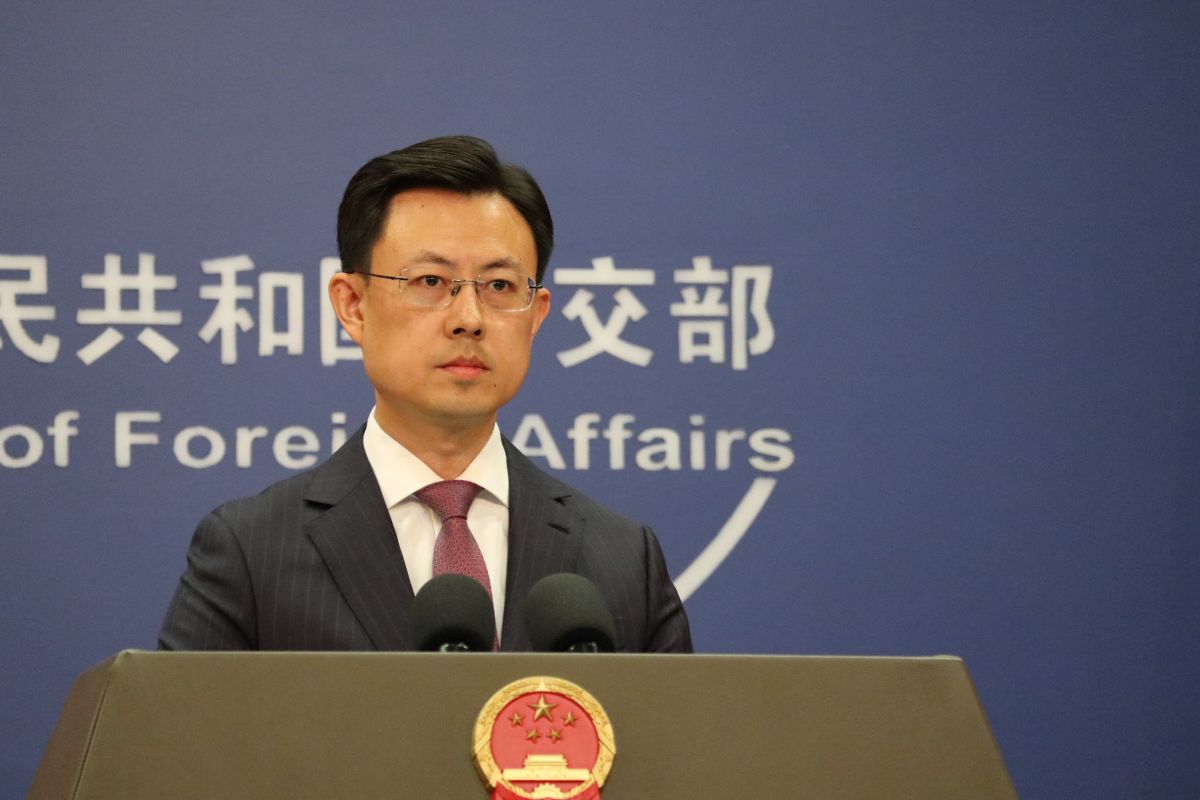
“China firmly opposes and strongly condemns Japan’s latest negative actions related to the Yasukuni War Shrine, and we have lodged a serious and strong protest with the Japanese side,” said Spokesperson for the Chinese Foreign Ministry Guo Jiakun during a press conference in Beijing on Tuesday (21/4).
Japanese Prime Minister Sanae Takaichi sent a ritual offering in the form of a masakaki tree branch (a type of fir) to the Yasukuni Shrine on Tuesday (21/4), coinciding with the start of the three-day spring festival at the shrine.
This follows the practice carried out by previous Japanese prime ministers in recent years. Among those who made similar offerings were Lower House Speaker Eisuke Mori and Upper House President Masakazu Sekiguchi.
Regarding whether she would visit the shrine, PM Takaichi stated that it was a “personal” matter and declined to comment further.
“The Yasukuni Shrine is a spiritual instrument and symbol for the Japanese militarists responsible for the war of aggression. In fact, it is a shrine for war criminals,” Guo Jiakun stated.
This year marks the 80th anniversary of the start of the Tokyo Tribunal. Over more than 2.5 years, judges from 11 countries tried war cases related to Japan and exposed Japan’s horrific war crimes.
“However, what truly provokes our anger is that 80 years later, the notorious Yasukuni War Shrine still glorifies Japan’s Class-A war criminals who were convicted, while Japanese officials and politicians continue to visit, send ritual offerings, or donate money to this war shrine,” Guo Jiakun explained.
Such actions, according to Guo Jiakun, are attempts to evade war responsibility, an insult to justice, a provocation to Japanese war victims, and a challenge to the results of the Allied victory in World War II.
“Such actions have been widely condemned and firmly rejected by the international community, and Japan must conduct serious self-reflection. Will Japan continue to allow the shadow of militarism to spread?” Guo Jiakun added.
While serving as a minister, PM Takaichi regularly visited the shrine during its spring and autumn festivals, as well as on 15 August, commemorated as the day of Japan’s surrender that ended World War II.
The Yasukuni Shrine in central Tokyo has long been a controversial site because it is a place of reverence for the spirits of approximately 2.5 million people who died in various wars involving Japan since 1853, such as the Boshin War, Satsuma Rebellion, Sino-Japanese and Russo-Japanese Wars, World War I, the Manchurian Incident, the Korean War, and the Greater East Asia War (World War II).
Among that number are 14 Class-A war criminals who, according to the Chinese government, were convicted by the International Military Tribunal for the Far East, as well as 1,054 Class-B and Class-C war criminals from the Tokyo Trials who are also enshrined there.
The Yasukuni Shrine itself was established in the second year of the Meiji era (1869) by order of Emperor Meiji under the name Shokonsha and was renamed Yasukuni Jinja in 1879.
The name “Yasukuni” means preserving peace for the entire nation, and the shrine was founded to commemorate and honour those who sacrificed their lives for the country.
Around five million people visit the shrine each year as a main site to remember those who fell in war.
The last visit to the Yasukuni Shrine by a sitting Japanese prime minister occurred in December 2013, by Shinzo Abe, the former Japanese PM known as Takaichi’s political mentor.