
China proposes tighter rules for new vehicle technologies
China’s Ministry of Industry and Information Technology (MIIT) has proposed draft regulations on new vehicle technologies and invited public feedback.
Carnewschina reported on Sunday (11 October), local time, that the proposals cover vehicle safety, operation and user interfaces, with particular attention to “levitating Zero-G” seats, infotainment screens, and user-defined messages displayed on headlights and rear lights.
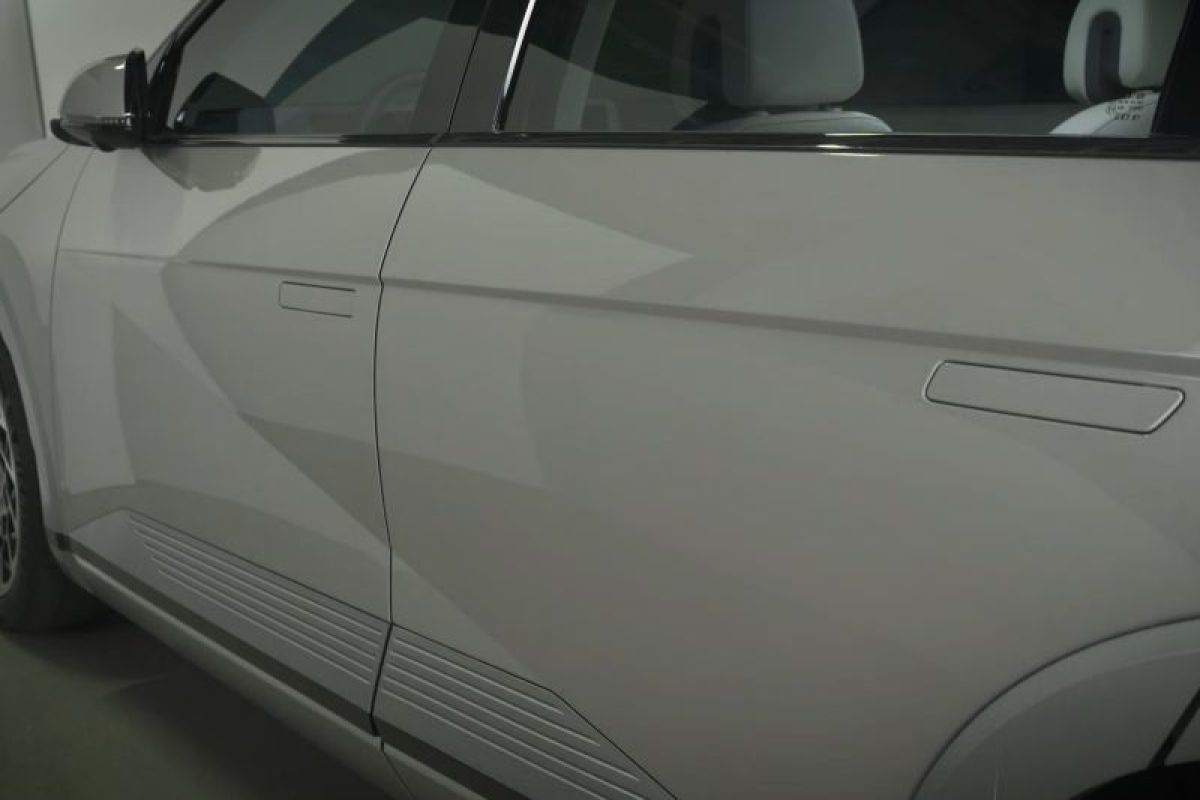
MIIT has also reiterated its draft proposal on mechanical door handles, first published in late 2025 after a series of widely publicised accidents involving the Xiaomi SU7.
One section of the draft focuses on cabin seats and proposes stricter crash, anti-pinch and reliability testing for “innovative” seat functions. Zero-G seats, rotating seats and seats that fold flat are cited as examples.
Another section addresses in-vehicle display devices, including centrally mounted infotainment screens, screens with a “large surface area”, and complex head-up display (HUD) systems.
The ministry is asking carmakers to assess the effects these screens may have on drivers, as well as their reliability and safety in collisions and extreme conditions.
The draft also proposes new rules on vehicle lighting, focusing on lighting units, prominent lighting devices, and user-defined messages displayed on headlights and rear lights.
Some new energy vehicle (NEV) models now offer matrix LED lighting technology that allows users to project images and text from their cars.
MIIT is recommending that carmakers moderate content displayed by vehicle lighting units and monitor text created by drivers.
The proposed restrictions are not unprecedented in China. Many Android smartphones sold in the country already use filtering and checking mechanisms in their operating systems, preventing users from choosing names containing sensitive keywords for Wi-Fi hotspots and Bluetooth connections.
MIIT previously published diagrams of what it considers “ideal” door handles and set out several recommended designs for exterior and interior handles.
The latest draft also covers door handles with “innovative designs”, asking carmakers to verify their reliability and safety under extreme conditions.
It would also require new designs to incorporate redundant mechanical linkages and ensure there is sufficient space for manual operation.