
China hosts Pakistan-Afghanistan negotiations
Beijing (ANTARA) - The Chinese government hosted an informal trilateral meeting with Afghanistan and Pakistan in Urumqi, Xinjiang Uyghur Autonomous Region, from 1-7 April 2026 to discuss relations between the three countries that had heated up along the border.
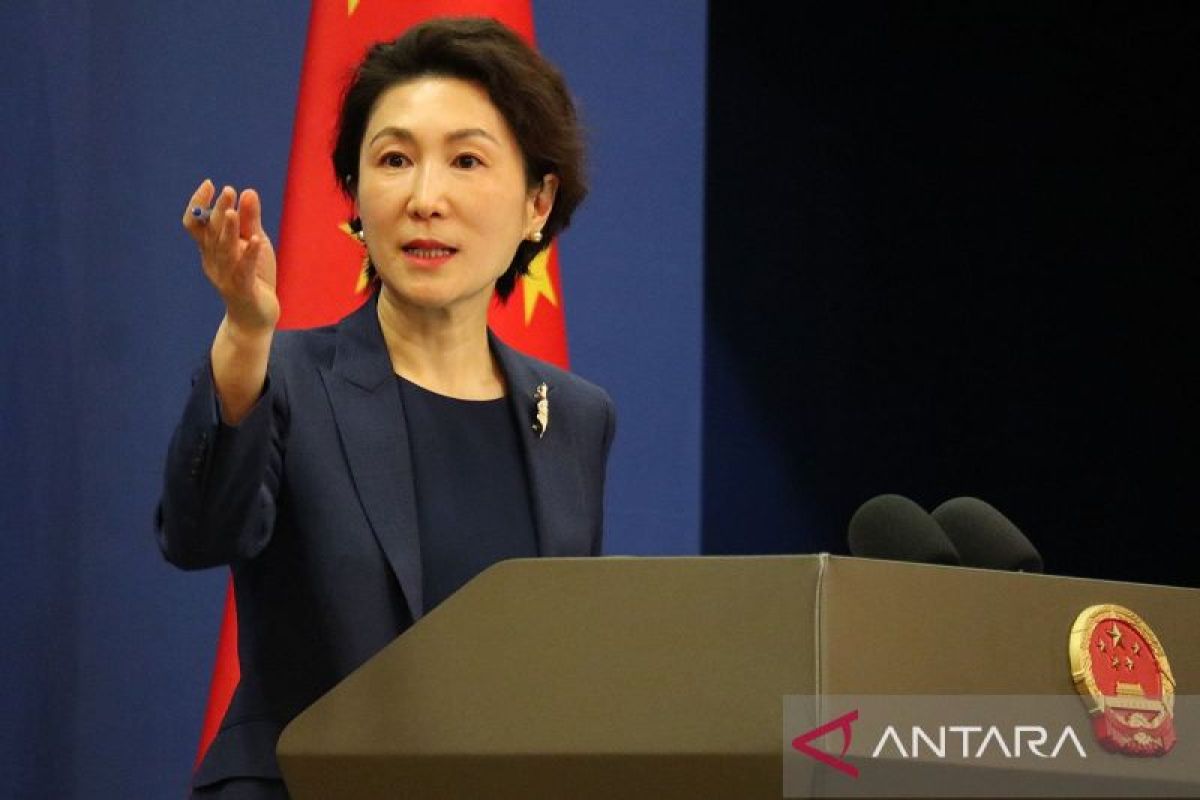
“Representatives from the three countries held informal talks for a week in Urumqi, Xinjiang, from 1-7 April. Cross-departmental delegations from all three sides, including representatives from authorities responsible for foreign affairs, defence, and security, participated in the meeting,” said Spokesperson for the Chinese Ministry of Foreign Affairs Mao Ning in Beijing on Wednesday (8/4).
Mao Ning stated that the talks were based on an agreement between Chinese Foreign Minister Wang Yi, Pakistani Deputy Prime Minister and Foreign Minister Mohammad Ishaq Dar, and Afghan Foreign Minister Amir Khan Muttaqi.
The informal meeting was led by Director of the Department of Asian Affairs at the Chinese Ministry of Foreign Affairs Liu Jinsong, Special Envoy for Afghan Affairs Yue Xiaoyong, Head of the Administrative Office of the Afghan Ministry of Foreign Affairs Wahidullah Wahid, and Assistant Secretary of the Pakistani Ministry of Foreign Affairs Syed Ali Asad Gillani. Also present was Head of the Propaganda Department of the Xinjiang Uyghur Autonomous Region Party Committee Wang Jianxin.
“The discussions were frank, pragmatic, and proceeded in a good atmosphere, demonstrating that the talks followed a problem-solving approach, aimed at achieving results, and policy implementation,” Mao Ning revealed.
Afghanistan and Pakistan, Mao Ning explained, reaffirmed their adherence to the purposes and spirit of the UN Charter and the “Five Principles of Peaceful Coexistence”, remaining committed to resolving differences as soon as possible, striving to restore Afghanistan-Pakistan relations, and agreeing to refrain from actions that could escalate or complicate the situation.
Meanwhile, China expressed its willingness to maintain communication with both sides, provide a platform for dialogue, and continue to play a constructive role in developing Afghanistan-Pakistan relations and enhancing practical trilateral cooperation among the three countries.
“We summarised the talks and common understandings, namely that Afghanistan and Pakistan reaffirmed that the two countries are Muslim brothers and neighbours. The three parties believe that amid the turbulent and changing international and regional situation, maintaining friendly relations between Afghanistan and Pakistan is vital for the people of both countries as well as for peace and stability in South Asia,” Mao Ning clarified.
The three parties, Mao Ning added, also emphasised that dialogue and consultation are viable and effective ways to resolve complex international disputes, including those between Afghanistan and Pakistan.
“We agreed to discuss a comprehensive plan to address issues in relations between Afghanistan and Pakistan, and to identify core and priority issues. China emphasised that terrorism is the core issue affecting Afghanistan-Pakistan relations,” Mao Ning added.
The three also believe that the Urumqi process is substantive, and agreed to maintain communication and dialogue regarding the process.
On 26 February 2026, Afghanistan launched a military operation against Pakistani bases along the Durand Line, the border between Afghanistan and Pakistan not recognised by Kabul, in retaliation for a bombing action.
Pakistan then announced the launch of Operation Ghazab lil Haq in response to what it called “unprovoked firing” by Afghanistan in several border sectors.
Then in early March, Pakistan launched airstrikes against suspected militant hideouts in Nangarhar and Paktika provinces in Afghanistan. According to Afghan authorities, dozens of civilians were killed and injured in the strikes.
Since late February, cross-border clashes have killed 107 people on both sides, including 13 soldiers and five civilians in Pakistan, with one soldier still missing. According to Kabul, 13 soldiers and 476 civilians have been killed and 250 people injured in Afghanistan.
According to UN data, 185 civilian casualties, including 56 deaths from indirect fire and airstrikes, were reported in Afghanistan between 26 February and 5 March.
Then on 18 March 2026, Afghanistan and Pakistan announced a temporary cessation of fighting starting Wednesday night to celebrate Eid al-Fitr until 23 March night.