
China expresses regret at UN nuclear disarmament talks deadlock
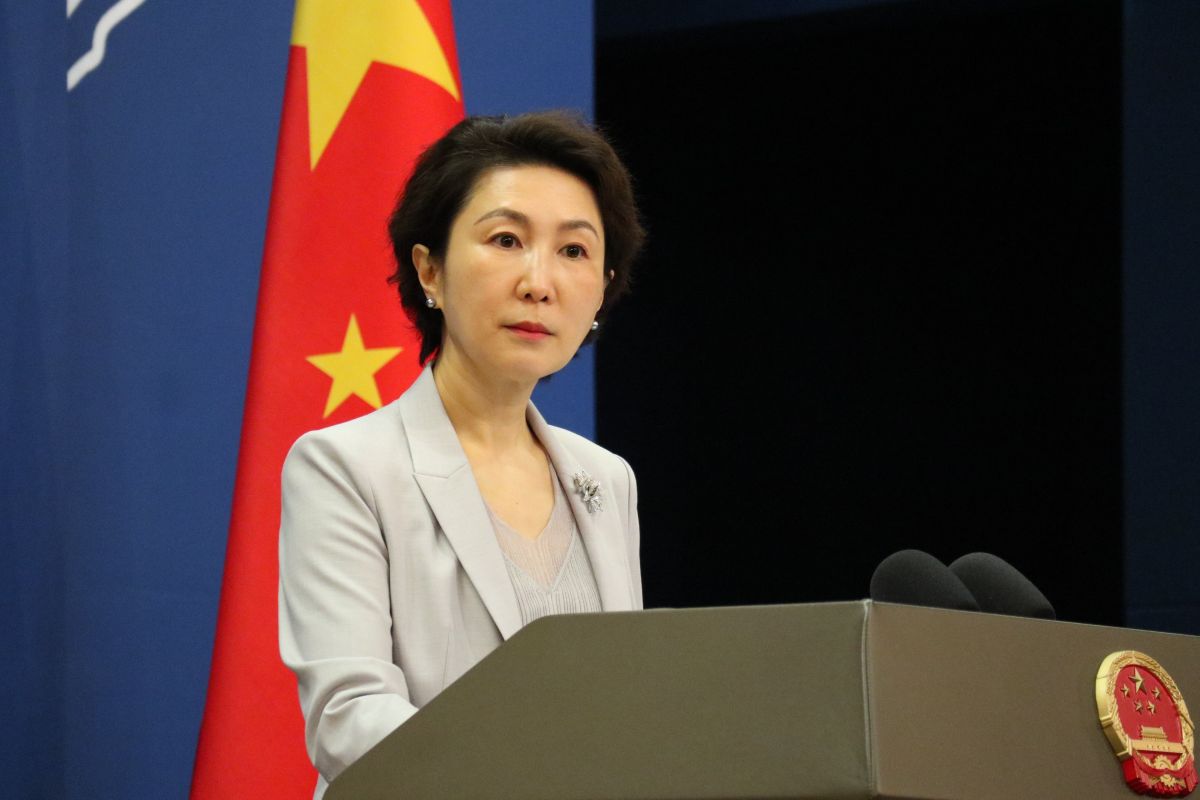
The Chinese government expressed regret at the failure of the 2026 Nuclear Non-Proliferation Treaty (NPT) Review Conference to reach a consensus at the UN headquarters in New York on 22 May 2026. The 11th NPT Review Conference was held amid severe disruptions to global strategic balance and stability, with multilateral arms control processes increasingly politicised, bloc-based, and fragmented. China regretted the conference’s failure to reach consensus,” said Chinese Foreign Ministry spokesperson Mao Ning in a press conference in Beijing on Monday. The conference took place at the UN headquarters from 27 April to 22 May 2026. Indonesia served as Coordinator of the Non-Aligned Movement (NAM), representing 118 member states to ensure balanced implementation of the NPT’s three pillars: nuclear disarmament, non-proliferation, and peaceful use of nuclear energy. “China believes the NPT remains the cornerstone of the international non-proliferation and nuclear disarmament regime. The treaty is an irreplaceable pillar in post-World War II international security architecture, making it vital for all nations to steadfastly support its objectives and goals,” Mao Ning added. China, Mao Ning stated, places great importance on the treaty and supports its universality, effectiveness, and authority. “China’s delegation participated actively and constructively in the review conference with a spirit of solidarity and coordination,” Mao Ning said. Mao Ning called on all states to uphold genuine multilateralism and a shared security concept, improve international and regional security environments, earnestly maintain global strategic stability, eliminate the root causes of nuclear proliferation, and create more conducive conditions for the regular advancement of nuclear disarmament. Other proposals include resolving critical nuclear non-proliferation issues through peaceful dialogue and negotiation, firmly defending all nations’ legitimate rights and interests in peaceful nuclear energy use, and fully leveraging the NPT’s vital role for peace and development. The 11th Review Conference took place amid rising global nuclear risks, including arms modernisation, potential nuclear testing, and the use of new technologies like artificial intelligence in nuclear command and control systems. Currently, over 12,000 nuclear warheads are still maintained by several countries. At the closing session, Indonesia expressed disappointment over the lack of a substantive final document, stressing that nuclear disarmament is not an abstract agenda but a concrete necessity for global peace, stability, and security. Indonesia also affirmed that non-nuclear-weapon states have strictly adhered to their non-proliferation obligations under the NPT, while urging nuclear-armed states to take concrete steps in fulfilling their disarmament duties under Article VI of the treaty. The Nuclear Non-Proliferation Treaty (NPT) entered into force in 1970 and was extended indefinitely in 1995. Under the treaty, nuclear-armed states are prohibited from transferring ownership or control of nuclear weapons or other nuclear explosive devices to recipient states, and from assisting, encouraging, or inducing non-nuclear-weapon states to produce, acquire, or control such weapons or devices. Currently, nine countries possess nuclear weapons: the United States, Russia, China, France, the United Kingdom, Pakistan, India, Israel, and North Korea. The NPT also stipulates that non-nuclear-weapon states must not receive transfers or control of nuclear weapons or explosive devices, nor produce or acquire them, and must not seek or receive assistance in this regard. Non-nuclear-weapon states also pledged to accept International Atomic Energy Agency (IAEA) safeguards on all special fissile materials in peaceful nuclear activities within their territories or under their jurisdiction, to prevent diversion from peaceful to nuclear weapons purposes.