
China Devastated by Massive Floods, 2 Million Dead—Economic Hubs Paralysed
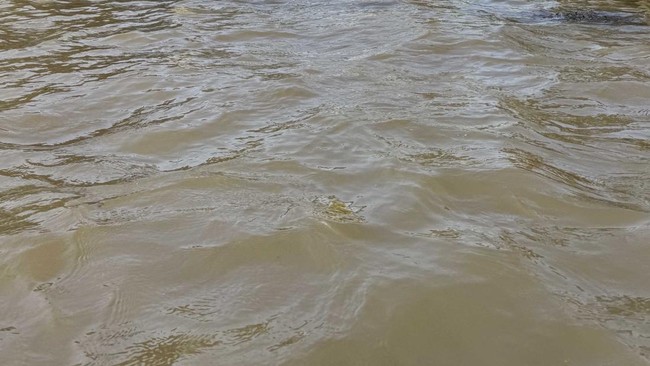
Heavy rainfall accompanied by the breaching of embankments has left China devastated by massive flooding. Nearly 2 million people perished in the disaster that occurred on the Yellow River 139 years ago today.
The Yellow River is the primary river in northern China, stretching approximately 5,464 kilometres. It derives its name from the fine yellow sediment, or loess, carried by its currents.
Consequently, the Yellow River is known for its extremely high silt content. Large-scale sedimentation occurs primarily in the lower reaches of the river, which traverses the North China Plain.
According to Britannica, the North China Plain is a vast and relatively flat region. The continuous accumulation of silt deposits makes the area highly vulnerable to flooding. In several locations, the riverbed of the Yellow River has actually risen higher than the surrounding ground level.
In Lung Men Kou, for instance, the riverbed was recorded at approximately 15 feet or 4.6 metres higher than the surrounding terrain. This condition makes embankments vital for containing the Yellow River’s flow and preventing it from overflowing into the lowlands.
A major disaster eventually occurred between 5 September 1887 and early October. According to correspondence from United States diplomats, incessant heavy rain caused the Yellow River’s discharge to increase until the embankments holding its flow breached. Near Zhengzhou, Henan Province, the breached embankment was approximately 1,650 metres wide.
Massive volumes of water then surged into the surrounding lowlands. It is estimated that around 130,000 square kilometres of lowland area were submerged. According to the research paper “Socio-economic Impacts on Flooding: A 4000-Year History of the Yellow River, China” (2012), the flood had a widespread impact on Chinese society.
Agricultural lands and economic centres were either submerged or destroyed. This destruction disrupted both food sources and the economic activities of the population. The disaster left behind lingering issues even after the waters receded; the destruction of crops and trading hubs triggered famine and disease outbreaks, further increasing the death toll.
The scale of the damage was also evident in the costs incurred by the Qing Dynasty government. To repair the breached embankments in Zhengzhou, the government had to spend approximately 12 million taels of silver. This amount was equivalent to about 15% of China’s total national revenue for a single year during that era.
Based on this, the 1887 Yellow River flood is estimated to have killed between 900,000 and 2 million people due to the subsequent effects of the flood. Approximately another 2 million residents lost their homes as a result of the disaster.
The massive loss of life makes the 1887 flood one of the deadliest flooding disasters in Chinese history. However, this tragedy was not an isolated incident. The Yellow River is estimated to have overflowed approximately 1,500 times since the 2nd century BC, consistently bringing death and large-scale destruction.