
China Denies Hydropower Projects Trigger Flash Floods in Nepal-Tibet
The Chinese government has denied allegations that Beijing’s hydropower projects are the cause of the massive flash floods hitting the border regions of Nepal and Tibet.
Chinese Ministry of Foreign Affairs spokesperson Guo Jiakun stated that studies by experts and official institutions from both China and Nepal indicate the disaster was triggered by natural factors. According to Guo, the collapse of glaciers in the Nepalese highlands triggered landslides, which subsequently developed into flash floods that swept through the border areas.
Guo also condemned the accusations against China’s hydropower projects, calling them baseless. He noted that Beijing is actually assisting Nepal in managing the impact of the disaster. “The Chinese government has provided emergency cash assistance and humanitarian aid to Nepal, and the first 50 tonnes of disaster relief have been sent to Kathmandu,” Guo said during a press conference reported by CGTN on Tuesday.
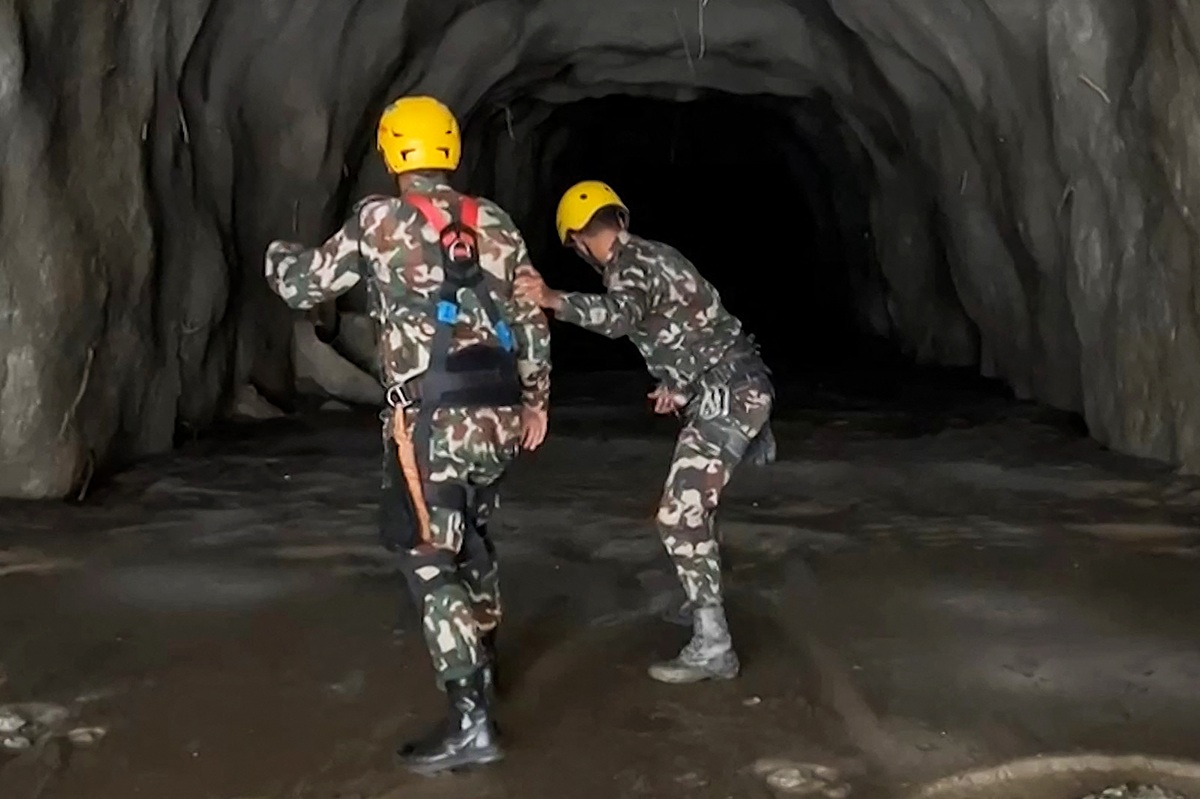
In addition to humanitarian aid, China has dispatched rescue teams to assist operations in the affected areas. “Two Chinese tunnel rescue expert teams have also been sent to the affected regions in Nepal. China has also shared critical information with Nepal, including imagery, satellite data, and hydrological data from the affected areas, as well as early warnings regarding barrier lakes upstream,” he added.
Previously, speculation regarding the cause of the disaster circulated widely on social media. Some netizens suspected that China’s massive hydropower projects in Tibet were linked to the flash floods, which killed nearly 1,000 people in the Nepal and Tibet regions.
The project in question is located on the downstream section of the Yarlung Tsangpo River in Tibet. The infrastructure is designed as five hydropower plants operating in a cascade system. Construction of the project is slated to begin in July 2025 and has drawn attention since its inception due to its massive scale and its location in the upstream area of a river that flows into several parts of South Asia.
However, Brahma Chellaney, an Indian geostrategist and columnist, stated that the disaster was essentially triggered by natural factors and was not directly caused by China’s hydropower projects. Nevertheless, Chellaney assessed that China’s activities in the upstream region and the presence of infrastructure in Tibet have the potential to exacerbate the impact of the disaster when water and landslide materials move downstream.
“In other words, China’s actions upstream did not cause the glacier landslide but contributed to the severity of the disaster and the downstream chain reaction,” he wrote in a social media post.
This statement adds to the debate regarding the factors contributing to the scale of the disaster in the Himalayan region. On one hand, the Chinese government maintains that the primary cause of the disaster was the collapse of glaciers, which triggered landslides and flash floods. On the other hand, several observers question the impact of construction activities and changes in hydrological conditions in the upstream area on downstream regions.
China has reaffirmed its commitment to assisting Nepal in disaster management, including through humanitarian aid, the dispatch of experts, and the exchange of data and information regarding the conditions of the affected areas.